In unpredictable situations, dependable communication systems are vital to maintain safety. Urgent alert systems for elderly, alert systems, and individual protection systems are essential in enabling prompt action during emergencies. This piece explores a range of technologies that support both individuals and communities, with a strong emphasis on senior safety solutions.
Understanding Emergency Communication Devices
During moments of crisis, the capacity to communicate clearly can be a matter of life or death. A range of emergency communication devices are available to close communication gaps, guaranteeing the flow of information even if conventional channels collapse. These instruments appear in various designs, each crafted to endure particular challenges and environments, delivering vital aid when the stakes are extremely high.
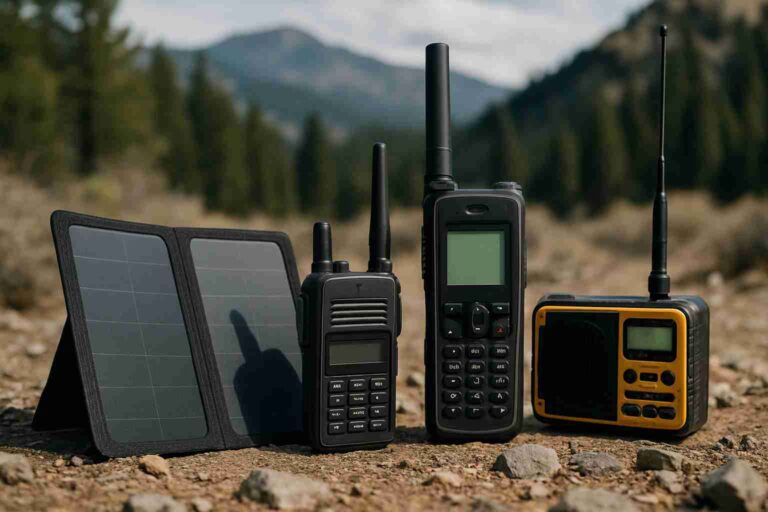
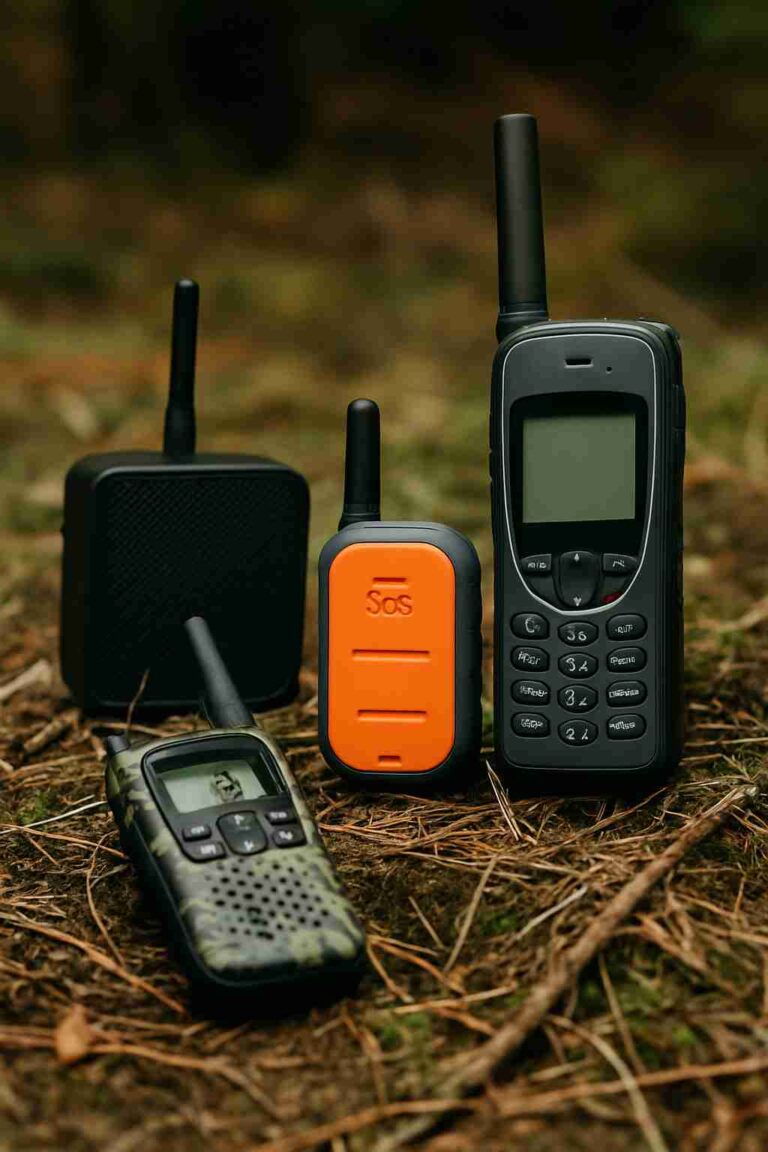
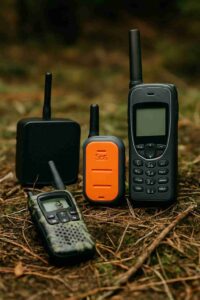
Portable satellite devices play a crucial role in the sphere of emergency messaging technology. They operate by linking directly to satellites orbiting the planet, offering communication lines that circumvent deteriorating terrestrial infrastructures such as cell towers or landlines. Their independence from land-based networks renders them essential in isolated locations or natural disaster situations where local connections have failed. Satellite Emergency Notification Devices (SEND) like Garmin inReach or SPOT Gen4 empower users to transmit distress alerts and precise location data to emergency teams, granting reassurance to travelers and explorers distant from urban areas.
In less isolated circumstances, walkie-talkies or two-way radio systems prove vital. These rely on radio waves to send and receive signals over short ranges and are especially advantageous for team coordination on the ground during events demanding security or organized management, such as major public gatherings. Emergency services frequently use them to keep teams united and convey messages rapidly and effectively when immediate communication is paramount.
Emergency readiness also addresses the home setting. Easy yet impactful solutions like bathroom emergency pull cords found in medical centers or care homes enable people to alert staff promptly with minimal exertion. This feature ensures rapid help in delicate situations where every second can alter the outcome.
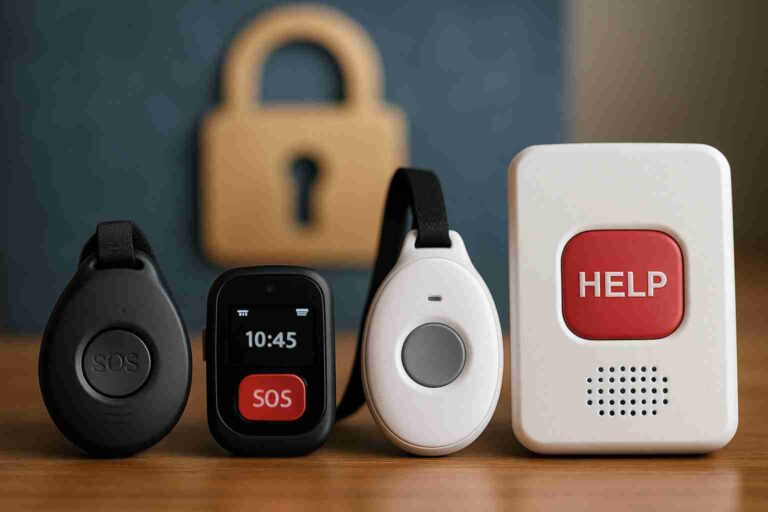
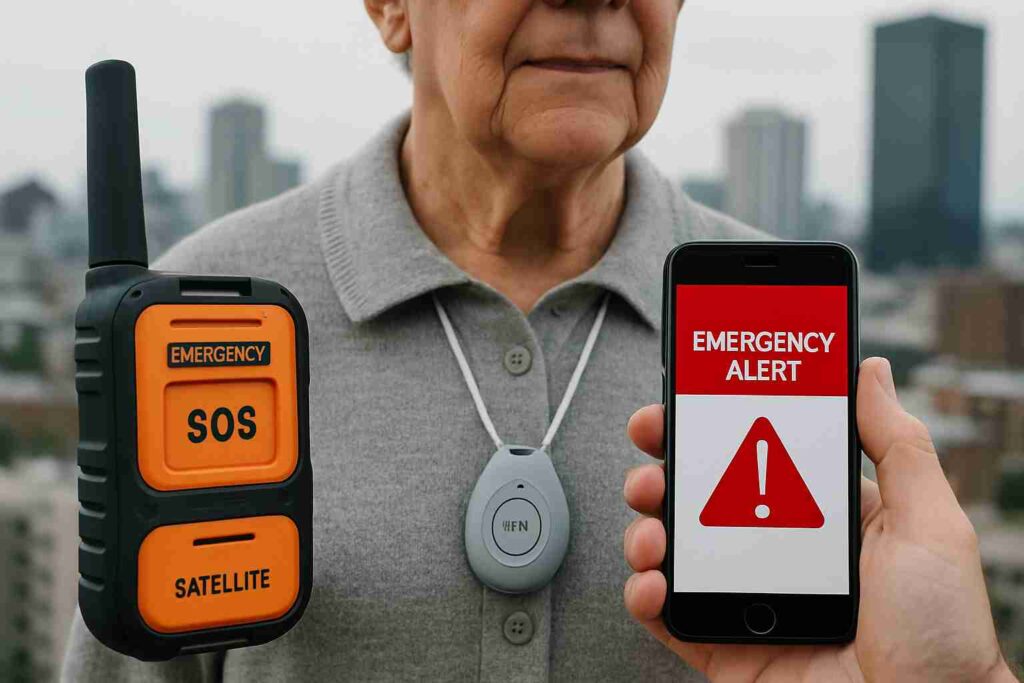
Another notable category is Personal Emergency Response Systems (PERS), designed for seniors or individuals with disabilities living on their own. These solutions commonly include wearable safety devices that alert emergency contacts or services with a simple button push. Leading models incorporate sensors that recognize falls, automatically requesting assistance if the user might be incapable of initiating aid themselves.
Cell networks contribute as well, with specialized applications and functions dedicated to disaster management. For example, many smartphones are now outfitted with emergency SOS capabilities that, once triggered, notify chosen contacts and sometimes share location details. Such tools integrate effortlessly into everyday life, ready to activate instantly.
Continuing innovations drive the progress of smarter and more connected emergency communication devices. Developments like Internet of Things emergency solutions are establishing networks where devices autonomously report issues or crises, orchestrating responses without needing human input. This technologically driven strategy aims to boost the swiftness and effectiveness of emergency interventions.
Although these gadgets are crafted to save lives in critical moments, mastering their use and application remains essential. Users should be well-versed in activating and maintaining these tools to ensure preparedness. Regular testing and drills significantly improve their reliability and performance when urgently needed.
In summary, the field of emergency communication is broad and multifaceted, offering devices tailored to virtually every situation. From the robust durability of satellite devices to the daily convenience of smartphone apps, these tools build a safety framework that guarantees rapid communication during emergencies. As technology advances, these indispensable instruments evolve as well, fostering a safer world for individuals and communities globally.
The Role of Emergency Alert Systems
Critical notification systems play an essential role in safeguarding the public by delivering prompt messages to wide audiences via diverse communication channels. By combining several platforms and technologies, these urgent alert platforms guarantee that vital updates reach people regardless of their location, thereby boosting community preparedness and resilience.
Among the most recognized frameworks is the Emergency Alert System (EAS) operating within the United States. Designed so that the President can address the nation within ten minutes during a federal emergency, it also provides local officials the capability to broadcast warnings about weather or civil incidents. These warnings are disseminated through TV, radio broadcasts, and sometimes cable, securing extensive coverage.
Complementing the EAS, Wireless Emergency Alerts (WEA) supply crucial life-saving notifications straight to mobile phones. These include warnings about imminent dangers such as severe weather, natural calamities, or national disasters. Given the widespread use of smartphones, this system’s geo-targeted notification technology ensures messages only reach those within affected zones, minimizing unnecessary concern.
The AMBER Alert system represents another vital form of alert, designed to rapidly share details about child abductions. This system displays alerts on highway signage, television, radio, and through mobile notifications, empowering the community to assist in locating missing children. Its effectiveness depends heavily on swift message delivery and public vigilance, illustrating how technology combined with community effort enhances safety outcomes.
Increasingly, both local and federal authorities utilize social media platforms as part of their emergency notification solutions. These platforms, where many individuals already engage, help expand outreach considerably. Moreover, social media supports two-way communication, allowing officials to receive immediate disaster updates directly from users during critical events.
The evolution of these systems continues due to integration with novel technology. For example, Next Generation 911 (NG911) will enable people to send texts, images, and videos to emergency responders, significantly improving situational awareness and operational efficiency. Likewise, Internet of Things emergency solutions may automatically alert authorities to hazards such as gas leaks or smoke, facilitating faster responses.
Recognizing the pivotal role of an emergency communication device is vital within this infrastructure. Devices like weather radios and satellite phones offer crucial communication links when conventional systems fail, particularly during natural disasters that disrupt power and cellular networks.
Community education is fundamental for optimizing the effectiveness of critical notification systems. Teaching people what each alert signifies and how to react prevents important information from being ignored. Drills and educational programs within neighborhoods increase awareness and participation when actual emergencies occur.
Ultimately, emergency alert systems form a cornerstone of today’s public safety architecture. Through the strategic use of technology and wide-ranging system integration, these platforms rapidly distribute key information, guiding individuals to safety and reinforcing community resilience. The synergy of solid alert networks, proactive public education, and dependable emergency communication device utilization empowers societies to respond effectively, endure, and recover from crises with greater confidence.
Personal Safety Devices and Their Applications
In the swiftly evolving world we live in, individual protection systems have become indispensable tools for boosting personal security and readiness in situations that may pose danger. These devices cater not only to classic first responders such as firefighters and emergency personnel but also serve the wider population in daily life. By utilizing cutting-edge technology, they monitor, alert, and safeguard users from numerous threats, thereby enhancing safety in a variety of environments.
For example, firefighters depend extensively on Personal Alert Safety Systems (PASS) to improve their protection during missions. Integrated into their safety apparel, PASS equipment is engineered to notify the team if a firefighter is immobilized or facing distress. This advanced technology uses motion detection and manual alarm triggers, emitting a loud, unmistakable alert to facilitate quick rescue and location. Such sophisticated systems can be life-saving, particularly in chaotic conditions where communication and visibility are hindered.
Motorcycle riders benefit from another remarkable instance of personal security technology in the form of airbag vests. Upon sensing an accident, these vests rapidly inflate, providing a protective barrier that lessens injuries to the chest and neck. Featuring sensors that perceive swift shifts in movement, these devices have transformed rider safety by significantly reducing serious injuries and fatalities.
Moving beyond conventional uses, modern innovations like the SPOT Satellite Messenger highlight the broadening scope of personal protection systems. This kind of emergency communication device enables users to send their GPS location, check in, and summon assistance even in remote zones lacking cellular service. Its importance escalates as more hikers, travelers, and explorers venture into isolated areas. Thanks to the growing affordability and reach of satellite technology, protection now extends well beyond the limits of standard mobile networks.
Meanwhile, wearables equipped with GPS tracking, emergency call features, and health sensors are attracting attention from parents, caregivers, and outdoor lovers alike. These devices not only provide reassurance but also deliver swift response options during urgent circumstances. For example, a wristband with fall detection capabilities can instantly alert family members or healthcare providers, speeding up aid to someone in need.
As these individual safety devices advance, artificial intelligence enhances their performance. AI can foresee potential risks by recognizing unusual patterns or anomalies, preventing dangers before they escalate. This is particularly vital in workplace safety across sectors like mining or construction, where wearable sensors monitor vital signs such as heart rate and exposure to hazardous conditions, triggering alerts when critical limits are surpassed.
The connectivity of devices through Internet of Things emergency solutions further boosts their functionality. Picture a emergency communication device worn by a runner that links with streetlights to signal for help, or a wearable gadget that interfaces with home automation to lock doors and notify law enforcement during a security breach. Such possibilities are vast, marking a major leap in comprehensive personal safety methodologies.
Therefore, personal protection devices have evolved from simple add-ons to essential parts of daily existence. With rapid technological progress, these tools will become increasingly intelligent, user-friendly, and adaptable for addressing the complexities of modern-day safety challenges. The future of personal security lies in dependable devices that seamlessly integrate into everyday life, empowering individuals with improved safety and preparedness. Together with public safety initiatives and emergency alert networks, they form a resilient system that promotes safer communities for all.
Leveraging Emergency Notification Systems
In the swiftly changing realm of public protection and crisis readiness, the importance of emergency notification systems is undeniable. These solutions act as crucial lifelines that boost situational awareness by facilitating the prompt distribution of essential information during emergencies. Central to this effectiveness is the flawless integration of applications, governmental procedures, and diverse communication networks.
Embedding emergency notification systems into pre-existing infrastructures marks a significant transition toward reducing public anxiety and enhancing response efforts. Whether alerting communities about imminent natural catastrophes or orchestrating rescue missions amid human-caused incidents, these frameworks serve as the cornerstone of contemporary disaster management.
Various system designs support these notification platforms, each tailored to meet particular circumstances and user demands. From simple mass alert frameworks that send out notifications to all connected gadgets, to advanced geo-targeted notification technology that reaches folks within defined areas, these structures guarantee timely delivery of relevant alerts to the appropriate recipients. Their adaptability further extends to adjusting with evolving communication technologies—a necessity in today’s fast-paced tech environment.
Technology has advanced dramatically with the rise of emergency communication device capable of providing instant access to populations. The fusion of classic alert methods and mobile communication tools supports live communication, fundamentally transforming how urgent information is shared in crises. Consequently, these systems can be implemented across numerous channels—from urban public communication boards to handheld gadgets such as smartphones and tablets.
A pivotal feature of these notification solutions is their capacity to merge with dynamic digital settings. As previously noted, individual safety devices complement these systems by delivering personal alerts and bolstering personal security innovations. Collectively, they compose a holistic safety framework emphasizing the importance of preserving public composure while assuring swift reaction.
Furthermore, deploying these systems within smart city emergency systems signifies a major achievement in their progression. Sensors and IoT-enabled crisis alert systems collaborate to supply real-time data analytics, allowing governmental bodies and first responders to monitor situations fluidly and revise tactics instantly.
As new technologies arise and obsolete systems phase out, emergency notification frameworks are crafted to adjust quickly. This flexibility guarantees that despite technological progress, public safety remains intact. The ongoing refinement of these platforms reflects a dedication to utilizing every resource to safeguard and inform communities efficiently.
Ultimately, emergency notification systems demonstrate how technological advancements are harnessed for public benefit. The transition from analog to digital empowers these frameworks to overcome physical limits, ensuring critical warnings and guidance reach affected groups quickly and reliably. Looking ahead to future innovations in digital emergency communication apps, it’s clear that the synergy between technology and safety is vital for sustaining public protection and preparedness.
Innovations in Emergency Communication Apps
In the current digital era, emergency communication apps have become essential resources for promoting readiness and safety. These groundbreaking applications convert smartphones and tablets into vital portals that deliver critical updates and link users to emergency responders, thereby boosting individual and collective security. Let’s explore the features and influence of these apps, especially how they mesh with existing telecommunication infrastructure and leverage state-of-the-art technologies to uphold safety in today’s environments.
A prime illustration in this domain is the app by RapidSOS, showcasing digital technology’s supportive role in emergency response. By integrating directly with 911 telecommunication frameworks, RapidSOS supplies first responders with vital information in real time. This connection bridges conventional emergency networks with the swiftly evolving world of smart tech. By sharing exact location coordinates, medical data, and crash details, RapidSOS facilitates quicker, more informed intervention by emergency personnel.
The importance of real-time data cannot be overstated when considering the effectiveness of these apps. When emergencies arise, every second matters, and transmitting live data guarantees responders access to the latest, most pertinent details. This feature is especially critical during natural calamities, where situations shift rapidly. Apps like RapidSOS gather and forward this data, enabling a flexible, adaptive method for managing crises.
In building emergency communication apps, having user-friendly interfaces is crucial. Crisis moments require that users can operate apps swiftly and simply. Designs that are straightforward and focus on core tasks—like sending alerts or sharing locations—can drastically influence emergency outcomes. Developers aim to create interfaces that remove complexity and hesitation, allowing users under pressure to act promptly.
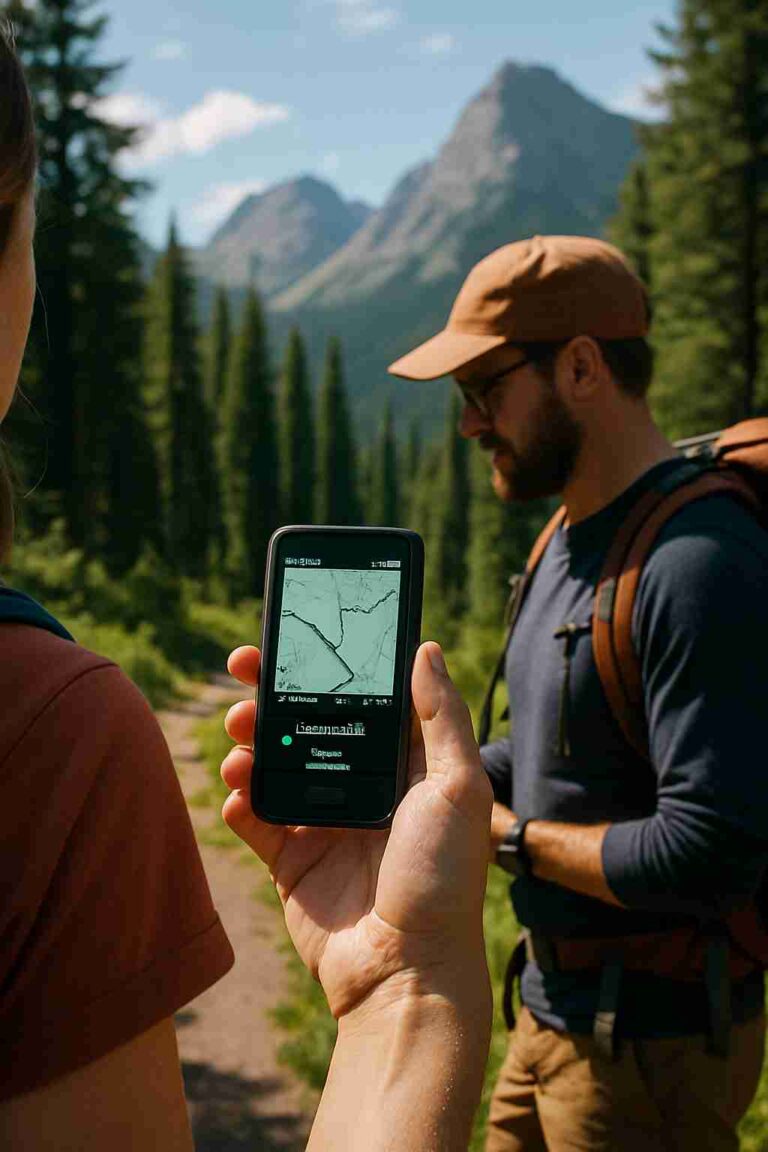
GPS technology also serves as a fundamental element of efficient emergency communication apps. Utilizing satellite navigation systems, these apps permit users to transmit their precise location to responders with remarkable accuracy. This is particularly helpful in isolated or crowded regions where traditional location identification might fail. Thanks to GPS, even if individuals cannot clearly state their whereabouts, responders can quickly pinpoint and respond accordingly.
Additionally, emergency communication apps have evolved by incorporating extra safety features that enhance their practical value. For instance, some now include automated alerts triggered by specific behaviors, such as sudden stops while driving, hinting at possible accidents. These real-time push alerts prove invaluable not just for those at risk but for wider communities requiring prompt updates on local hazards or incidents.
Moreover, public safety efforts make use of these apps to distribute information during large-scale emergencies, fostering widespread awareness and unity. By collaborating with local officials and sharing updates on unfolding events, these platforms function as reliable channels for safety communication—an indispensable service in an age where misinformation can rapidly escalate panic.
The significance of emergency communication apps in both personal and public safety is immense. Their seamless integration with existing infrastructure, coupled with the use of real-time data, intuitive interfaces, and GPS capabilities, ensures help is always readily accessible. As technology advances further, these apps’ potential will undoubtedly grow, ushering in more refined methods for emergency readiness and response. Employing an emergency communication device guarantees individuals a concrete connection to safety resources, reinforcing technology’s crucial role in modern security solutions. Whether accessed through a smartphone app or an emergency communication device, these tools greatly enhance preparedness and protection in an increasingly uncertain world.
Emergency Communication Devices for Seniors
Given their particular vulnerabilities, seniors need reliable and easy-to-access senior emergency communication tools during critical situations. Thus, specialized emergency communication devices like medical alarms and Life Alert systems have become indispensable aids tailored to their distinct requirements. Not only do these devices serve as literal lifelines, but they also significantly improve the elderly’s quality of life by ensuring protection and offering peace of mind to both seniors and their loved ones.
One vital feature of these tools is their intuitive design. Since seniors may experience issues such as impaired vision, hearing loss, or limited dexterity, it is crucial that these accessible safety devices for senior citizens are simple to operate. Features like large buttons, clear displays, and audible instructions help make these gadgets user-friendly. This ease of use empowers older adults to utilize the technology confidently and independently without frustration.
Another notable breakthrough in emergency communication devices is the integration of fall detection technology. Since falls represent one of the greatest risks to senior well-being and often cause severe injuries, automated fall detection systems employ sensors and algorithms to identify sudden movements or changes in position indicative of a fall. Upon detection, the device can immediately notify emergency responders or preselected contacts, facilitating a swift reaction without requiring any action from the senior. This capability is essential for minimizing response time and reducing injury severity.
Additionally, many of these gadgets come equipped with extra features such as medication reminders, which are increasingly important as seniors frequently manage multiple prescriptions with strict dosage schedules. Automated alerts assist seniors in remembering to take their medications promptly, supporting their health and avoiding complications from skipped doses.
Thanks to these innovations, technology not only boosts the safety of older adults but also enhances their overall wellness. With the aging population steadily increasing, the necessity for dependable and advanced senior safety communication equipment will rise. Manufacturers must continuously evolve, concentrating on enhancing device accuracy, ensuring smooth smart home integration for senior protection, and keeping prices affordable to maintain accessibility.
This effortless embedding of technology into seniors’ everyday lives marks a major progression toward more tailored and responsive care. By meeting the specific needs of the elderly, emergency communication systems have transformed from reactive tools into proactive partners that back every facet of senior living, ultimately promoting a safer, healthier, and more satisfying existence for the aging community.
Conclusions
Our capability to respond swiftly and effectively to crises is greatly improved by urgent alert systems for elderly and personal security technology. When utilizing crisis communication systems in alert and notification platforms, both individuals and communities find themselves more prepared to handle emergency situations. As advancements evolve, these senior safety communication equipment and personal risk management technology will grow increasingly essential in protecting lives, enhancing resilient emergency response, and fostering peace of mind for people of all ages.