In remote locations, maintaining wireless communication tools is vital for both security and ease. Thanks to technological progress, a variety of telecommunication devices now provide dependable network access in remote locations, even in the most secluded spots. This piece delves into top communication solutions—from satellite cellular technology to mobile communication devices—crafted to guarantee you’re always within reach.
Understanding Satellite Communication for Outdoor Activities
Outdoor enthusiasts have seen a revolution in how they stay connected in hard-to-reach areas thanks to satellite communication devices. Serving as a dependable lifeline, these offsite communication gadgets guarantee network access in remote locations when conventional cellular networks are unavailable. To truly value their incredible capacity to provide coverage in isolated environments, it helps to grasp the principles behind satellite mobile communication.
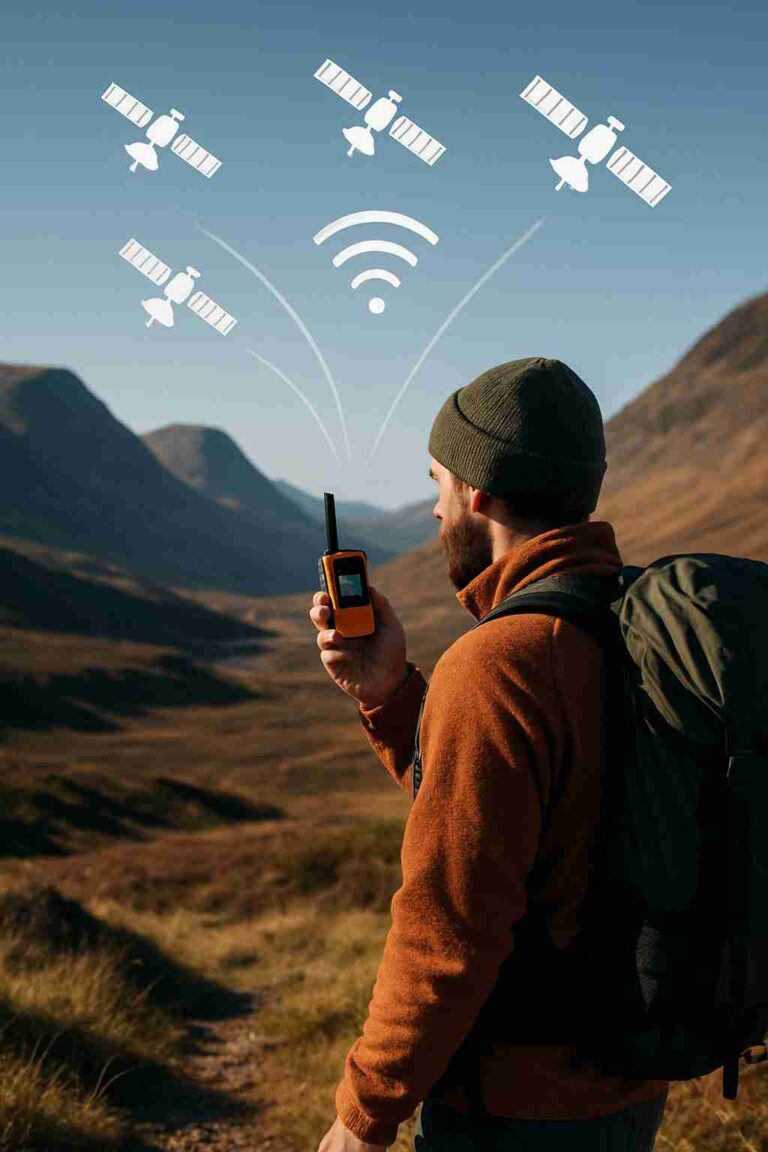
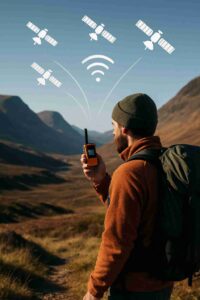
At the heart of satellite communication systems lies a constellation of orbiting satellites that transmit signals from your device to a ground station linked to the telephone network. Unlike cellular phones, which depend on terrestrial towers for coverage, satellite phones communicate directly with satellites, offering worldwide connectivity. This capability is essential for adventurers trekking through unexplored regions, climbers ascending remote summits, or sailors maneuvering across expansive seas.
The best communication gear for remote areas frequently features satellite phones due to their unmatched reach. While standard phones lose signal in areas without cellular towers, satellite phones stand as steadfast allies. Whether traversing the dense Amazon rainforest or the vast Sahara desert, satellite phones maintain your connection.
These portable communication systems extend far beyond basic conversation. Many are equipped with GPS tracking via satellite phone, allowing users to precisely identify their location. Such functionality proves vital for those venturing off conventional paths. In emergency situations, this technology enables rescuers to quickly find and assist adventurers.
Moreover, rugged satellite phones for outdoor use provide essential durability. Engineered to endure severe conditions, these devices are often water-resistant and shockproof, ensuring operation in demanding environments. This tough construction caters to users who require dependable tools in extreme scenarios.
Emergency satellite communication devices also set satellite phones apart. Numerous models include SOS buttons that let users transmit their coordinates to emergency responders instantly. This functionality offers reassurance, knowing that support is accessible even in critical moments.
For anyone on the lookout for best communication gear for remote areas, satellite technology’s ability to maintain network access in remote locations is indispensable. As you prepare for your next outdoor expedition, think about how satellite communication solutions for adventure activities can boost safety and connectivity in the planet’s most isolated regions.
Reliable Communication Gear for Off-Grid Adventures
Venturing into off-grid areas demands dependable remote communication technology. As explorers journey away from urban hubs into secluded zones, having strong and consistent connectivity becomes critical. The field of best communication gear for remote areas includes numerous gadgets engineered to endure the rigors of nature while keeping you securely linked.
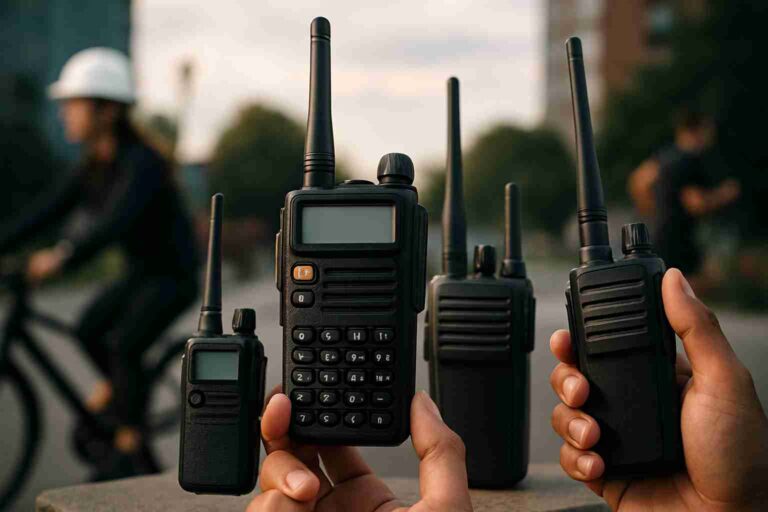
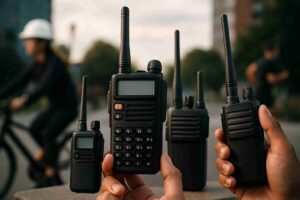
Among the choices, rugged portable radios stand out as essential, valued for their resilience and ease of use. When cellular networks fail, these units provide direct point-to-point contact by bypassing conventional systems. Contemporary versions highlight superior walkie-talkie battery endurance, adapting to extended expeditions and preventing power shortages from leaving users isolated. Several models now support solar-based radio power chargers, promoting environmentally friendly ways to recharge.
The distance communication equipment’s coverage is equally crucial. Opting for radios built for mountain walkie-talkie communication distance enables transmission over broad expanses, letting users maintain contact across challenging landscapes. Makers committed to off-grid reliability supply devices that preserve strong signals through forests, mountains, and adverse weather conditions. Their construction emphasizes resistance to water, dust, and shock, assuring performance amidst nature’s trials.
These standalone communication devices also impress with their ability to merge with current tech. Some robust two-way radios come equipped with GPS-enabled walkie-talkie features, offering both position tracking and navigation alongside communication. This fusion ensures users remain connected and oriented in vast wilderness areas.
Durability forms the foundation of any autonomous communication system. These gadgets undergo rigorous testing for drops, immersion, and temperature extremes to confirm they withstand severe environments without malfunction. Choosing models certified with MIL-STD-810 or IP67-rated waterproof communication devices guarantees military-grade toughness.
Technological progress has introduced combined digital radio networks that integrate traditional radio frequencies with digital infrastructures. Such hybrid digital radio platforms allow switching between modes, delivering optimal range whether tucked into forest depths or approaching city edges.
Equipping yourself with the best communication gear for remote areas for off-grid trips creates a vital link back to civilization and among expedition members. Whether trekking dense wilderness or scaling high peaks, having sturdy, trustworthy tools is indispensable. Grasping the details—from walkie-talkie battery endurance and coverage for mountain areas to environmental resilience—lets adventurers explore the loneliest regions assuredly, staying connected to the wider world.
Top Walkie-Talkies for Remote Locations
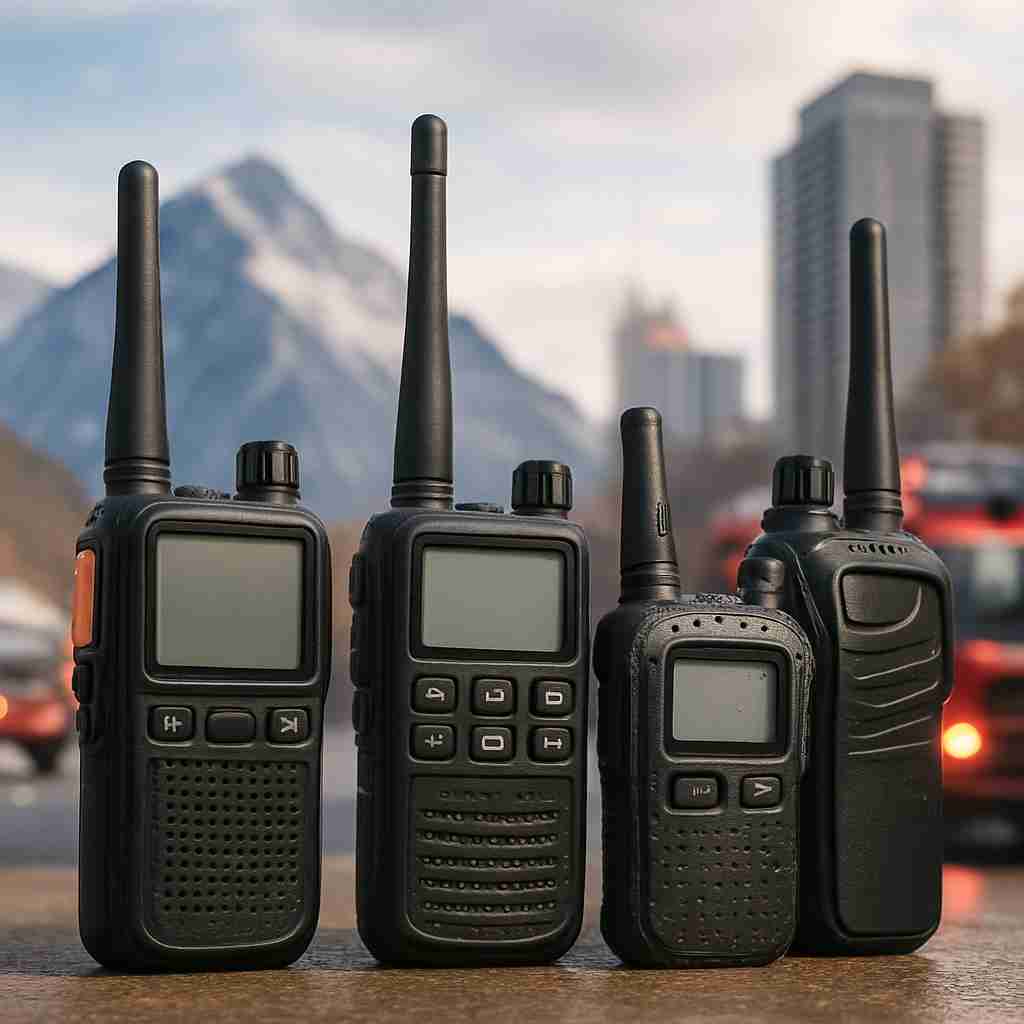
For maintaining reliable network access in remote locations, walkie-talkies continue to be an indispensable component, providing steady connectivity where conventional networks fail. Their importance lies especially in sustaining communication across various terrains, from thick forests to vast desert expanses. When selecting the top models, critical aspects like communication distance, ruggedness, and user-friendliness come into play. Though high-powered units deliver longer ranges, they often necessitate licensing — so checking local laws beforehand is essential to avoid any legal issues.
Devices offering extended communication distances prove indispensable in regions with challenging landscapes. Under ideal conditions, some walkie-talkies can transmit signals up to 35 miles. Still, real environment variables like terrain and weather significantly affect actual performance. In hilly or mountainous settings, stronger units tend to perform better due to their enhanced ability to bypass natural obstructions.
For equipment designed to endure tough environments, sturdiness is non-negotiable. Opt for models with weather-resistant walkie-talkies features to ensure reliable operation despite exposure to harsh conditions. Many contemporary units come with either water-resistant or fully waterproof designs, which are vital for outdoor excursions or unfavorable weather scenarios.
Another major factor is ease of use. Devices equipped with intuitive controls and easy-to-read displays prove invaluable, especially in emergencies or high-pressure moments. Features such as oversized buttons operable while wearing gloves and backlit screens for low-light environments significantly enhance usability.
Critical communication equipment often incorporates functionalities like emergency band portable radios and weather alert notifications. Emergency channels offer a vital lifeline for requesting assistance, while weather alerts keep users updated on incoming storms or sudden meteorological shifts. These aspects are crucial for safety planning during outdoor adventures.
Walkie-talkie power duration and range are tightly linked, as extended transmission distances typically demand increased energy, which can quickly exhaust batteries. Several models include rechargeable or replaceable batteries, enabling users to carry extras for prolonged trips. Solar radio battery chargers can also be highly advantageous during extended stays away from traditional power sources.
Certain advanced units provide Bluetooth connectivity, allowing pairing with smartphones to unlock additional capabilities like location sharing and messaging. Although such features are helpful, they generally suit users who already rely on smartphones as part of their offsite communication gadgets.
Taking all these elements into account, selecting the ideal walkie-talkie involves balancing environmental demands with practical attributes. Examples like the Midland GXT1000VP4, renowned for its sturdy construction and priority channel walkie-talkies function, or the Garmin Rino 750, which merges GPS technology with classic radio features, serve as excellent options for those venturing into remote zones.
By carefully considering terrain compatibility, regulatory adherence, functional features, and power management, users can choose walkie-talkies that not only complement their outdoor lifestyles but also guarantee safe and consistent connectivity, regardless of where their excursions lead. For those interested in the best communication gear for remote areas, aligning these capabilities with personal requirements is vital to sustaining a reliable lifeline back to civilization while off the grid.
Emergency Devices for Remote Communication
In critical situations, possessing the proper emergency communication tools is vital for ensuring survival and rapid rescue. When you find yourself off the grid, conventional communication methods often become unreliable, making dedicated remote communication devices a necessary investment. Among these, personal locator beacons (PLBs) and satellite messaging systems have proven indispensable for explorers and those working in secluded environments.
Personal locator beacons are compact and crafted for a single task: transmitting a distress alert. Once activated, a PLB sends a unique signal through satellites, offering rescuers your exact GPS position. This message reaches worldwide search and rescue (SAR) teams, guaranteeing a robust response regardless of where you are. Their primary strength is simplicity and dependability; they function independently of cellular networks and endure severe weather, crucial when in regions lacking standard communication coverage.
Meanwhile, satellite emergency communication systems offer similar life-saving functions along with extra features. SENDs not only enable distress signaling but also provide two-way communication, allowing text messages and scheduled check-ins with loved ones. This enhanced capability gives more detailed updates about your status during emergencies. Devices like Garmin inReach and SPOT X have led innovation in this realm, delivering reliable connections to SAR responders.
Choosing the right communication equipment for remote regions requires careful thought. Battery capacity is paramount since you’ll need your gadget to operate throughout extended crises. Some units boast standby operation lasting days or even weeks, maintaining your link during prolonged emergencies. Signal power and GPS precision also matter greatly, influencing how swiftly rescue teams can locate you.
Durability is another critical aspect when selecting these gadgets, as they must endure tough conditions. Seek out waterproof and shockproof designs that guarantee functionality under adverse circumstances. User-friendly operation in high-stress moments is equally important—intuitive controls and straightforward activation can make a crucial difference when every second counts.
Especially when trekking through remote wilderness or facing harsh climates, pairing a PLB with a SEND might be a strategic approach. Using a PLB as a backup and a SEND for regular check-ins and broader communication covers multiple needs. This redundancy often maximizes your chances of receiving timely aid, no matter the emergency’s nature or severity.
Access to the best communication gear for remote areas significantly enhances survival odds in urgent scenarios. With technological advancements, newer and more efficient emergency communication tools are becoming more affordable, enabling more people to safely explore and operate in isolated regions. These innovations ensure that no adventure has to end in loneliness or fear, thanks to the evolving power of these life-saving communication devices.
Portable Satellite Communication Systems
Portable satellite communication systems have transformed the way we remain connected in the great outdoors. Bridging the divide between solitude and connectivity, these sophisticated setups serve as a vital communication link in areas where traditional networks simply don’t reach. Offering internet access alongside data communication capabilities, these devices are sturdy instruments tailored for anyone journeying into remote locations for either leisure or work.
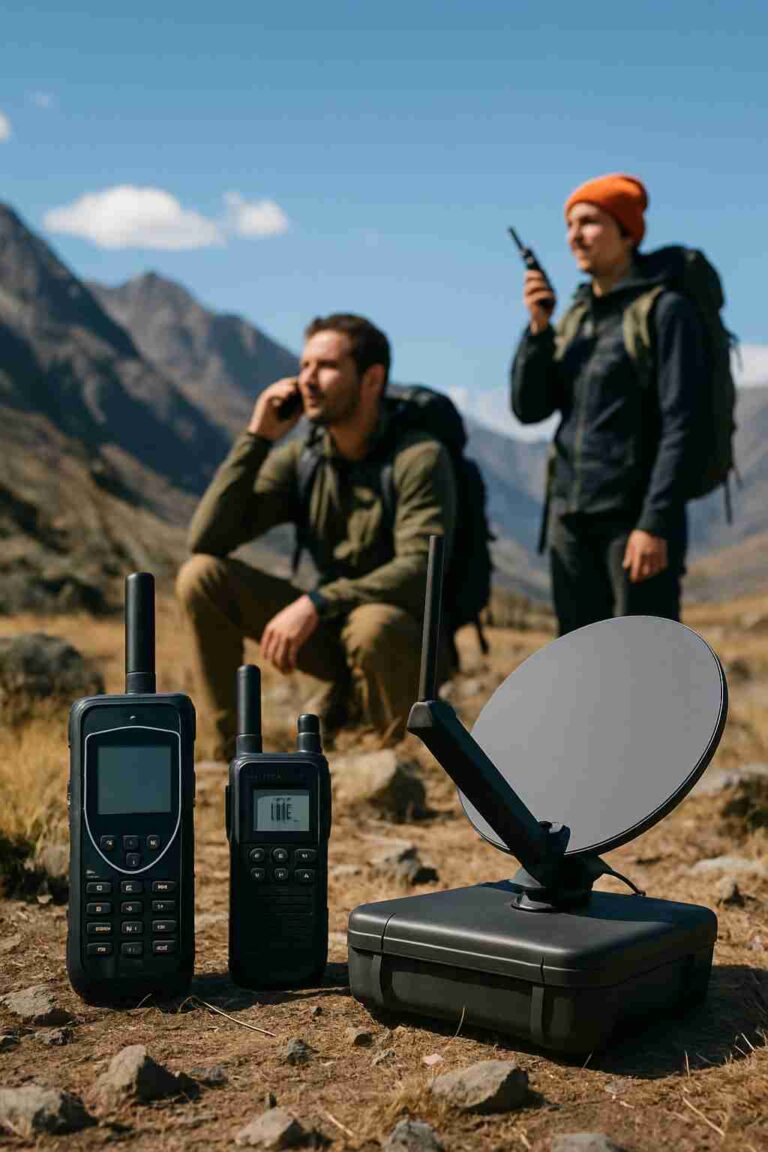
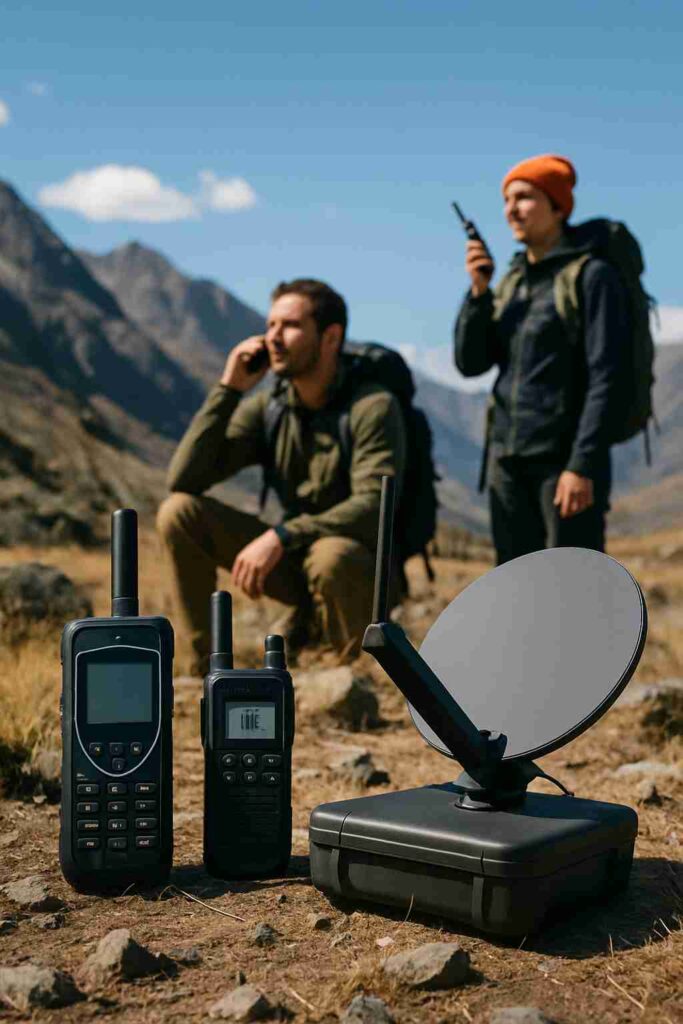
Typically, a portable satellite communication system includes a compact satellite phone or terminal paired with a resilient antenna designed to sustain a consistent connection with satellites orbiting Earth. These tools provide an array of services such as voice calls, messaging, and high-speed internet, ensuring connectivity in even the most isolated spots. Thanks to their lightweight and portable design, these communication systems are perfect for backpackers crossing mountain trails as well as professionals managing complex operations in secluded environments.
For individuals, portable satellite communication devices offer reassurance especially in zones with no cell towers. Travelers can keep in touch with family or receive up-to-date weather forecasts and navigation assistance, which are often crucial for safe route planning. On the other hand, companies utilize these systems to uphold operational productivity; teams on oil rigs or research stations rely on trustworthy satellite connections to transfer data, coordinate activities, and safeguard personnel.
Adaptability defines these devices, serving the varied requirements of solitary travelers or vast industrial teams. Numerous systems connect to laptops or other gadgets, turning them into communication hubs in areas where network access is limited. Users can share multimedia, hold video calls, and even stream content efficiently through satellite links.
The scope of portable satellite communication extends beyond simple messaging. Integrating GPS functions, these systems enhance navigation and location tracking, improving safety and coordination during outdoor adventures or rescue missions in difficult terrains. Moreover, their ruggedness proves indispensable in disaster-prone zones, maintaining uninterrupted communication when land-based infrastructure fails.
Key qualities distinguishing top-tier communication equipment for isolated areas include connectivity options, battery longevity, and user-friendliness. Advanced models feature batteries that last multiple days without recharge—a vital aspect when power is scarce. Intuitive interfaces aid users unfamiliar with satellite technology, while sturdy casings shield devices from harsh weather and rough handling.
As we progress into an era dominated by nonstop connectivity, portable satellite communication systems remain crucial assets for adventurers and professionals alike. Anyone venturing off the grid can depend on this state-of-the-art technology to stay connected, regardless of how remote the destination. Check out these best communication gear for remote areas—essential companions whether you’re pushing into new frontiers or managing critical operations far from urban centers.
Conclusions
Ensuring you select the ideal wireless communication tools for offsite and outdoor use guarantees you stay connected, even in the most secluded spots. By familiarizing yourself with the attributes and uses of satellite communication systems, walkie-talkies, and crisis communication systems, you can choose wisely. These technologies not only improve safety but also offer reassurance, making them indispensable for any adventurer or professional operating off-grid.