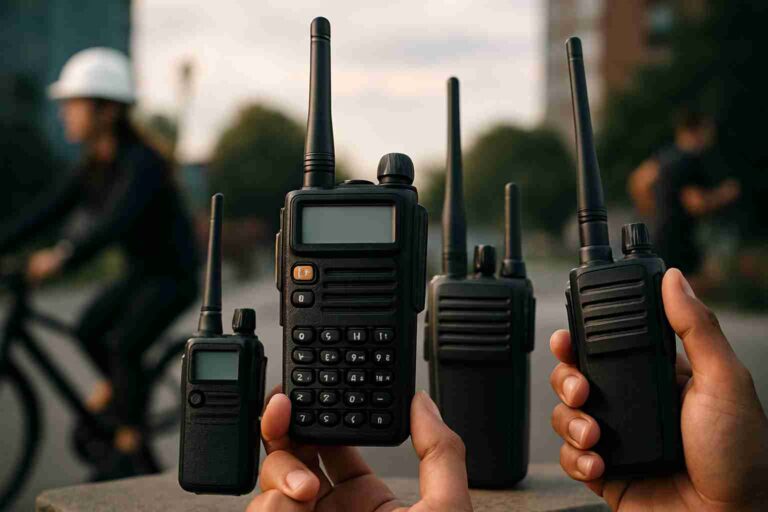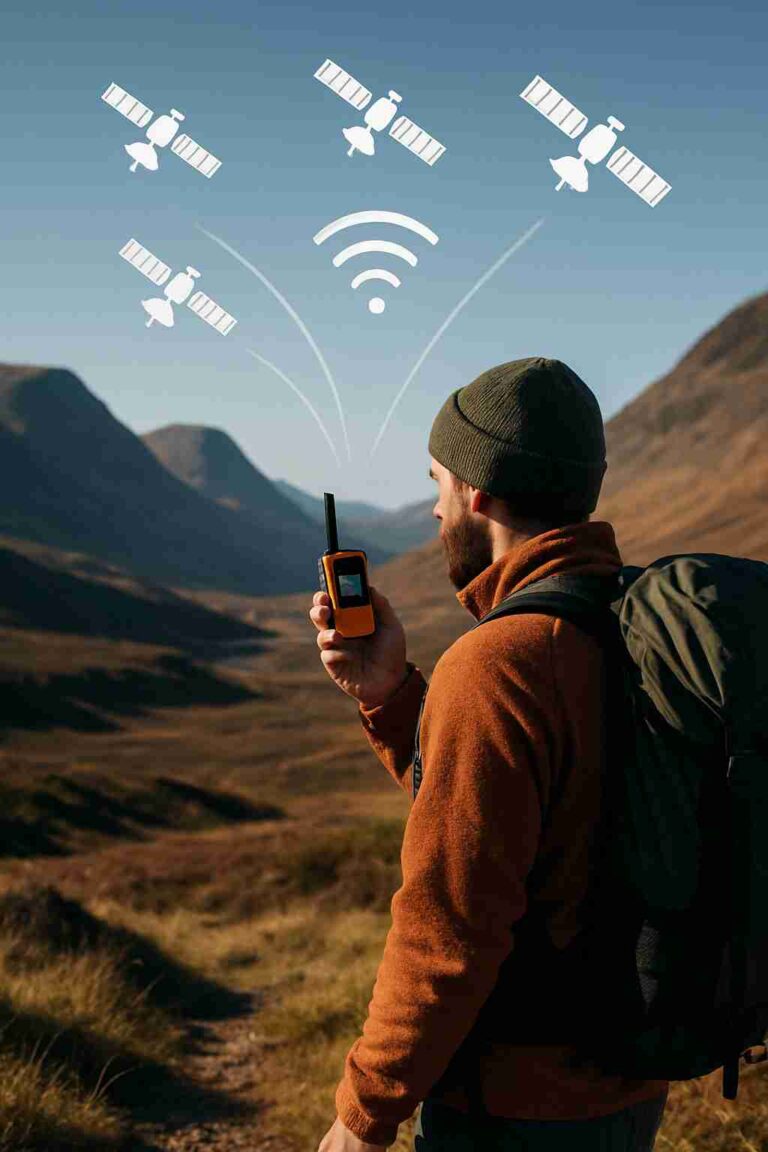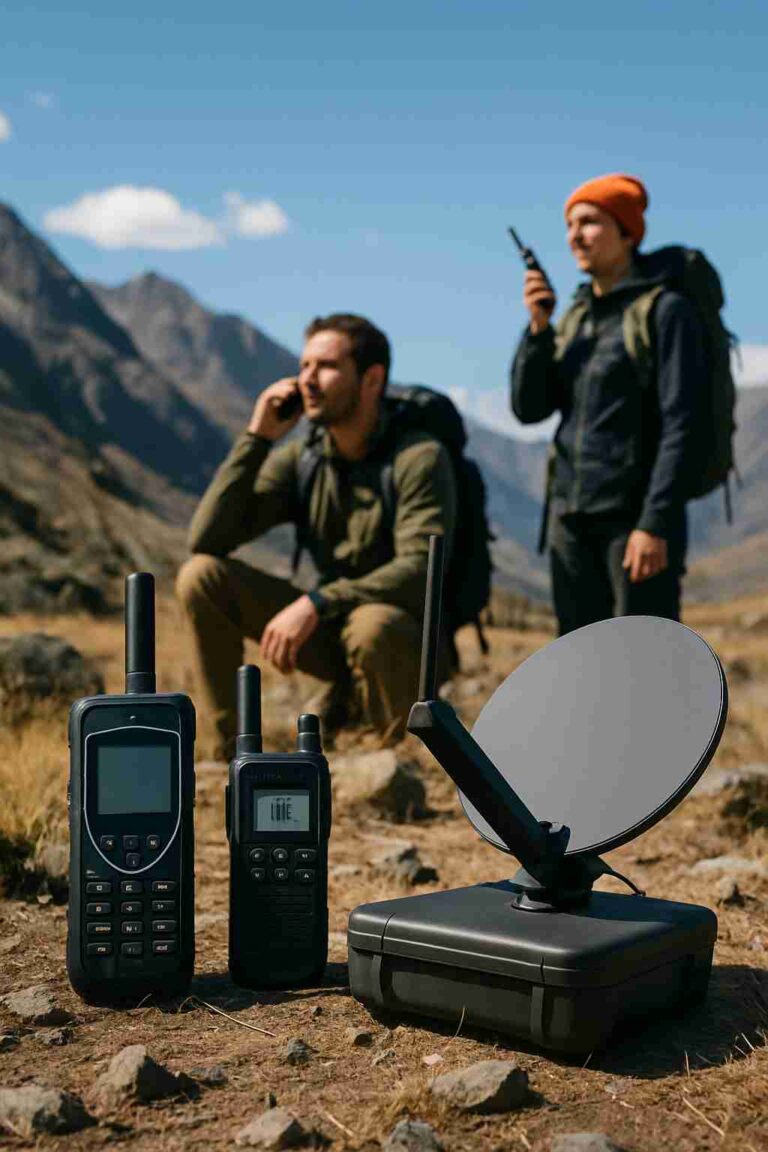

Meshtastic devices deliver an innovative approach to autonomous communication equipment. Utilizing LoRa wireless mesh communication technology along with satellite tracking in remote locations, these devices enable distributed communication networks that don’t rely on conventional infrastructure. Ideal for isolated environments, urgent situations, or adventurous explorers, Meshtastic gear offers a dependable method for maintaining contact when standard networks are out of reach.
Understanding Meshtastic and LoRa Mesh Networks
Meshtastic has established itself by harnessing the power of LoRa technology to offer seamless autonomous connectivity solutions outside traditional networks. Long Range, or LoRa, forms the backbone enabling devices to communicate over vast distances without depending on cellular or Wi-Fi systems. This underpins Meshtastic’s essential function in enabling communication where conventional networks simply cannot reach.
LoRa functions by exploiting sub-gigahertz radio frequency bands, providing several crucial benefits. Chief among them is the low interference these frequencies experience with other electronics, allowing for cleaner signal transmissions. Additionally, they facilitate long-distance communication while preserving power efficiency—vital for battery-operated tools used in isolated areas. This makes LoRa especially suited for scenarios with limited power availability.
Meshtastic devices leverage the intrinsic advantages of LoRa technology through the implementation of a mesh network communication protocol. This means devices can connect directly and simultaneously forward data via alternative routes. Such a design creates a resilient, self-regulating mesh network where each node contributes by dynamically rerouting information if one path is disrupted, supporting reliable communication throughout. This connectivity structure resembles a flexible web, vastly extending communication coverage beyond what individual devices achieve alone.
By nature, mesh networks provide both adaptability and scalability. For instance, adding more nodes is effortless, allowing the network to grow and continue delivering stable coverage, even over challenging landscapes. This versatility proves indispensable in contexts ranging from extreme expeditions to disaster relief operations, where traditional infrastructure may be unavailable.
A key strength of the Meshtastic platform lies in its capacity to effectively empower distributed communication networks. Unlike conventional, infrastructure-heavy communication methods, a LoRa wireless mesh system flourishes with minimal configuration. This facet is critical for improving connectivity in remote and rural regions, opening access to communication for underserved communities.
Furthermore, the inherently low energy demands of LoRa technology align well with eco-friendly approaches. Reduced power consumption means these networks can function long-term on typical batteries or renewable energy sources, helping to minimize environmental footprints.
Ultimately, Meshtastic and LoRa mesh network systems offer a robust communication alternative tailored for environments where standard connectivity isn’t feasible. Through innovations like the Meshtastic GPS solution, users gain not just adaptability but also spatial awareness, boosting the real-world utility of these technologies. As we progress to explore the full feature set, the next chapter will highlight how integrating GPS tracking deepens the practical capabilities of Meshtastic networks. With dependable tracking solutions such as the Meshtastic GPS solution, both adventurers and emergency personnel can enhance safety and coordination during outdoor operations.
The Role of GPS Tracking in Meshtastic Networks
Integrating GPS tracking into Meshtastic networks represents a major upgrade, especially for users operating where traditional internet connectivity is unavailable. By combining the power of LoRa mesh connectivity platforms with GPS, these systems provide robust tools for real-time position sharing — a feature crucial across many situations, including wilderness expeditions and urgent response missions.
When cellular signals are weak or nonexistent, real-time GPS data access shifts from a mere convenience to a vital aspect for safety and coordination. Through the Meshtastic GPS solution, participants can accurately locate themselves and broadcast their position to others within the network. Consider hikers deep in remote mountain terrain: cellular coverage might be absent, but with GPS tracking embedded, the group can stay connected, tracking each member’s location and ensuring collective safety.
Emergency teams face intensified risks when communication infrastructure is compromised or destroyed. In these critical moments, GPS tracking along with Meshtastic networks lays the foundation for efficient coordination. During natural disasters, responders depend on precise, current location information. Using devices like the Meshtastic GPS solution, they can synchronize movements, exchange route data, and focus on priority zones needing assistance.
The capability for dynamic location sharing over Meshtastic networks goes beyond pure innovation; it revolutionizes situational awareness in isolated or disaster-affected areas. Without this vital communication, coordination falters and the risk of errors climbs sharply. This technology transforms zones previously deemed dangerous due to lack of communication into spaces where teams can operate securely and cohesively.
By enabling location tracking, Meshtastic networks enhance both the durability and utility of their mesh framework. This advancement not only safeguards individuals immediately but also streamlines operational logistics during extended missions in difficult terrains. The scope of benefits from GPS use spans from boosting personal safety on remote trails to facilitating complex emergency interventions. Choosing such intelligent solutions enables those venturing beyond conventional networks or into volatile settings to enjoy reliable connection and seamless collaboration at their disposal.
Building a Decentralized Mesh Network
Within the scope of distributed communication systems, Meshtastic devices present an intriguing opportunity for dynamic, community-led connectivity that operates without depending on conventional centralized frameworks. These devices utilize the unique strengths of LoRa-based mesh networking solutions to build robust and adaptable communication networks, perfectly suited for a variety of scenarios and requirements.
The strength of distributed communication systems comes from their very design. Without depending on a central hub, communication responsibilities are spread across multiple devices, removing any single failure point. This structural approach not only boosts the network’s durability but also signifies a move toward a fairer allocation of communication control where communities manage their own networks.
Central to creating such networks are Meshtastic devices, known for their small, flexible form factor. They empower both individuals and groups to set up private communication channels that remain functional even when typical infrastructures like cellular towers or internet connections fail or are unavailable. These networks can cover extensive territories, linking users via broad-range connection solutions that overcome the physical obstructions which often hinder standard communication methods.
A tangible example of these networks in action is seen in rural networking solutions. In regions without dependable internet access, Meshtastic devices can forge a persistent communication mesh, allowing residents, farms, and local enterprises to interact smoothly. This connectivity acts as a backbone for sharing instant information, coordinating agricultural efforts, or efficiently managing community assets, thus fostering socio-economic progress in isolated locales.
The importance of such peer-to-peer communication platforms becomes vital during disaster events. When calamities damage infrastructure, traditional communication lines often collapse. At this juncture, Meshtastic devices fill the gap by enabling effective coordination among emergency response teams and affected populations, facilitating the exchange of critical data like evacuation plans, supply distribution points, and medical aid requests. Thanks to their distributed nature, the network can self-heal and maintain links even if some nodes fail.
For outdoor enthusiasts including hikers and campers, Meshtastic devices offer distinct advantages. In remote locations beyond cellular coverage, these tools enable groups to maintain contact by sharing locations and messages, greatly enhancing safety and coordination during adventures. Picture a squad of cyclists navigating mountain trails, each outfitted with a Meshtastic GPS solution that allows real-time position sharing. This feature not only improves group coordination but also functions as a safety mechanism, providing swift assistance if any rider encounters trouble.
A Meshtastic GPS solution adds further value by integrating GPS capabilities, extending the potential of decentralized networks to include accurate location tracking—an essential feature in vast or rugged settings typical of off-grid areas. This ability proves invaluable for emergency operations or any situation where precise location data improves operational outcomes.
In conclusion, Meshtastic devices exemplify the promise of decentralized mesh connectivity. They foster not only resilient, self-sufficient communication infrastructures but also empower communities to develop tailored solutions addressing their unique challenges—be it in development projects, emergency scenarios, or recreational activities. With their flexibility and ease of use, these networks pave the way for more robust, equitable communication models, redefining how connectivity is perceived in a changing world.
Advantages of Off-Grid Communication with Meshtastic
The Meshtastic GPS solution introduces a fresh method for autonomous communication equipment that prioritizes affordability, adaptability, and simple setup. Harnessing LoRa wireless mesh communication technology, these gadgets offer an effective way to link users in isolated regions or scenarios where conventional infrastructure is either missing or unreliable. When compared to traditional communication frameworks, Meshtastic devices excel not only in cost reduction but also in energy efficiency, thanks to the low consumption properties of LoRa technology.
Affordability stands out as a key merit of Meshtastic devices. Conventional communication systems typically demand costly infrastructure and continual upkeep expenses. On the other hand, Meshtastic presents a budget-friendly option by employing low-cost hardware and open-source software, dramatically lowering the financial hurdles for accessing dependable communication—especially advantageous for communities in developing areas or users on tight budgets.
Another notable strength of Meshtastic devices is their versatility. Easily configurable to diverse settings, these systems can be deployed swiftly without requiring extensive infrastructure. This quality proves invaluable in difficult landscapes such as thick forests or mountainous zones, where cable installation or satellite links pose challenges. Additionally, Meshtastic nodes can be expanded and tailored to match particular communication needs, empowering users to shape their networks accordingly.
Deployment is also effortless, demanding minimal technical know-how. This simplicity is vital in crises like natural disasters, where speed in establishing communication is crucial. Volunteers and first responders alike can set up a local communication network promptly, improving coordination and response without relying on external infrastructure support.
From an ecological perspective, Meshtastic devices stand out due to their energy-efficient wide area network design, inherent to LoRa technology. Unlike standard communication tools that require constant power, these devices can operate on minimal energy—often lasting years on a single battery. This attribute not only curtails environmental impact but also guarantees communication continuity in remote or energy-limited locations.
Practical applications of Meshtastic devices highlight these advantages well. For example, in rural communities lacking internet access, these tools allow localized communication networks that support everything from emergency alerts to shared internet resources. Likewise, outdoor enthusiasts and trekkers benefit from the Meshtastic GPS solution, which offers live location tracking and messaging features without the need for cellular coverage, boosting safety and connectivity during excursions.
Furthermore, during disaster relief operations, Meshtastic devices become essential communication apparatus when standard networks fail. Relief teams depend on these networks to organize tasks, exchange critical information, and manage logistics while maintaining a low environmental footprint. The capacity for immediate deployment without large infrastructure elevates their importance in both planned and emergency contexts.
In summary, the Meshtastic system demonstrates how technology can be effectively utilized to provide remote communication systems that are not only economical but also environmentally conscious. By leveraging the strengths of LoRa wireless mesh system technology, these devices deliver a flexible and efficient communication alternative, promising for an array of applications across multiple environments. Whether for recreation, rural connectivity, or emergency response, the capabilities of the Meshtastic GPS solution are setting a precedent for decentralized and sustainable communication.
Innovations and Future of Meshtastic Devices
Communication technology is evolving swiftly, with Meshtastic devices leading the charge in this transformation. Looking ahead, the innovations tied to Meshtastic are set to revolutionize our ways of connecting, navigating, and embedding technology into both personal and industrial realms.
At the core of these devices lies decentralization—a vital principle in today’s connectivity era where centralized networks often restrict access and dependability. Their integration with upcoming advancements such as the Internet of Things (IoT) and intelligent urban network architecture only magnifies their potential. Picture a future where every gadget—from streetlights to home thermostats—exchanges information effortlessly, free from conventional network limitations. Utilizing LoRa-based mesh networking solutions, Meshtastic devices offer low power wide area network capabilities that are perfectly matched for these scenarios.
The growth of smart cities amplifies the significance of the Meshtastic ecosystem. To manage diverse data flows—from utilities to traffic control—these urban environments require resilient and scalable networks. The peer-to-peer communication platforms of Meshtastic’s LoRa wireless mesh system provide a flexible framework that supports such dynamic settings. By lessening reliance on centralized communication networks, these devices enhance resilience against outages and boost connectivity efficiency.
A critical component in this framework is the Meshtastic GPS solution, which guarantees precise location information even in the most secluded city zones. This innovation is especially valuable for logistics and urgent communication technology, where accurate tracking improves operational performance and response times. Additionally, this Meshtastic GPS solution eradicates connectivity dead zones, making it indispensable for sectors demanding dependable autonomous communication equipment.
Anticipating technological progress, integrating artificial intelligence presents tremendous promise. Implementing AI-assisted network efficiency improvement within the Meshtastic network could refine routing, balance traffic, and foresee connectivity disruptions before they happen. Such predictive capabilities elevate network effectiveness and user satisfaction, rendering Meshtastic an appealing choice across varied applications.
Broader adoption of Meshtastic devices appears inevitable as organizations and individuals come to appreciate the cost savings and ecological sustainability they offer. Flexible and reliable, these devices cater well to educational systems, remote workplaces, and outdoor event coordinators alike. Their enhanced security measures and smooth compatibility with current systems further increase their attractiveness, setting the stage for widespread acceptance.
Furthermore, the move toward seamless connectivity strongly favors solutions like the Meshtastic GPS solution, which operate effectively without continual infrastructure upgrades. This trait supports sustainable development goals while meeting the rising demand for reliable standalone communication technologies in an environmentally mindful era.
As Meshtastic devices advance, their scope will only broaden, holding the potential to revolutionize communications in many fields. Their ability to deliver decentralized, robust, and scalable solutions establishes them as foundational within future technological frameworks. By overcoming traditional network constraints and embracing integration with cutting-edge innovations, Meshtastic devices are poised to redefine connectivity and unlock vast possibilities in our increasingly linked world.
Conclusions
Meshtastic devices together with LoRa wireless mesh system present a groundbreaking approach for autonomous communication equipment, delivering resilience and adaptability in demanding settings. By grasping how they work and exploring their possible uses, these tools can be harnessed to improve connectivity and enhance safety measures. As advancements continue, the significance of Meshtastic technology in worldwide communications is set to expand, ushering in an era of greater global interconnection.