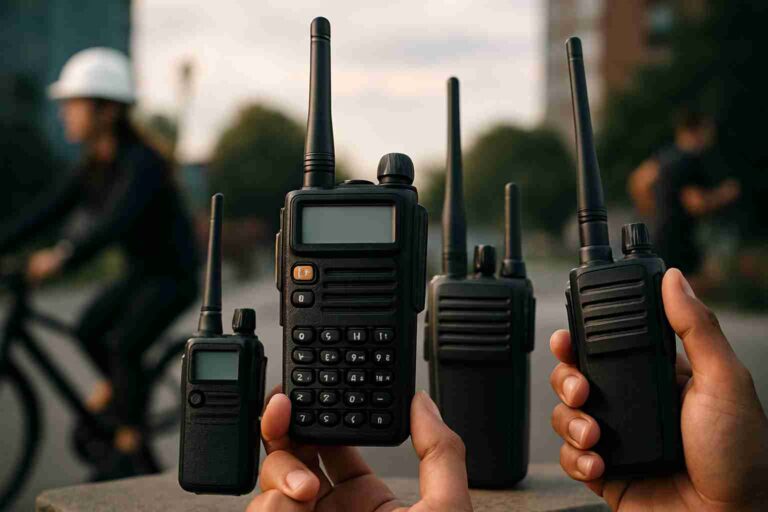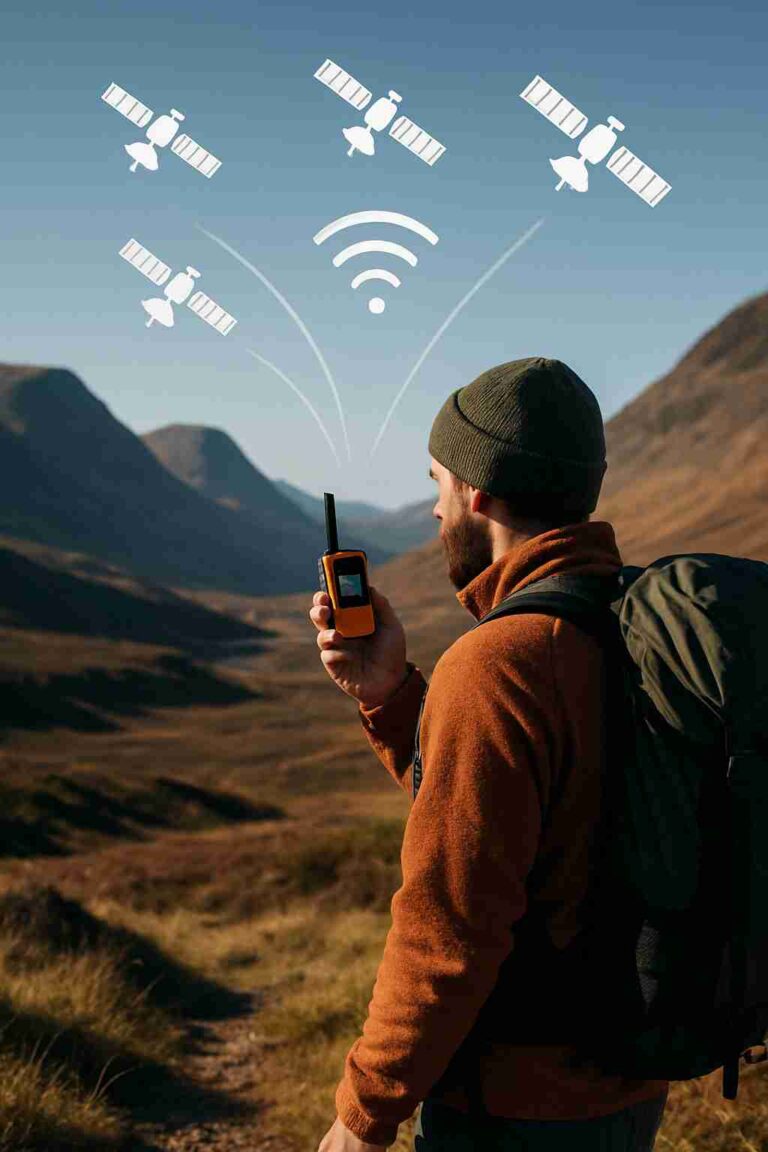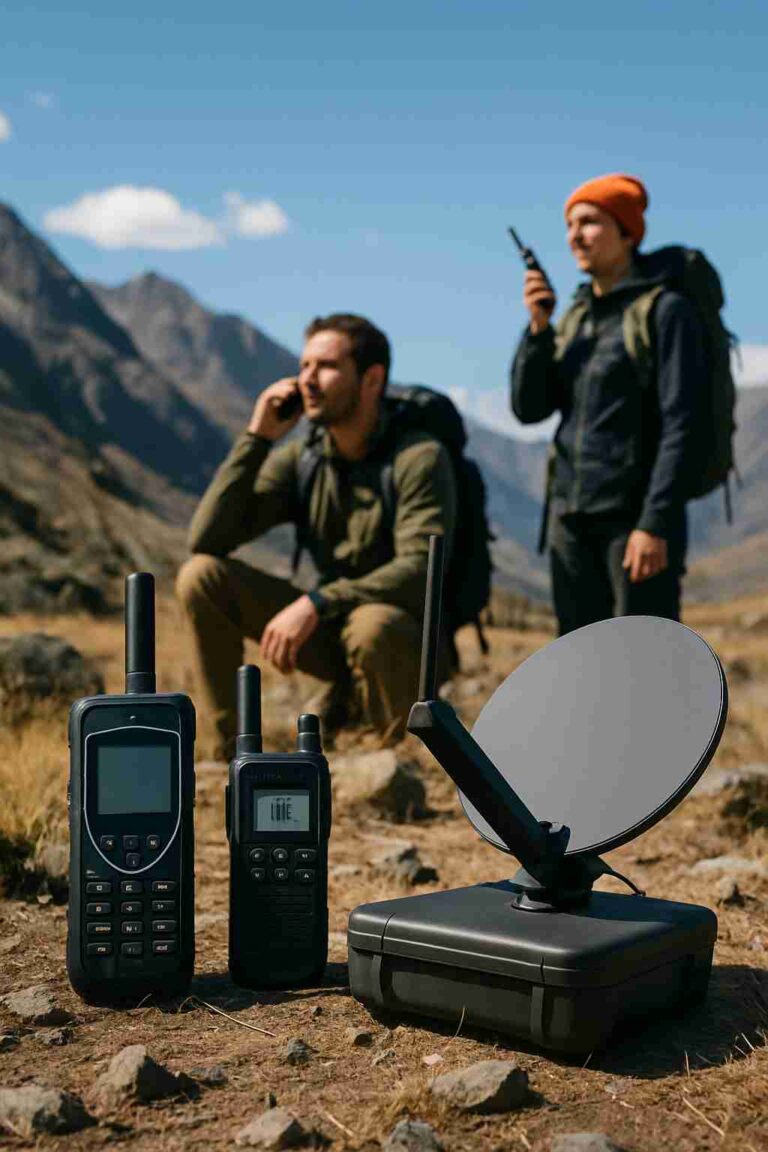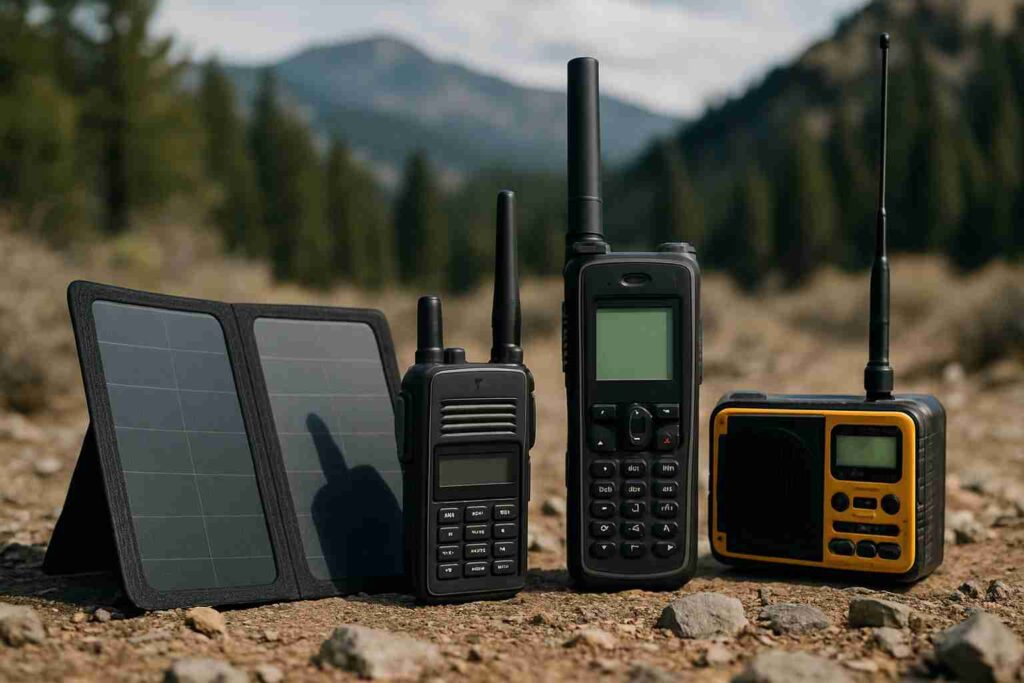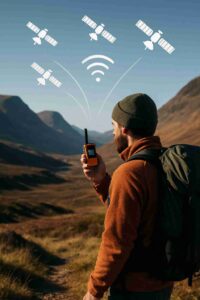
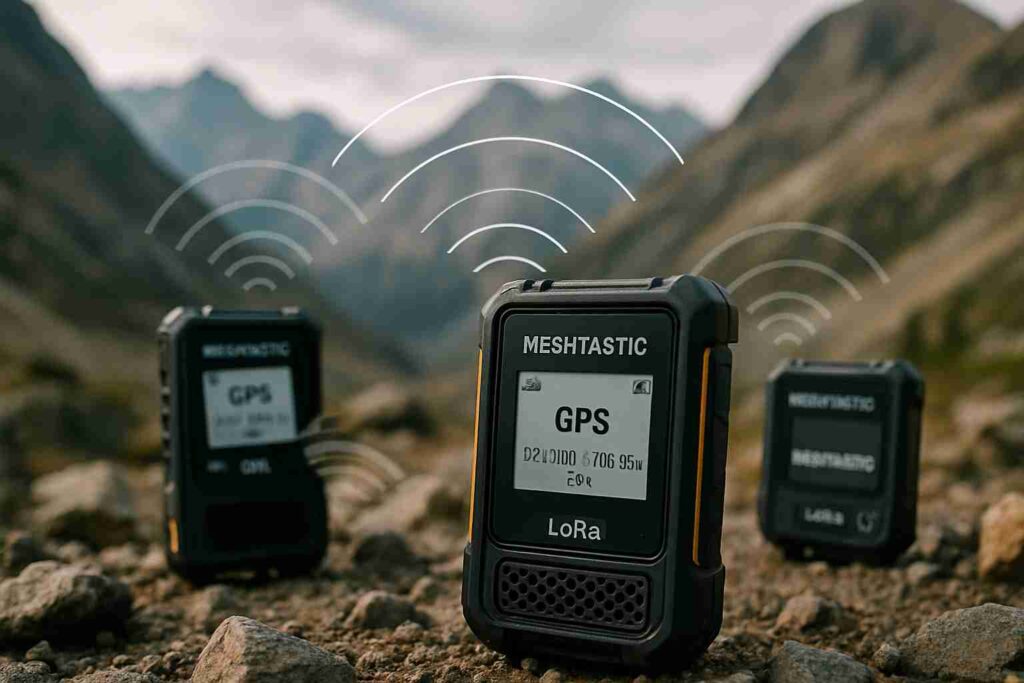
In today’s interconnected world where staying linked is essential, Meshtastic GPS and LoRaWAN mesh systems present cutting-edge answers for autonomous GPS tracking. This combination of technologies transforms how we maintain connectivity in isolated regions by providing long-distance transmission technology and power-optimized mesh systems that operate without dependence on conventional networks.
Understanding Meshtastic and Its Role in Off-Grid Communication
Meshtastic stands out as an impressive breakthrough in the field of off-grid communication systems, providing a distinctive solution for those aiming to stay connected where conventional networks fail. Fundamentally, Meshtastic functions as a LoRa-based mesh networking protocol. This technology enables users to communicate through GPS integration with LoRa technology, facilitating messaging and location sharing in zones lacking cellular signal.
The key to Meshtastic’s appeal lies in its use of LoRa, or “Long Range,” technology, which plays a vital role in extended-distance communication systems. It supports long-distance transmission technology that operates on low power, crucial for building vast networks independent of existing infrastructure. What makes Meshtastic truly valuable is its ability to establish a peer-to-peer communication network that keeps users linked even in the most isolated environments.
By employing a mesh network architecture, Meshtastic ensures devices interact directly or via intermediary nodes, significantly increasing communication reliability. Each device not only receives signals but also acts as a relay, amplifying both reach and network resilience. This feature is indispensable for applications like remote GPS monitoring in challenging terrains or outdoor adventures, guaranteeing reliable data and message delivery.
The philosophy behind Meshtastic focuses on simplicity and user-friendliness, making it accessible for a broad audience. Setting up the system involves easy, often intuitive steps, allowing both tech-savvy individuals and casual users to launch their networks swiftly. This approach ensures anyone can benefit from the technology without extensive technical know-how.
In addition to personal use, Meshtastic offers substantial promise for professional applications such as disaster communication services or environmental surveillance. During emergencies where typical communication infrastructures may be unavailable, having a dependable distributed communication system is critical. Rescue teams and field scientists can maintain contact over large regions without depending on cellular networks, enhancing communication security when it counts the most.
The project’s open-source decentralized mesh networking model promotes community participation, sparking innovation and customization to address unique requirements. Both developers and users contribute enhancements back to the Meshtastic ecosystem, leading to continuous refinements and ensuring the technology evolves to meet current needs.
More than just a communication device, Meshtastic symbolizes a move toward connectivity independence—empowering users to sustain communication without relying on traditional providers. For those in search of a compact solution, the Meshtastic GPS exemplifies this technology’s convenience and adaptability, all while maintaining high performance.
In summary, Meshtastic emerges as a robust, multifaceted answer for off-grid communication challenges, harnessing the strengths of LoRa mesh network solutions to keep individuals connected in the toughest conditions. This strategy not only boosts individual safety and communication dependability but also democratizes access to connectivity and information without relying on existing network infrastructures. As technology advances, innovations like Meshtastic continue to push the boundaries of what’s achievable in autonomous GPS monitoring and off-grid communication.
The Mechanics of LoRa Mesh Networks
LoRaWAN mesh systems are transforming the approach to off-grid communication, particularly when deploying technologies like the Meshtastic GPS. Essentially, LoRa represents Long Range, a term that perfectly captures its ability to transfer data across extensive distances while maintaining minimal energy consumption. This feature is especially valuable for building communication infrastructures in expansive, isolated regions where conventional cellular networks may be limited or unavailable.
Within a LoRa mesh communication network, nodes exchange information directly through radio frequencies, establishing a mesh topology. Each node functions as a relay, forwarding data to and from neighboring nodes, enabling messages to traverse the entire system. This structure eliminates dependence on a centralized hub or base station, resulting in a distributed communication system that enhances network resilience and flexibility. Such decentralization guarantees ongoing operation even if individual nodes fail, as data paths automatically redirect through alternate nodes.
The robustness of a LoRa mesh network solutions stems from its versatility in adapting to various environmental settings and its capacity for extensive mesh network expansion capability. Unlike traditional IoT networks that require intricate infrastructure, these networks grow effortlessly by adding additional nodes, each seamlessly integrating into the established system. This effortless scalability makes LoRa mesh networking particularly suitable for initiatives beginning on a small scale yet potentially extending across large geographic expanses.
An additional key benefit of employing LoRa in mesh networks is its energy-efficient characteristic. Devices utilizing LoRa, like those featured in Meshtastic GPS, can function on battery power for prolonged durations. This trait is vital for deployments in remote locations where regular battery charging or replacement is impractical. The technology allows devices to remain functional for months or even years from a single power source, providing a sustainable option for long-term projects.
LoRa mesh networks also deliver secured LoRa network communication. Thanks to their distributed messaging network design, intercepting the transmitted data is considerably more difficult than in centralized frameworks. Each node can employ encryption protocols to safeguard data moving through the network against unauthorized intrusion. This security is especially critical when managing sensitive content, such as personal location details in GPS tracking applications.
The role of LoRa in mesh systems goes beyond mere data transfer. These networks enable bi-directional communication, permitting devices not only to send information but also to receive commands and updates. This two-way interaction is essential for real-time monitoring and management tasks, including adjusting sensors dynamically in response to environmental factors or delivering updates to GPS devices instantly.
Furthermore, as the Internet of Things (IoT) ecosystem grows, LoRa mesh communication networks offer a future-proof solution that supports a vast number of devices within one network. The fact that they operate over unlicensed spectrum means these networks can function freely without costly licensing fees, which significantly lowers deployment expenses.
To sum up, LoRa mesh network solutions provide a powerful, adaptable, and affordable means to establish reliable communication channels in regions beyond traditional technology coverage. Their capacity for long-distance, energy-saving communication makes them ideal for off-grid applications, fundamentally changing the landscape for projects needing decentralized communication platforms, such as those employing the innovative Meshtastic GPS.
GPS Tracking in Remote and Challenging Environments
In rugged terrains where standard communication infrastructure struggles, Meshtastic GPS stands out as a pioneering solution. Built upon the resilient foundation of LoRaWAN mesh systems, these GPS tracking solutions cater explicitly to isolated regions often devoid of normal cellular coverage. By combining GPS with the power-saving long-distance transmission technology of LoRa, these devices guarantee precise location monitoring even amidst the harshest landscapes.
The extensive-distance communication systems of LoRa enable data transmission across vast, obstacle-rich areas, such as mountains and thick forests, where typical wireless signals would fail. This capability becomes indispensable for explorers, scientists, and remote personnel who rely on dependable location information. What makes Meshtastic GPS so powerful is its distributed communication system design, where every device functions as a node that collectively sustains a resilient and adaptive network. Such adaptability means that if a node drops out or moves beyond range, the network automatically rearranges itself, maintaining uninterrupted communication.
A key advantage of these GPS units is their emphasis on ultra-low power consumption. Conventional GPS trackers often consume considerable energy, rapidly exhausting batteries and risking loss of functionality at critical times. Through leveraging LoRa’s low-consumption long-range connectivity, Meshtastic GPS devices achieve significantly prolonged run times, enabling extended use without frequent recharging or battery swaps — a vital feature in wilderness areas lacking power access.
Additionally, these systems provide continuous GPS tracking services with real-time updates, ensuring constant situational awareness. Whether it’s monitoring migrating animals for research or coordinating members on a remote expedition, instantaneous data flow reduces hazards and improves operational synchronization. Moreover, the transmitted information is secured with encrypted LoRa connectivity, safeguarding sensitive positioning data from unauthorized interception or tampering.
For instance, intrepid hikers equipped with Meshtastic GPS can confidently explore vast, unmarked backcountry without concern for navigation errors. Likewise, remote scientific teams can align their locations and organize tasks efficiently even when separated by miles. The practical benefits are significant, delivering peace of mind and enhanced efficiency in regions once considered inaccessible or perilous.
This technology also supports the increasing reliance on autonomous GPS tracking units in field operations. Whether tracking weather balloons or drones, researchers benefit from these GPS systems’ remote GPS monitoring capabilities, allowing data retrieval without direct line-of-sight. Such use cases demonstrate the versatility of LoRa, boosting performance not just for human users but for automated equipment as well.
Ultimately, merging GPS integration with LoRa-based mesh topology inside the Meshtastic ecosystem represents a transformative step in how we tackle standalone GPS location tracking and remote communication systems. It revolutionizes our engagement with off-grid areas, providing digital infrastructure that advances exploration, environmental protection, and safety like never before. As Meshtastic technology advances, it will fundamentally redefine what independent GPS navigation means today.
Leveraging Meshtastic Devices for Long-Range Communication
When it comes to autonomous GPS tracking in remote and challenging environments, Meshtastic devices stand out as transformative tools reshaping how we stay connected. Utilizing LoRa technology, these compact gadgets facilitate extended distance communication systems with low energy consumption, making them perfect for a wide variety of practical uses. Whether you’re with a hiking group exploring difficult terrains or a remote employee needing to sustain connectivity in secluded spots, Meshtastic devices deliver an innovative and dependable solution.
A key feature setting Meshtastic devices apart is their capacity to form a distributed communication system, ensuring uninterrupted contact even when traditional cellular networks fail. This peer-to-peer communication network allows users to pass messages across several devices, effectively broadening communication reach beyond the limits of a single unit. Picture a hiking party spread over a sprawling mountain range; these gadgets help keep the team connected, exchange GPS coordinates, and provide rapid responses during emergencies.
Outside of recreational contexts, individuals working remotely in areas without conventional network infrastructure rely heavily on these devices. Their rugged construction guarantees dependable performance under harsh conditions, such as construction zones, oil rigs, or during scientific fieldwork. This durability assures steady, clear communication with teams or base operations, which is essential for both safety and operational effectiveness.
Moreover, Meshtastic devices offer remarkable flexibility in customization. Users have the ability to tweak parameters like frequency for enhanced range or optimize battery life for extended deployment. This adaptability empowers users to craft their communication setups tailored to the distinct demands of each environment.
Additionally, with the incorporation of LoRa and GPS synchronization, these devices boost location tracking capabilities, providing real-time updates on team positions. This feature is invaluable not just for logistical coordination but also for safety oversight, enabling swift action if accidents occur.
For developers and tech enthusiasts, the open-source nature of Meshtastic presents an exciting platform for building custom applications that enhance device functionality. The open-source wireless mesh networks ecosystem nurtures a community-driven spirit of innovation where users both contribute to and gain from collective expertise and advancements.
As demand for reliable off-grid communication systems grows, the practicality and versatility of Meshtastic devices continue to attract both individuals and organizations. Whether it’s improving coordination on a mountain expedition or boosting security in remote projects, Meshtastic devices offer a trustworthy communication backbone, harnessing state-of-the-art technology to address today’s autonomous GPS tracking challenges.
Learn more about how Meshtastic GPS can elevate your communication framework, and discover the untapped possibilities these units bring to your adventures and professional pursuits.
The Future of Off-Grid Communication and GPS Tracking
The horizon of autonomous GPS tracking and off-grid communication systems is on the cusp of a remarkable evolution, fueled by cutting-edge innovations like LoRa and Meshtastic technologies. These prospective breakthroughs are not only thrilling but vital for boosting connectivity in areas where traditional networks barely exist or are completely unavailable.
Leading this revolution is LoRa technology, distinguished by its extended-distance communication systems paired with minimal power usage. This allows devices to transmit information across expanses that conventional wireless networks typically cannot cover. Such traits render it ideal for standalone GPS tracking and communication, especially in isolated environments like forests, mountains, and islands where communication infrastructure is scarce or nonexistent.
LoRa’s exceptional properties permit operation over several kilometers while maintaining a low energy consumption profile. Consequently, devices powered by this technology enjoy prolonged operational periods without frequent recharging—a crucial benefit for those exploring distant or hard-to-reach locations. As the appetite grows for eco-friendly and dependable off-grid communication systems, LoRa technology is ready to spearhead the development of broader, more inclusive networks.
Simultaneously, Meshtastic networks usher in a new generation of communication that emphasizes adaptability and dependability. Utilizing a mesh system, Meshtastic empowers users to create resilient links that adjust dynamically to their requirements. Unlike conventional point-to-point setups, these distributed communication systems allow devices to serve as both transmitters and receivers, ensuring that if one connection falters, data seamlessly reroutes through others, maintaining uninterrupted communication.
The Meshtastic GPS solution exemplifies the promising capabilities of these future technologies. By combining GPS integration with LoRa mesh network solutions, Meshtastic GPS delivers both location tracking and messaging over vast distances without dependence on cellular infrastructure. This hybrid functionality is invaluable for safety and communication, especially for adventurers, field workers, or anyone operating beyond network coverage.
Looking forward, integrating artificial intelligence and machine learning with LoRa and Meshtastic mesh systems promises significant improvements. AI-driven enhancements could refine network efficiency, optimize routing protocols, and enable proactive maintenance. Machine learning can further personalize connectivity, reduce energy consumption, and adapt services based on user behavior.
Moreover, as autonomous IoT systems expand, the necessity for reliable and scalable networks like LoRa and Meshtastic will intensify. These technologies support diverse IoT applications—from environmental sensing and agriculture to disaster response and smart urban management. To accommodate growing data demands while preserving energy efficiency, the supporting networks must evolve accordingly.
Additionally, the global shift towards sustainable communication technology may propel substantial investments from governments and private sectors to broaden and improve LoRa and Meshtastic infrastructure. Such funding could translate into increased coverage, enhanced features, and lower user costs, making autonomous GPS monitoring and off-grid communication more attainable.
Innovations in LoRa and Meshtastic GPS promise a future where reliable, wide-range communication and tracking thrive even in the most challenging conditions. As these technologies mature and merge with other advanced solutions, they will become foundational pillars for a more interconnected world, breaking geographical limits and opening new possibilities for safety and exploration in remote settings. Addressing today’s needs while envisioning tomorrow’s potential, these systems herald a future where connectivity knows no boundaries.
Conclusions
Meshtastic devices along with LoRa networks are leading the way toward the future of communication in hard-to-reach areas by providing eco-friendly communication systems that cover vast distances. As these innovations progress, their influence on autonomous GPS tracking and standalone communication enhances our capacity to remain connected—whether for exploration or essential needs—surpassing the constraints posed by conventional network infrastructures.