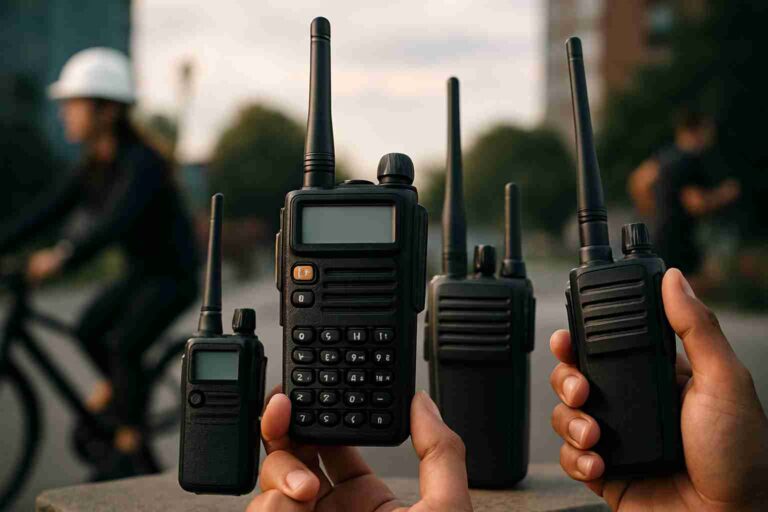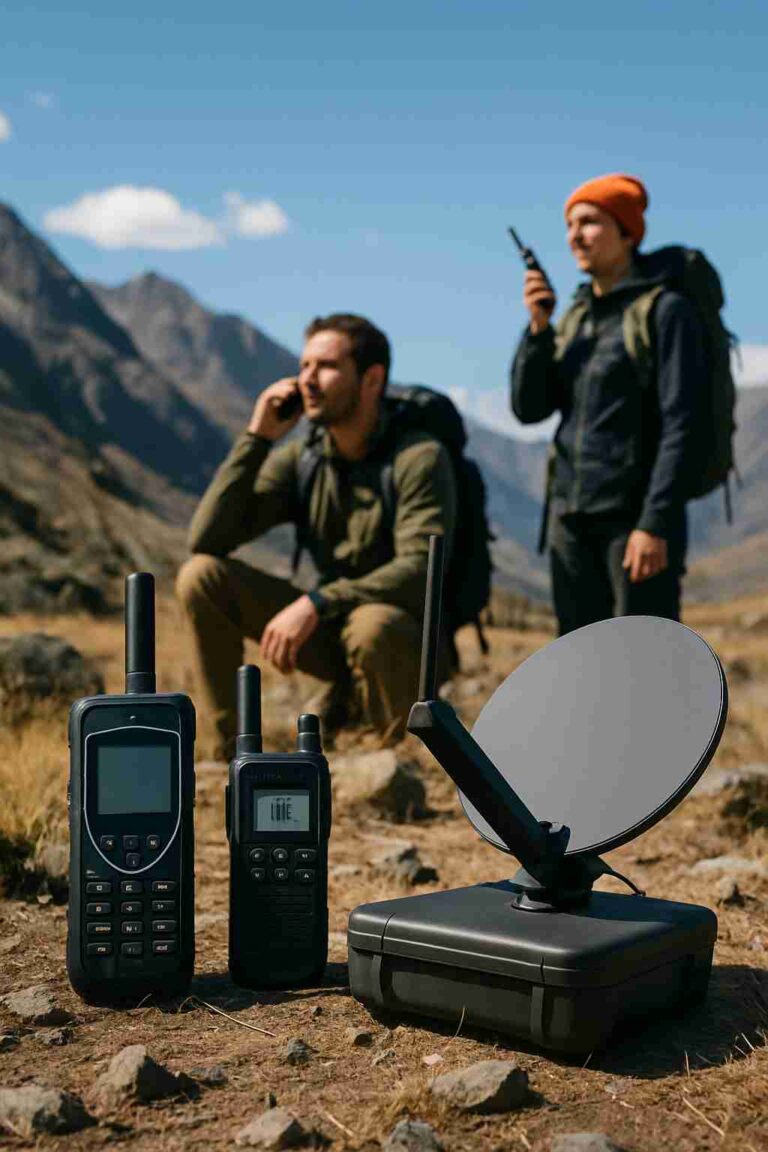

Meshtastic offers an innovative solution for decentralized, long-range communication without relying on traditional networks. Using low-power LoRa technology, Meshtastic devices enable text and data exchange in areas beyond cellular and Wi-Fi coverage. This article explores the best Meshtastic devices available, highlighting their features, use cases, and how to choose the right one for your needs.
Understanding Meshtastic Technology and Its Applications
When diving into the world of reliable off-grid communication, selecting the right meshtastic devices is crucial for maximizing range, battery life, and ease of deployment. Among the leading options, development boards powered by the ESP32 and nRF52840 microcontrollers stand out, thanks to their versatility and robust support for LoRa and BLE communication protocols. The ESP32, known for its dual-core processing power and integrated Bluetooth and Wi-Fi capabilities, offers a flexible platform that hobbyists and professionals alike can customize extensively. Meanwhile, the nRF52840 shines with its ultra-low power consumption and advanced Bluetooth 5 support, making it ideal for scenarios demanding prolonged battery life.
Commercially purpose-built meshtastic hardware takes these foundations a step further by integrating GNSS receivers to offer reliable location tracking alongside messaging capabilities. Devices such as these are tailored for users who need real-time geospatial awareness, whether for coordinating teams during outdoor expeditions or monitoring remote assets. The inclusion of features like smart power management extends operational endurance, often pushing battery life well beyond typical consumer-grade devices.
Connectivity considerations play a vital role in enhancing user experience. Bluetooth remains the primary method for pairing meshtastic devices with smartphones, enabling straightforward message sending and network management through companion apps. Some hardware variants also incorporate Wi-Fi modules, providing additional flexibility for syncing data or firmware updates when a network is available.
When weighing these options, it’s important to consider modularity and community backing. Devices built with open-source guidelines encourage customization and expansion, letting users swap antennas or add sensors without voiding warranties. Strong online communities contribute invaluable firmware updates, troubleshooting advice, and innovative use cases, ensuring the technology evolves in response to real-world needs.
Ultimately, whether you prioritize maximum range, extended battery life, or user-friendly integration, today’s meshtastic hardware landscape offers diverse choices tailored to various off-grid communication challenges. This ensures dependable, decentralized messaging wherever your adventures or missions take you, powered by thoughtfully engineered hardware and supported by a vibrant ecosystem.
Top Meshtastic Devices and Their Key Features
Among the best devices powering meshtastic networks, hardware built around the ESP32 and nRF52840 microcontrollers stands out for their versatility and robust performance. The ESP32 platform is favored for its dual-core CPU and integrated Wi-Fi and Bluetooth capabilities, which facilitate seamless mobile app integration alongside LoRa long-range communication. This combination makes ESP32-based boards particularly attractive for users who value connectivity flexibility. The nRF52840, on the other hand, is renowned for its ultra-low power operation and advanced Bluetooth 5 support, providing an ideal foundation for lightweight, energy-efficient meshtastic nodes deployed in remote or battery-constrained environments.
Beyond these popular development boards, commercially purpose-built meshtastic devices bring added convenience by integrating features tailored specifically for outdoor, off-grid use. Many kits now come equipped with onboard GNSS receivers, enabling precise location tracking that enhances situational awareness for hiking, emergency, or expedition scenarios without the need for external modules. These devices often include user-friendly interfaces such as OLED displays and robust housing designed to withstand harsh weather, making them ready for immediate deployment.
Connectivity options have greatly expanded, with Bluetooth and Wi-Fi increasingly incorporated to simplify interaction with smartphone apps for messaging, configuration, and firmware updates. This dual-mode approach caters to diverse user preferences, whether managing devices directly from a mobile interface or leveraging wireless bridges for extended range. Attention to battery life remains paramount; most leading devices utilize low-power chips paired with efficient power management solutions, allowing them to operate for days or even weeks on a single charge.
Moreover, modular designs are becoming a hallmark of the best hardware, enabling enthusiasts to customize antennas, add sensors, or upgrade components to suit specific use cases. The vibrant community backing meshtastic fosters ongoing development, providing firmware enhancements, troubleshooting support, and detailed documentation that helps users maximize device potential. This blend of cutting-edge technology, practical design, and active ecosystem makes these top meshtastic devices indispensable for reliable decentralized communication in challenging environments.
Choosing the Right Meshtastic Device for Your Needs
Choosing the right Meshtastic device starts with a clear understanding of your unique communication needs and environmental challenges. For outdoor enthusiasts hiking through rugged terrain, devices with robust, long-range LoRa capabilities and strong battery life are essential. In contrast, emergency responders might prioritize quick setup, ruggedness, and compatibility with various peripheral sensors or GNSS modules for precise location tracking. Remote researchers often need scalable networks capable of linking dozens of nodes across expansive or obstructed landscapes, so devices that support reliable mesh formation with adaptive routing protocols become attractive.
Assessing the network scale also plays a critical role. Smaller networks of a few nodes can operate efficiently with simpler hardware and minimal configuration, while larger deployments demand devices that can handle frequent firmware updates and advanced features like group messaging or dynamic node discovery. When line-of-sight is restricted by natural or built obstacles, selecting units with elevated antenna options or external antenna ports can significantly enhance communication reliability.
Compatibility and user-friendliness are paramount considerations. Some users may gravitate toward plug-and-play units that integrate seamlessly with mobile apps over Bluetooth or Wi-Fi, reducing barriers to adoption. Others might prefer more customizable boards built on platforms like ESP32 or nRF52840 that invite technical tinkering, firmware flashing, or integration with other hardware. Expandability—how easily you can add nodes over time—is often overlooked but crucial for growing networks, and it aligns closely with selecting devices supported by vibrant developer communities.
Optimizing node placement is just as important as the hardware itself. Placing nodes on ridges, towers, or other high points reduces signal attenuation. Understanding the nuances of firmware options can also improve network resilience, especially in large deployments where mesh routing algorithms and power management features vary.
Budget concerns naturally influence the decision. Balancing cost against features and future-proofing means deciding whether a ready-to-use solution or one requiring technical customization best fits your objectives. Ultimately, choosing devices supported by active development teams and communities ensures ongoing improvements, firmware updates, and expanded compatibility, sustaining your meshtastic network’s longevity. With these factors in mind, you can confidently select the ideal hardware tailored to your off-grid communication needs, making every message count.
This careful approach bridges the gap between choosing hardware specs and mastering the practicalities of decentralized connectivity, enabling effective communication, even in the most isolated scenarios—a true testament to the power of technology harnessed intelligently.
Conclusions
Meshtastic devices provide an exceptional way to maintain communication where traditional networks fail. Their decentralized LoRa-based mesh networking enables secure and reliable messaging in remote or disaster-prone environments. By understanding the technology, exploring the best hardware options, and considering your unique needs, you can select an optimal Meshtastic device that ensures connectivity and peace of mind off the grid.