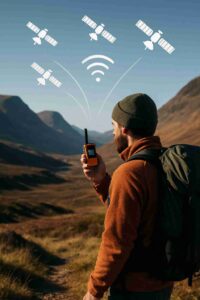

In the challenging world of hiking, staying connected is vital for safety and peace of mind. Whether you’re on a solo trek or hiking with friends, communication devices like the Garmin inReach Mini 2, two-way radios, and satellite messengers are essential tools. This guide explores these devices, helping you select the best options for your outdoor adventures.
Understanding Portable Satellite Communicators
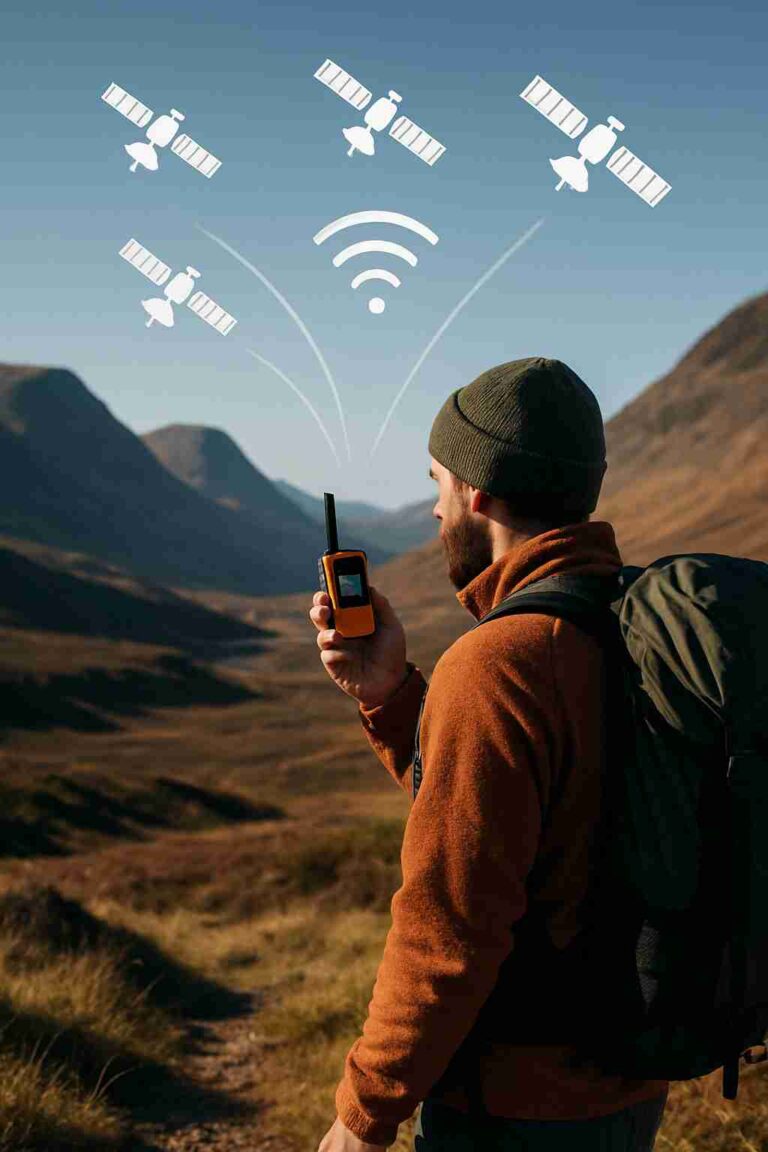
Portable satellite communicators represent a vital lifeline for adventurers venturing into areas beyond the reach of traditional cellular networks. These ingenious devices offer functionalities crucial for safety and connectivity, even in the most remote wilderness. Using advanced satellite networks, these communicators, such as the Garmin inReach Mini 2, facilitate global coverage that ensures no corner of the earth is out of touch.
Primarily, their ability to send SOS signals during emergencies can instill confidence among hikers. This functionality allows users to alert rescue services promptly, providing critical information about their situation and location. Additionally, these devices support continuous location tracking, helping friends or family monitor one’s journey in real time.
Beyond emergency use, portable satellite communicators enable two-way messaging in areas where typical smartphones fail, bridging communication gaps that can be lifesaving. Whether coordinating with other hikers or sharing updates with loved ones miles away, these devices keep connections intact.
For those seeking the best portable comms gear for hiking, satellite communicators emerge as essential tools, providing not just communication avenues but peace of mind amidst untamed landscapes. Their capacity for sophisticated rescue operations and basic communication alike makes them indispensable in the gear lineup for serious outdoor enthusiasts. Thanks to these compact marvels, the wilderness doesn’t have to mean isolation. For hikers looking for the best portable comms gear for hiking, these devices bridge the vastness of nature with the comfort of connectivity.
Features of Garmin inReach Mini 2
The Garmin inReach Mini 2 stands out in the realm of best portable comms gear for hiking, embodying a perfect blend of size and functionality for adventurers. Its global satellite coverage ensures you stay connected wherever your trails lead. This device enables two-way messaging, allowing you to communicate in areas where cellular networks are unavailable. The interactive SOS feature serves as a reassuring safety net, instantly alerting emergency responders with a precise location.
Beyond safety measures, the device enhances navigation through GPS capabilities, helping you chart your course or retrace your steps if needed. Its robust design is crafted for outdoor resilience, surviving harsh weather and tough terrains. Pairing it with a smartphone streamlines its interface, making operation effortlessly intuitive even when you’re on the move.
Subscription plans offer flexibility, allowing you to tailor services based on your itinerary, whether for occasional use or extended adventures. This adaptability makes it a key component of a comprehensive communication toolkit. The Garmin inReach Mini 2 truly complements the needs of outdoor explorers, proving itself indispensable in maintaining connection and enhancing safety amidst nature’s unpredictability.
Two-Way Radios: A Reliable Option for Group Hiking
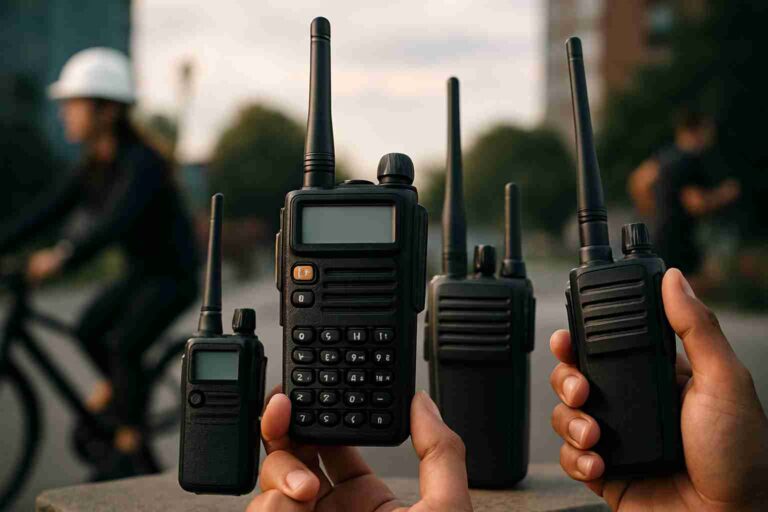
Two-way radios, or walkie-talkies, offer an indispensable layer of connectivity for group hikes, ensuring communication remains swift and reliable. Unlike satellite or cellular devices, these radios provide immediate, real-time interaction over short distances, making them ideal for coordinated group activities in the wilderness. Important factors like range, battery life, and user-friendliness separate effective models from mediocre ones. Popular devices often boast a range extending several miles in open terrain, although dense forests or mountains might restrict this distance.
Long battery life is crucial, especially on multi-day treks. Many models offer rechargeable batteries or the option for disposable ones, giving flexibility in energy management. Ease of use is paramount; intuitive controls allow even the least tech-savvy hiker to communicate effectively.
The real-time updates provided by two-way radios enable hikers to share critical information swiftly, enhancing group safety. Whether discussing navigation, weather changes, or rallying the group for a scenic view, these devices enhance coordination. For those seeking best portable comms gear for hiking, two-way radios represent a timeless and trustworthy choice, bridging communication gaps and keeping adventurers connected.
Choosing the Best Walkie Talkies for Hiking
Selecting the right walkie-talkies for hiking calls for a deeper understanding of what each model can offer in terms of durability and functionality. First, scrutinize the range. While some models promise extended reach, actual performance varies dramatically in hilly or wooded areas—seek devices with topographical adaptability. Durability is another key feature; ensure they can withstand the rigors of the outdoors, including dust and accidental drops.
Next, consider waterproof ratings. Walkie-talkies with an IP67 rating resist water and dust and are highly recommended for unpredictable weather. Frequency channels are also vital. Some models support multiple channels and privacy codes, which reduce interference and maintain clear communication, particularly useful in busy hiking zones. Licensing is often required for certain frequency bands, so verify requirements in your region to ensure compliance.
Renowned brands like Motorola and Midland are reputed for rugged walkie-talkies tailored for hikers. Models that incorporate weather alerts or flashlight functions add value, further enhancing safety. Choose devices that are lightweight yet robust for seamless integration into any hiking gear setup. For the best portable comms gear for hiking, evaluating these features ensures reliable communication on your wilderness explorations.
Satellite Messengers for Solo and Group Backpacking
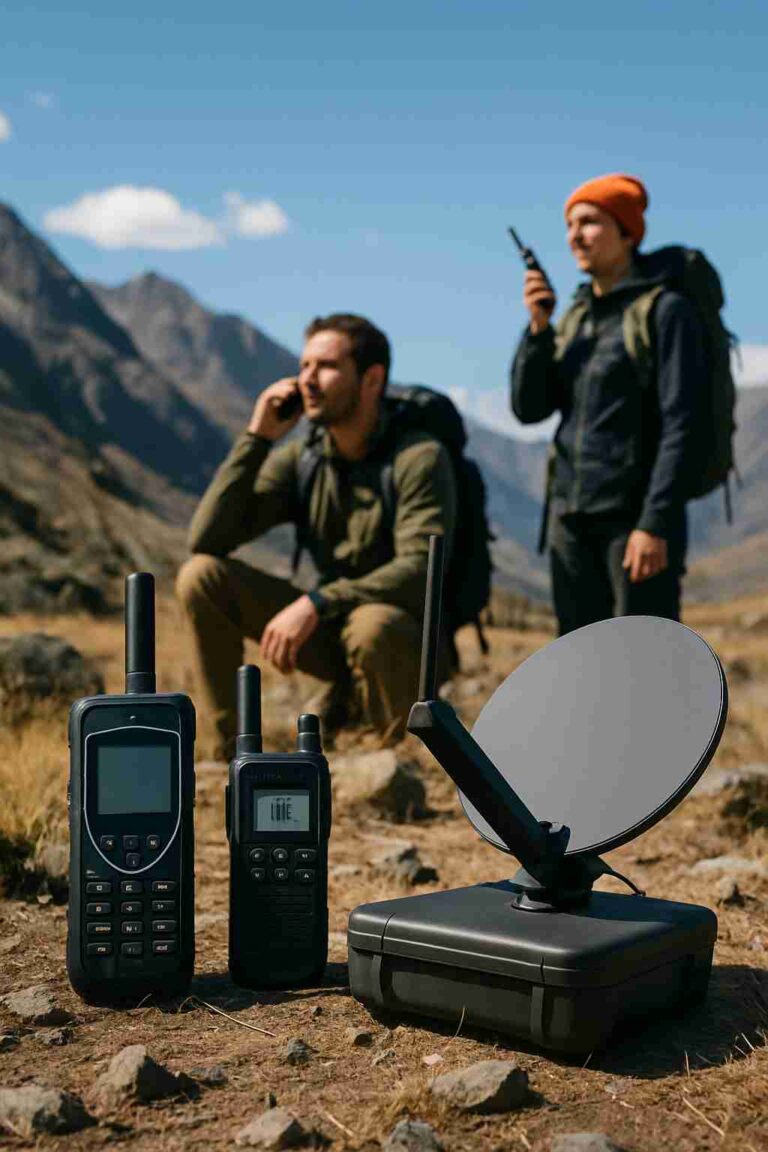
Satellite messengers are indispensable for solo and group backpacking, especially when venturing into areas where traditional cell service is nonexistent. These devices are designed to ensure communication and safety by making use of satellite networks, providing connectivity no matter how remote your location. Beyond Garmin, other reliable brands like SPOT and Iridium offer diverse options catering to the needs of different outdoor enthusiasts.
SPOT devices, for instance, deliver a straightforward approach to satellite messaging, with a focus on emergency signaling and basic text capabilities. On the other hand, Iridium shines with its global reach, offering truly worldwide coverage due to its comprehensive satellite network. These messengers typically require subscription plans, which vary in features and pricing, thus allowing users to tailor their service to personal needs and budget constraints.
Features like weather forecasts, available on some models, transform these devices from mere communication tools into valuable forecasting aids, helping hikers make informed decisions. When selecting one, consider factors like global reach and additional functions to ensure the device meets the demands of your specific backpacking adventures. Adopting the best portable comms gear for hiking ensures a balance between performance, safety, and practical utility during your next outdoor expedition.
Conclusions
In conclusion, choosing the right communication device for hiking depends on your specific needs, whether you’re a solo backpacker or part of a group. Devices like the Garmin inReach Mini 2 offer peace of mind with global coverage, while two-way radios and satellite messengers provide reliable alternatives. By understanding the features and capabilities of each device, you can ensure a safe and connected hiking experience.