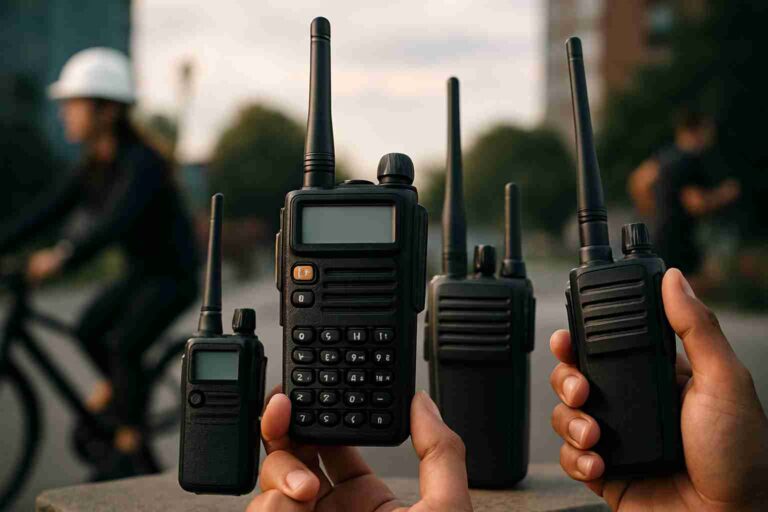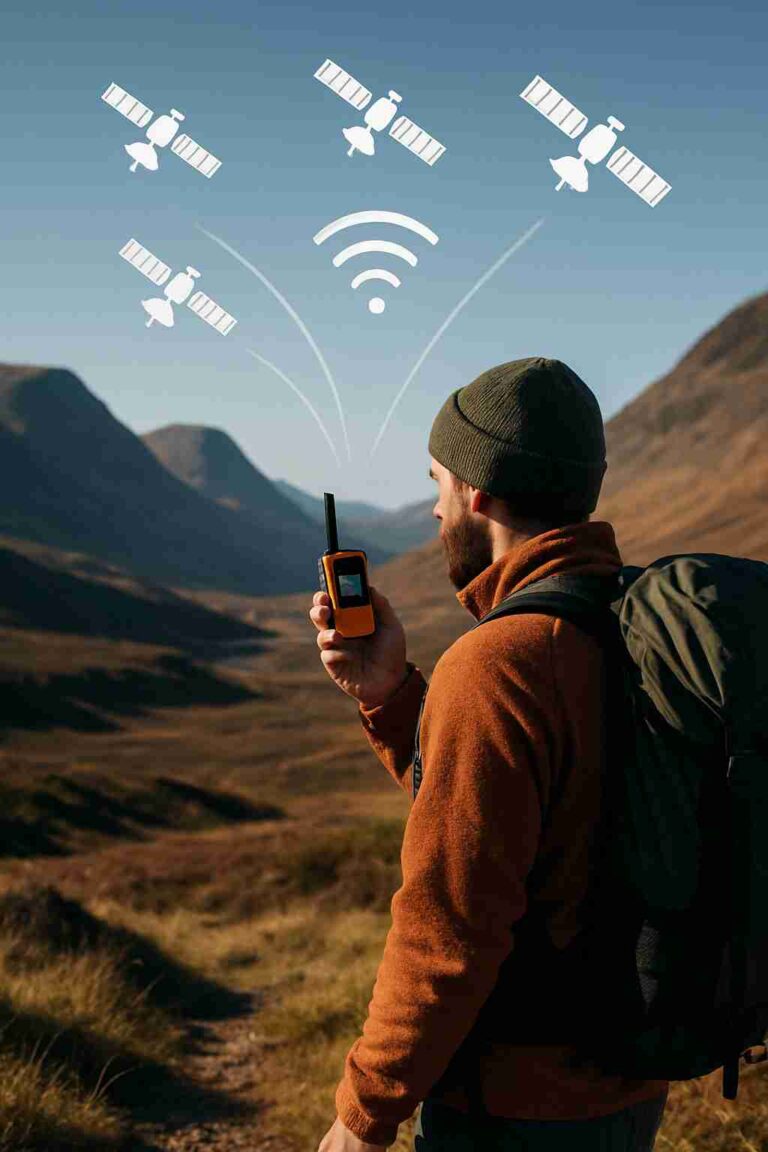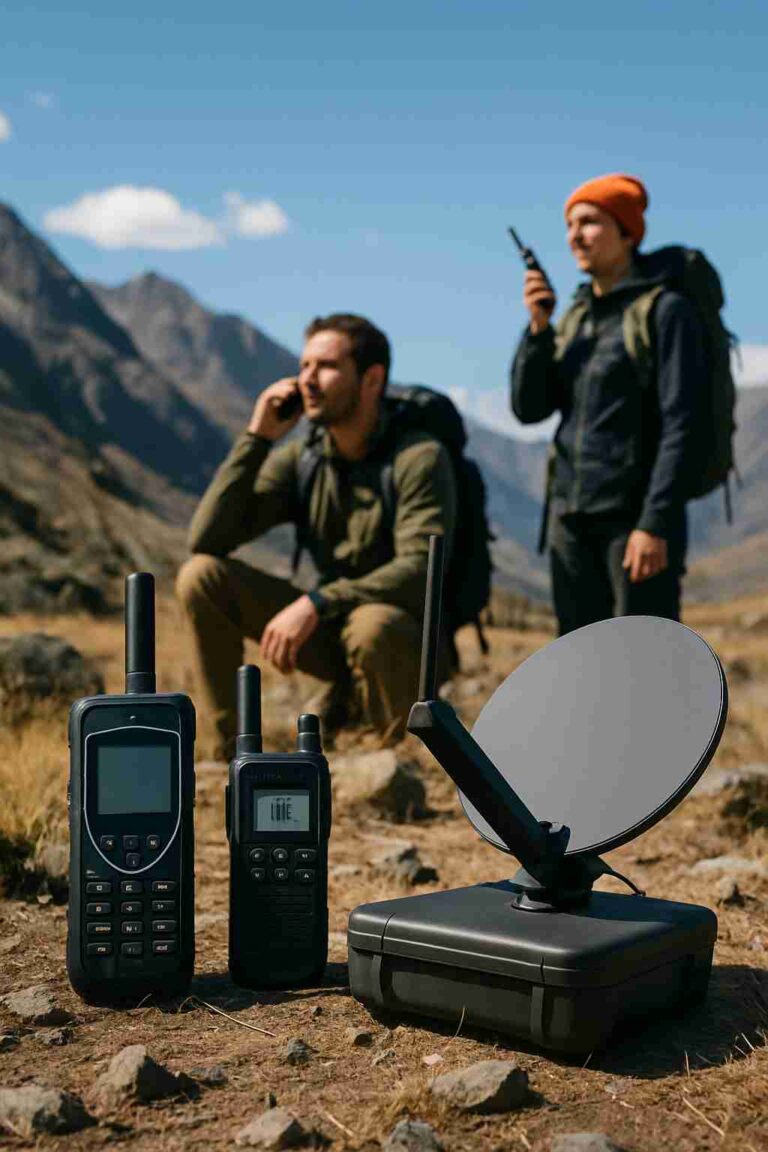
In today’s world, where connectivity spans multiple dimensions, maintaining communication across varied settings is crucial. This article delves into advanced solutions like distributed communication networks, autonomous communication infrastructures, and LoRa wireless mesh systems, highlighting their capability to support self-sufficient communication solutions. Learn how these breakthroughs foster localized communication networks and guarantee dependable connectivity that surpasses traditional infrastructures.
Understanding Mesh Networking and Its Impact
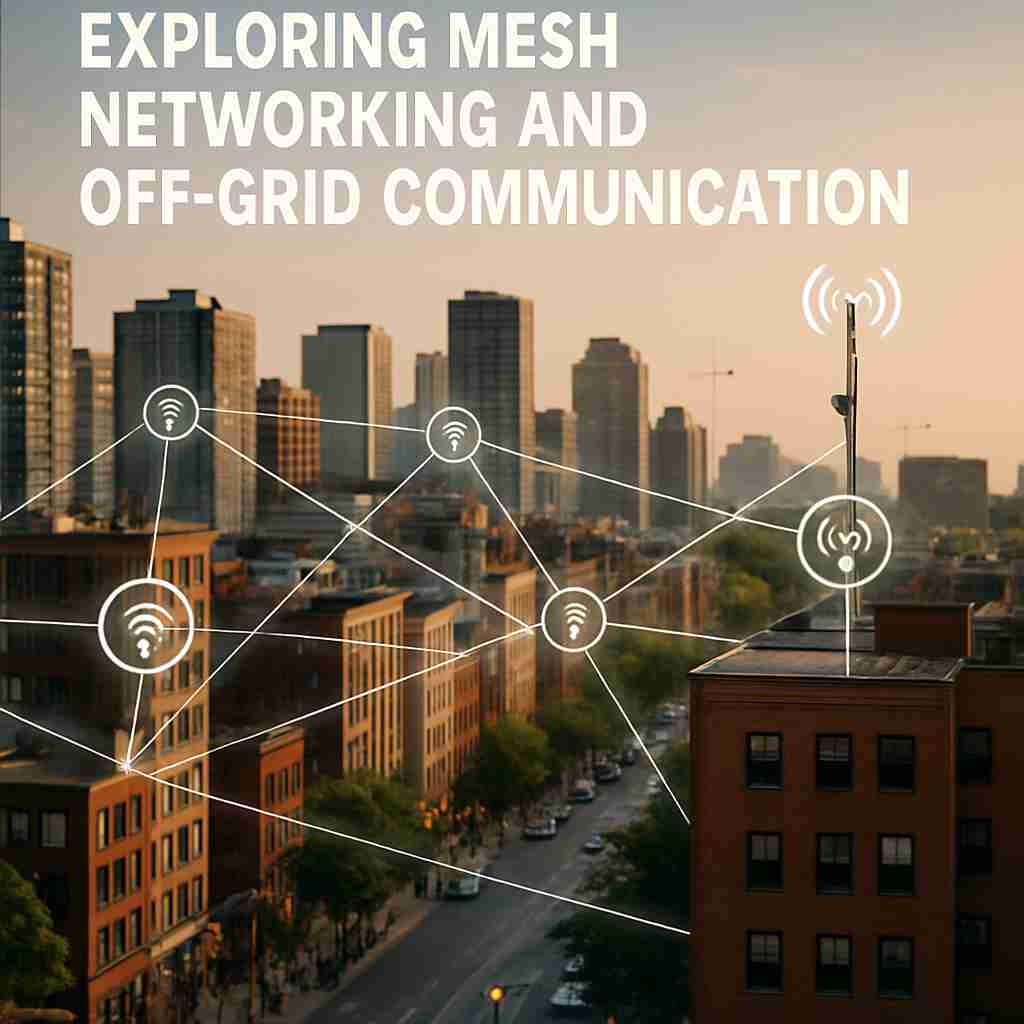
Mesh networking signifies a transformative change in how we view connectivity, providing a distributed communication network that enhances both dependability and coverage. Instead of relying on a central hub to manage all interactions, mesh networks empower each device to function as a node, communicating directly with its neighbors. Because of this distributed design, if one node stops working, the data seamlessly reroutes through an alternate path, maintaining uninterrupted service.
These autonomous mesh networks possess self-repairing capabilities that make them notably more robust compared to traditional centralized networks. Picture a spiderweb, where every thread could serve as a route, and every junction offers a connection point. When one part is damaged, the overall structure remains intact, demonstrating how failure in one segment of a mesh affects it much less than in centralized models. This self-organized architecture is more than just a technological leap; it marks a philosophical move toward greater durability and flexibility.
Mesh network solutions have practical use in both metropolitan and isolated settings. Within urban areas, where signal interference and congestion are common, mesh communication systems deliver continuous coverage by utilizing several nodes. For example, in office complexes or apartment buildings, each floor or unit can connect independently without depending heavily on a single modem. Furthermore, in smart city frameworks, these networks enable efficient Internet of Things mesh networking integration, linking devices like smart meters and traffic sensors to craft a cohesive, intelligent urban environment.
In regions with limited infrastructure, autonomous communication networks provide vital connectivity. Distant villages without access to conventional networks can depend on mesh networks for communication and internet services, establishing a crucial lifeline for education, healthcare, and commerce. By leveraging technologies such as LoRa mesh communication, known for its low consumption long range networking, these communities sustain connections without relying on traditional telecommunications infrastructure.
The Mesh Beacon Network exemplifies the flexible use of distributed mesh networking platforms. This system allows devices to transmit signals over vast areas, making it ideal for urgent response communication networks or environmental monitoring across large natural reserves. Beacons function as nodes within this web-like communication grid, transmitting essential data while bypassing physical or man-made obstacles.
In today’s digital world, where data is integral to everyday interactions, the agility and dependability of mesh networking systems become crucial. They present a future-ready approach that fulfills current demands while anticipating those of the future, evolving alongside societal needs. As connectivity deepens, adopting systems like the Mesh Beacon Network ensures the creation of networks that are as dynamic and interconnected as the communities they support. This built-in adaptability and robustness emphasize the importance of mesh wireless technology in tackling modern communication challenges, establishing it as a foundational element for both urban innovation and rural progress.
Harnessing Off-Grid Communication Solutions
Innovations in mesh networking systems have opened fresh avenues for remote communication systems, delivering crucial lifelines when emergencies arise or in isolated locations. Central to these advancements is technology like the Mesh Beacon Network, which enhances connectivity via distributed communication networks, allowing information to flow seamlessly even in the absence of centralized infrastructure.
Systems such as MeshCore mark a significant breakthrough in connecting regions without traditional network access. These solutions employ resilient, low consumption long range networking protocols like LoRa (Long Range) technology to create communication channels. Because LoRa technology transmits data over vast distances using minimal energy, it supports a wide variety of use cases, particularly valuable during urgent communication scenarios.
Consider a post-disaster setting where standard networks are down and immediate, dependable communication is crucial. In such moments, platforms like the Mesh Beacon Network establish a robust yet temporary network. This enables rescue personnel, local residents, and officials to stay connected, exchange critical details, and coordinate responses effectively. When every moment matters, these networks become indispensable communication lifelines.
A standout feature of systems like MeshCore lies in their autonomous mesh networks’ ability to self-form and self-repair. Devices in such a mesh network dynamically communicate and reroute data, automatically bypassing faults or disruptions. This means even if certain nodes fail due to damage or power limitations, the network remains operational by adapting instantly to maintain connectivity.
In regions where conventional infrastructure is limited, autonomous communication infrastructures extend a vital digital connection, enabling communities to sustain communication channels. For example, remote pastoral groups spanning large isolated areas can exchange information about weather changes, grazing resources, or critical alerts such as poacher sightings without relying on costly or impractical centralized networks.
These mesh communication technologies, especially those employing LoRa, also enhance data sharing in agricultural environments. Farmers benefit from immediate updates on environmental conditions or commodity prices via low-power devices communicating through mesh nodes. The decentralized nature of these networks bolsters data privacy and user control, empowering individuals with full autonomy over their communication pathways and information.
Beyond emergency contexts, the flexibility of these networks suits various non-crisis applications too. Temporary setups like outdoor events, festivals, and pop-up installations gain from these mesh networks by ensuring steady communication without existing infrastructure. This adaptability improves operational workflows and visitor satisfaction, demonstrating the wider utility of mesh networking solutions outside of crises or remote locations.
By adopting self-sufficient communication solutions, communities grow resilient, better prepared to handle interruptions and less dependent on centralized systems that can be vulnerable during widespread emergencies. The innovation driving mesh networking not only safeguards communication channels but also democratizes access to information, fostering a strong foundation for interconnected, self-reliant communities worldwide.
Integrating low-energy extended range communication technologies like LoRa with the creative design of mesh networking transforms remote communication from a challenge into a source of empowerment and security. Innovations such as the Mesh Beacon Network push connectivity to new heights, embodying resilience and adaptability within our fast-evolving digital world.
The Power of Decentralized Networks
The arrival of distributed communication networks has transformed our perspective on connectivity and the resilience of communities. Unlike conventional centralized architectures, these networks prevent any single failure point by spreading data across a mesh of nodes, each simultaneously acting as both sender and receiver. This method not only democratizes information access but also fortifies the communication infrastructure, particularly when traditional systems experience breakdowns.
Blockchain technology is integral to these distributed frameworks, offering a secure and permanent ledger of transactions. Originally created for cryptocurrencies, the foundational concepts of decentralized ledgers and consensus mechanisms have expanded their reach well beyond finance. Ensuring blockchain data consistency is vital where transparent and irreversible data storage is necessary. When applied to communication infrastructures, this technology can enhance security by validating identities and interactions without revealing sensitive details.
Peer-to-peer communication platforms further demonstrate decentralization by enabling users to share data directly, bypassing centralized middlemen. Torrenting, a prevalent P2P application, illustrates how files can be spread across multiple nodes, complicating any attempts to interrupt data flow. Such frameworks are especially advantageous during emergencies like natural calamities or in areas under strict censorship, as they help maintain uninterrupted information dissemination. The durability provided by P2P networks supports community stability and recovery by keeping access to information largely continuous.
A practical example of decentralized technology is the Mesh Beacon Network. These systems ensure crucial connectivity by establishing a chain of communication nodes linking users directly. By harnessing the collective strength of interconnected devices, these networks deliver robust remote communication systems, proving essential in regions lacking dependable infrastructure.
Users are further empowered by decentralized communication solutions, which offer greater control over their communication routes. Instead of depending on centralized ISPs or external platforms, individuals decide how their data is routed and stored. This control enhances privacy and provides a means to bypass conventional gatekeepers who might limit access due to economic or political motives.
Moreover, decentralization encourages innovation by reducing entry barriers for new participants. Because these networks rely less on centralized supervision and infrastructure, they create fertile ground for developers and entrepreneurs to devise inventive applications and services. This democratization fosters a richer variety of solutions customized to meet the unique demands of communities.
The fusion of distributed communication networks with technologies such as the Mesh Beacon Network holds great promise for improving information availability and communication efficiency. Incorporating these systems into local infrastructure helps communities shield themselves from disruption while promoting sustainable and just connectivity options. Their genuine strength lies in adaptability—responding fluidly to environmental shifts and user needs, paving the way for a future where technology emphasizes cooperation and empowerment over control.
In summary, the transition to decentralized wireless mesh systems represents a crucial shift in how communities secure their communication frameworks. As these systems progress, they hold the potential to provide more durable, inclusive, and accessible networks that withstand challenges, nurturing a culture of connectivity grounded in security, privacy, and user autonomy.
Exploring LoRa Technology and Its Community Applications
In today’s fast-evolving digital communication landscape, LoRa technology distinguishes itself through an innovative method of extended range energy-efficient communication. Specifically crafted for wireless, battery-powered devices operating in regional, national, or global networks, LoRa (Long Range) uses modulation techniques that function across various frequency bands worldwide. By providing connectivity over extensive distances while consuming very little power, it proves particularly valuable where both coverage and battery life are vital.
LoRa’s distinct features have embedded it deeply into smart urban infrastructure, enabling numerous services that demand reliable, expansive coverage without the significant energy costs of conventional cellular systems. It underpins diverse LoRa enabled smart city systems—from lighting control to parking oversight and waste management—where wide network reach and prolonged battery longevity are essential. As urban areas grow and populations increase, deploying sensors and devices capable of communicating over far-reaching distances without frequent battery replacements or charging becomes indispensable.
Outside urban boundaries, LoRa wireless environmental sensors offer considerable advantages for environmental monitoring. Thanks to its long distance low power connectivity, LoRa is ideal for installing devices in isolated or difficult-to-access natural areas. These sensors track critical factors such as air pollution, water levels, and climatic conditions, relaying data to centralized platforms for timely analysis and action. Such implementations are vital in disaster communication technology, equipping communities with early alerts and real-time updates that enhance preparedness and resilience against natural disasters.
Wildlife monitoring represents one of the most impactful uses of LoRa connectivity benefits. Its capability to transmit data across large areas with minimal energy consumption allows tracking collars and related equipment to observe animal movements over vast terrains without frequent battery changes. This approach enables conservationists to obtain essential insights into behavior, migration, and habitat utilization, informing sustainable wildlife management practices while minimizing disturbance to ecosystems.
In agriculture, precision farming with LoRa technology harnesses sensors that measure soil moisture, crop vitality, and local weather metrics, delivering actionable insights to farmers. These enable optimized irrigation, better crop scheduling, and improved yields with less waste, fostering sustainable agricultural methods critical for modern farming.
Within logistics and transport sectors, LoRa plays a key role in smart transportation systems by facilitating real-time vehicle and cargo tracking across expansive supply chains. This enhances route efficiency, reduces delays, and boosts overall operational performance. Additionally, monitoring container conditions such as temperature and humidity during shipment utilizing LoRa mesh connectivity ensures sensitive products remain within safe parameters, preventing spoilage.
As communities increasingly adopt distributed communication networks for data and messaging, integrating a Mesh Beacon Network with LoRa mesh communication highlights potential for robust wireless networks capable of operating even in demanding environments. By leveraging LoRa’s expansive range alongside the scalability of decentralized community networks, resilient communication infrastructures can be built to support daily connectivity needs and reinforce robustness against network interruptions. This complementary method aligns well with insights from previous discussions on decentralized communication protocols.
Collectively, these examples illustrate the versatility and significance of LoRa wireless mesh system solutions in crafting efficient, enduring, and sustainable technologies tailored for community-driven networking. As innovations like the Mesh Beacon Network become more woven into local network integration efforts, the fusion of multiple technologies will nurture more intelligent management of resources and information, setting a strong foundation for the subsequent chapter’s focus on community mesh networks and their role in enhancing connectivity and resilience across varied settings.
Building Community Mesh Networks for Resilience
In today’s shifting realm of digital connection, local mesh network systems have become essential for boosting communication and internet availability. These networks tap into the cooperative spirit of technology by linking numerous local devices, creating a web of connectivity that spans neighborhoods or even remote rural areas. The idea is straightforward yet impactful: by forming connections independently rather than depending exclusively on conventional internet service providers (ISPs), these networks can spread access more fairly, strengthening resilience and reducing digital inequalities.
Community Mesh Networks
Operating on the foundation of distributed communication networks, community mesh networks differ from traditional systems where data travels through a single hub. Instead, data jumps from one node to another, searching for the most effective route to its endpoint. This design not only boosts the reliability of the network but also extends coverage, especially in regions underserved by commercial ISPs.
Practically speaking, setting up a local mesh network involves carefully positioning multiple wireless nodes or access points throughout a neighborhood. These nodes are usually mounted on rooftops, streetlights, or any elevated position that can improve reach. Working together, the nodes spread the network like a net draped over the community. This mesh can function autonomously or link to the global internet through one or more backhaul gateways.
Case Study: NYC Mesh
A prime example is NYC Mesh, a grassroots connectivity infrastructure project striving to deliver universal internet access to residents of New York City by developing an extensive mesh network. Volunteers and local participants collaborate to deploy nodes across diverse urban landscapes, effectively closing connectivity gaps. NYC Mesh has expanded significantly, offering low-cost or free internet to those otherwise excluded. It showcases how community-led networks can overcome challenges posed by monopolistic ISPs.
The social and economic effects of initiatives like these are significant. By democratizing internet availability, decentralized community networks reduce disparities often present between urban and rural locales or affluent and lower-income neighborhoods. These networks equip residents with dependable access to information, education, and economic prospects, acting as a key driver for social equality.
Reducing the Digital Divide
The digital divide, a widely recognized challenge exacerbating socio-economic gaps, can be greatly narrowed through local mesh network systems. Delivering internet service to underserved locations changes how people live, work, and learn. Remote-area students gain access to virtual classrooms, adults can telecommute, and communities sustain vital links to the wider world.
Resilient Alternatives
During crises, such as natural calamities or network failures, mesh networks offer a robust alternative to conventional ISPs. Because data in a mesh network routes through various nodes, a single failure point doesn’t sever connection entirely. This redundancy is vital for keeping communication channels open in emergencies, making sure communities stay informed and coordinated.
Looking ahead, integrating advanced technologies like Mesh Beacon Network can further enhance the potential of these systems. As communities continue leveraging such innovations, they can create self-sustaining, reliable networks that meet their connectivity demands without heavy reliance on commercial ISPs.
The rise of community mesh networks signals a transition toward more inclusive and durable connectivity. By enabling communities to manage their own internet infrastructure, we witness a transformation poised to advance not only connectivity but also societal growth at large.
Ensuring Resilient Communication in Crisis Situations
During emergencies, communication networks often face heavy strain or may be entirely disabled, placing individuals and communities in vulnerable positions. Whether caused by natural calamities such as hurricanes, earthquakes, or floods, or technical failures due to infrastructure breakdowns, having robust communication frameworks is critical. Conventional networks, which rely heavily on centralized infrastructures, tend to be susceptible to such interruptions. Therefore, incorporating alternative technologies like LoRa wireless mesh systems and distributed communication frameworks is vital to maintain continuous connectivity and ensure safety.
Distributed communication networks function by dispersing communication across multiple nodes, eliminating dependence on a single failure point. An exemplary implementation of this approach is the Mesh Beacon Network. This cutting-edge platform forms a grid of linked nodes, each able to independently transmit data, guaranteeing continuous communication routes. Such networks excel in scalability and redundancy, features that become indispensable during emergencies when every moment is precious.
LoRa (Long Range) technology enhances these systems with an added dimension of durability. Engineered to support long-distance transmissions while consuming very little power, LoRa is especially effective in remote locations or scenarios where traditional networks break down. By sending compact data packets over vast distances, it preserves vital communications even without standard cellular or internet connectivity. This capability is crucial, for example, when emergency responders must coordinate relief efforts in areas cut off by damaged infrastructure.
Launching these durable networks demands thoughtful strategy and active community participation. Starting with pinpointing optimal node locations to maximize coverage and reduce dead zones plays a fundamental role. Community-based wireless networks, utilizing technologies like the Mesh Beacon Network, thrive through ongoing local user engagement and upkeep, which ensures the network stays functional and adapts to ever-changing community requirements.
Another key factor lies in ease of use. Systems need to be simple enough so that even users with limited technical knowledge can operate them effectively. Offering training to community members creates a knowledgeable user base capable of rapidly responding to crises by utilizing their communication tools efficiently.
In essence, these autonomous communication infrastructures not only strengthen the immediate response during disasters but also help build long-term resilience and autonomy. By keeping communication channels open, communities promote shared safety and knowledge exchange, boosting preparedness for future events. The affordability, dependability, and scalability of LoRa wireless mesh communication present a powerful means for communities working to confront and overcome the challenges posed by modern crises.
Conclusions
By merging technological breakthroughs such as LoRa wireless mesh systems with community-driven networking, mesh networking and distributed communication networks are transforming connectivity. Deploying these robust wireless networks enables the delivery of adaptable, durable, and accessible internet services. These advances not only endure harsh environments but also promote inclusive digital connectivity, reshaping the way communities interact with and benefit from worldwide information flows.