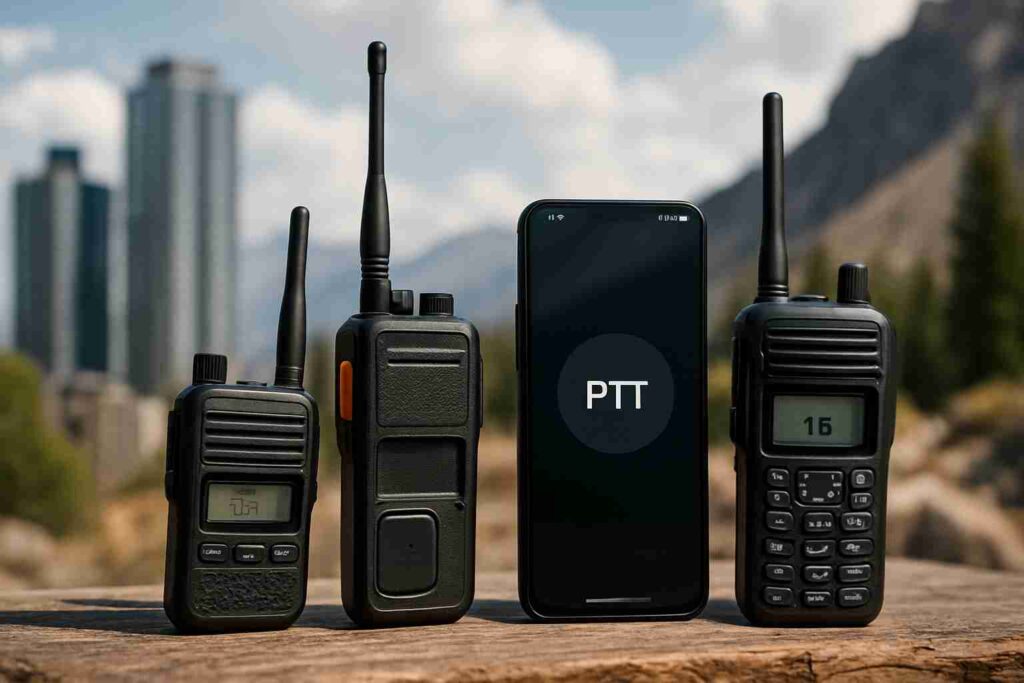
In today’s rapidly evolving environment, clear and efficient communication is indispensable. From radios to devices utilizing instant voice communication technology, bidirectional radio communication tools facilitate smooth exchanges, guaranteeing swift and precise message delivery. This piece explores the wide range of two-way wireless transmission systems, their functioning principles, and their vital functions in numerous contexts, highlighting their importance in contemporary communication frameworks.
The Basics of Two-Way Radios
Two-way radios capture the core of effective real-time communication systems with their basic operational principles. Originating in the early 1900s, these devices enabled users to exchange information over specific channels, unlike traditional broadcast receivers that only capture transmissions. Operating on a range of allocated frequencies, these radios effectively cater to multiple industries. They are essential in fields like law enforcement, emergency response teams, and leisure activities, providing instantaneous connectivity when time is critical.
The hallmark of these devices is their use of half-duplex communication systems, which means communication happens in turns—one participant speaks while the other listens—contrasting with full-duplex setups such as telephones that allow simultaneous talking and hearing. This straightforward approach makes them ideal for high-stress situations, guaranteeing messages remain brief and unambiguous.
Careful frequency management for radios is vital due to shared signal spaces, as it minimizes interruptions and maximizes clarity. Organizations depending on these radios coordinate via effective frequency control to avoid communication overlap. From the dynamic environment of event coordination to the strategic complexities of disaster management, two way communication devices remain indispensable to operational effectiveness.
Push-to-Talk Devices in Modern Communication
Push-to-Talk (PTT) technology has transformed the way we utilize two way communication devices, evolving classic walkie-talkies into advanced tools embedded within contemporary smartphones and applications. Functioning as part of semi-duplex communication networks, PTT devices enable communication in only one direction at a time, similar to traditional walkie-talkies. By harnessing cellular networks, these tools offer instantaneous connectivity, making them essential across multiple sectors.
In construction, PTT devices allow site supervisors and teams to communicate effortlessly, boosting both safety and productivity. The hospitality industry benefits from faster staff interactions that improve guest experiences, while emergency responders depend on PTT for rapid action and maintaining public safety.
Among the key benefits of PTT technology in two way communication devices is its capacity to deliver immediate connections with just a button press. This speed is vital in scenarios where every second counts. Moreover, Cellular network-based PTT removes geographical limitations, guaranteeing dependable communication wherever coverage exists. This flexibility highlights why these devices remain crucial in today’s communication environment.
Exploring Advanced Two-Way Communication Systems
The realm of two way communication devices has been transformed by innovations like digital wireless communication platforms and trunked communication systems. Especially for expansive organizations and government bodies that demand dependable and protected wireless connectivity, these state-of-the-art communication technologies reshape interaction dynamics. Users benefit from digital RF communication systems that provide enhanced capacity and superior audio clarity, effectively overcoming the common drawbacks of traditional radios such as signal interference and restricted coverage.
By dynamically assigning channels, trunked wireless technology offers a clever communication approach that guarantees uninterrupted exchanges even during times of heavy traffic. This proves vital for operations involving extensive teams or time-critical messaging.
Additionally, these platforms improve confidentiality by employing encryption, a key element when managing classified or delicate data. Their architectures frequently include automated bandwidth management, which streamlines communication flows without the need for manual adjustments.
As adaptability and durability become essential in large-scale endeavors, digital and trunked radio networks serve as perfect solutions to maintain flawless connectivity. In today’s digital revolution, more organizations turn to these advanced two way communication devices to address their sophisticated and changing requirements, ensuring constant connection, awareness, and security.
Two-Way Communication Devices and Their Applications
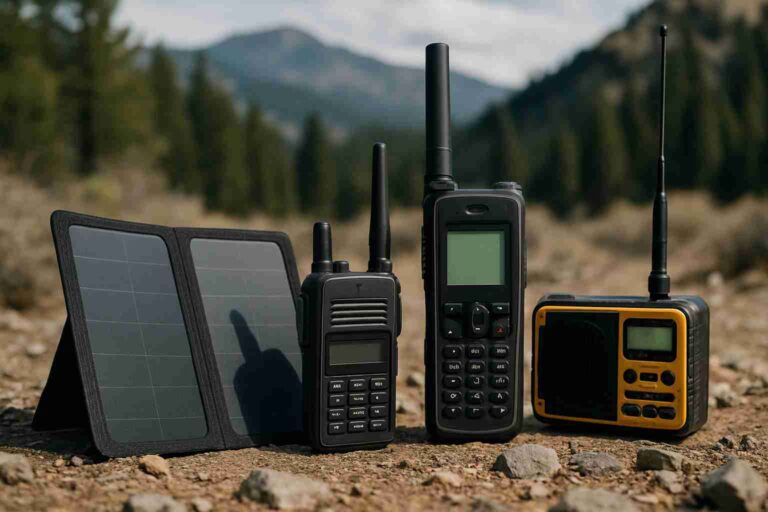
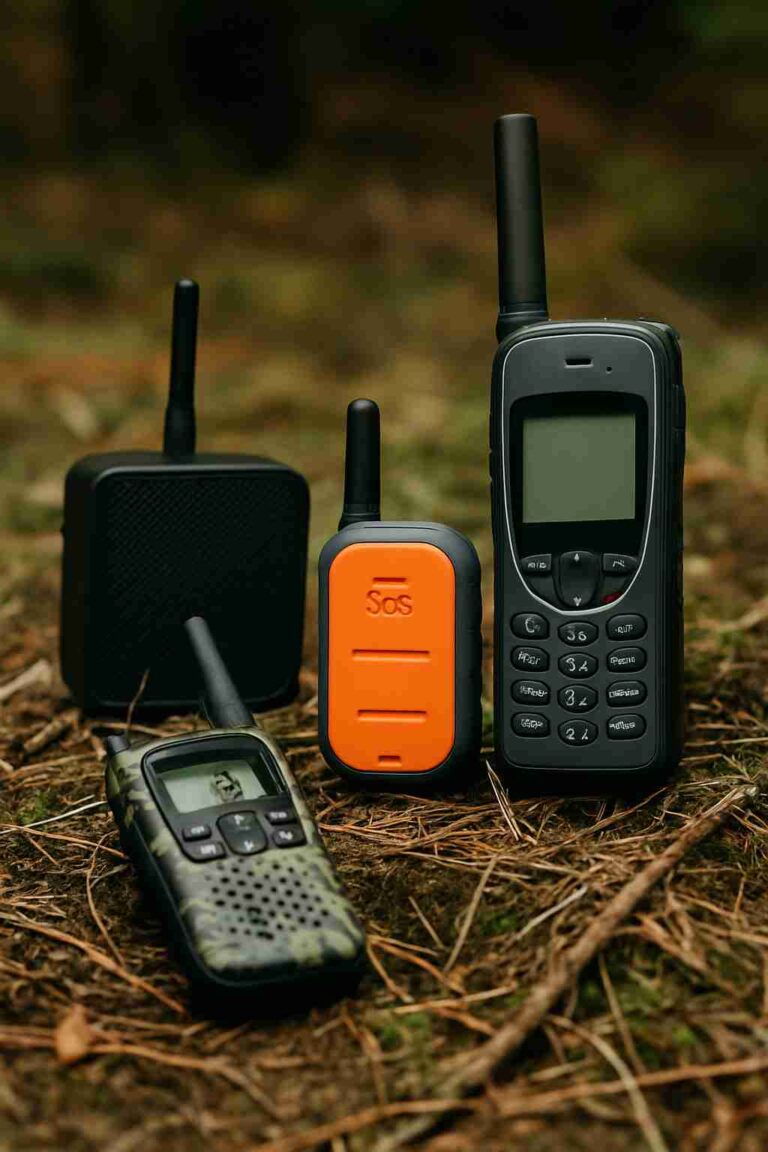
The wide array of bidirectional radio communication ranges from portable two-way radios for outdoor activities to sophisticated base stations, each tailored with distinct features to meet specific settings. Compact walkie-talkies for field communication are perfect for outdoor enthusiasts who require a dependable connection with their team. Their rugged handheld transceivers for outdoor environments and limited-range capacity make them ideal companions for hiking or camping expeditions.
On the other hand, automotive two-way messaging systems serve those traveling, providing extended coverage by employing external antennas and boosted transmission power. Such vehicle interactive communication solutions are vital in logistics and public transit sectors where ongoing contact is key for smooth operations.
Base transceiver station communication secures communications at stationary sites, delivering broad coverage combined with sophisticated features such as encrypted wireless communication for protected conversations. They prove crucial in managing emergency management communication systems or large-scale event coordination.
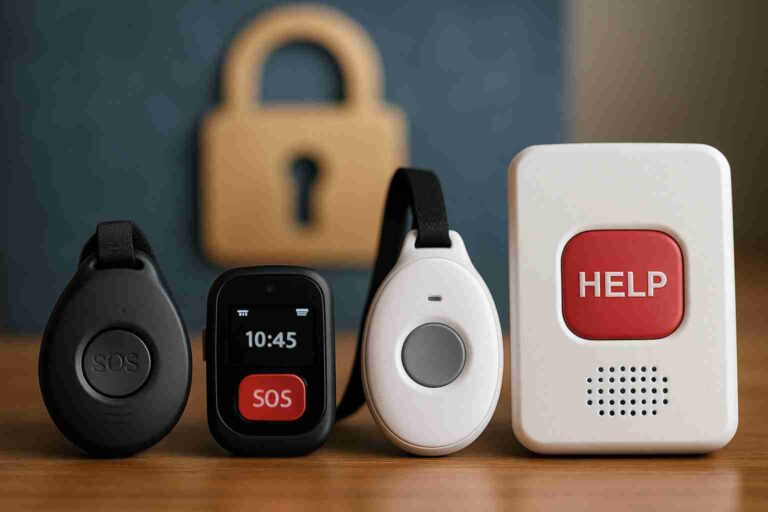
Beyond their primary role as connection facilitators, these devices frequently incorporate extras like GPS-enabled two-way communication devices, excelling in situations requiring exact location details. For tasks such as search and rescue, bidirectional radio communication enhances collaboration and accelerates response, demonstrating their indispensable function in reliably linking individuals across diverse scenarios.
The Future of Two-Way Communication
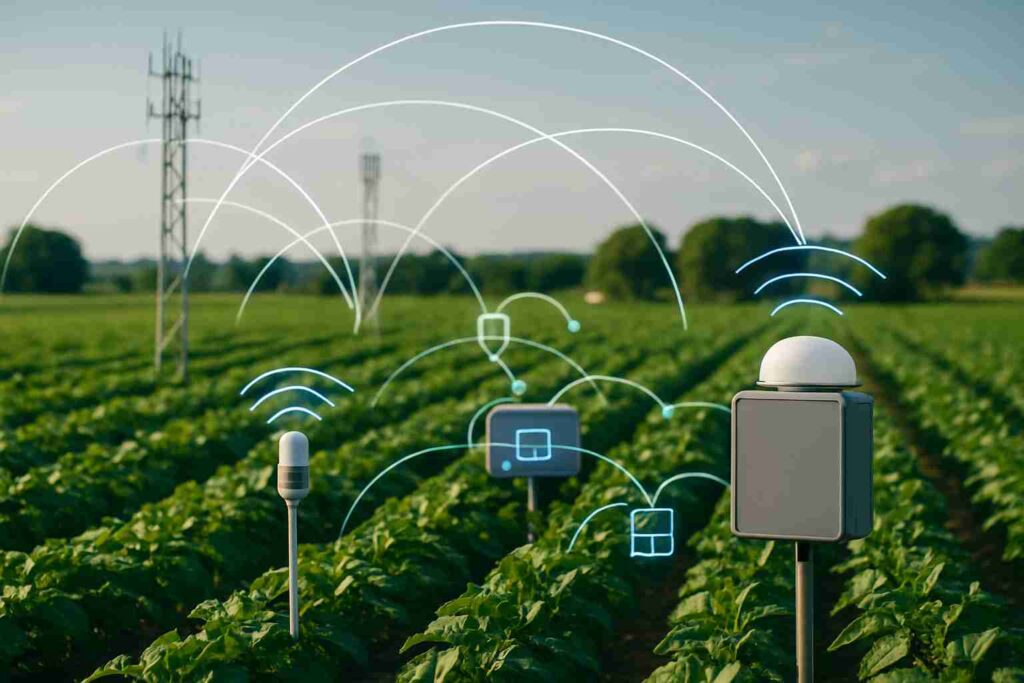
Looking ahead to the prospects of bidirectional systems, breakthroughs that blend Artificial Intelligence (AI), the Internet of Things (IoT), and satellite communications are emerging. By enhancing signal precision and user-friendliness, AI makes user interactions smoother and more natural. Imagine devices seamlessly embedding AI-powered language translation, instantly dismantling communication barriers worldwide. Connectivity through IoT fosters inter-device dialogue, creating ecosystems where two-way communication devices collaborate with smart networks to streamline operations, such as automatically alerting key responders in urgent situations.
Satellite communication technology stands apart by offering coverage in locations unreachable by conventional infrastructure, enabling connectivity in remote areas and at sea. Together, these innovations are set to transform personal and professional landscapes by delivering immediate responses and expanding communication reach. The effect will be substantial—boosting safety with swift emergency alerts and raising efficiency in sectors heavily dependent on coordination, including logistics and public services. Ongoing progress ensures these devices stay accessible and increasingly integrated, strengthening the connectivity framework that unites diverse user communities globally.
Conclusions
In today’s environment, bidirectional radio communication devices are essential instruments, enabling not only everyday dialogues but also vital interactions during emergencies. Users who grasp their functioning, uses, and innovations can utilize these technologies to improve both personal and business communications. Looking ahead, the evolution of interactive communication systems promises more advanced capabilities, cementing two-way systems as lasting foundations for efficient connectivity.