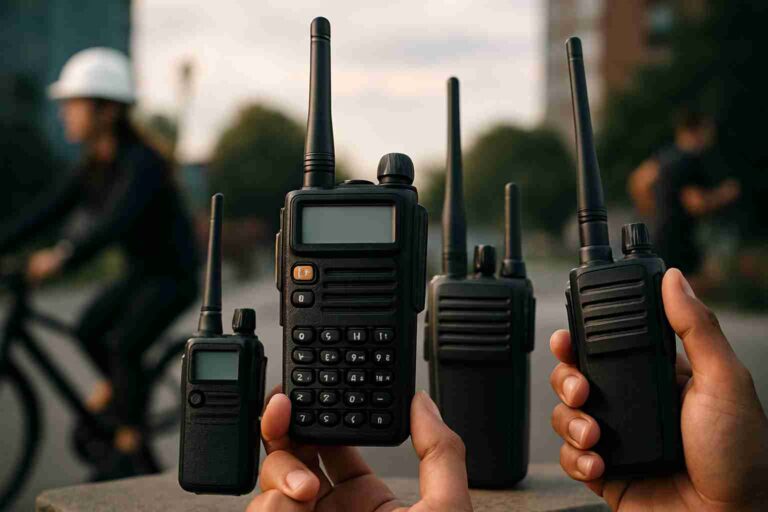
Medical alert devices and personal medical alert systems have become crucial instruments for protecting individuals, especially older adults and those with health conditions. These tools vary from basic emergency alert pendants to advanced GPS-enabled medical alert systems and fall prevention devices for seniors. This article explores the attributes, advantages, and innovations of these lifesaving solutions, guiding you in making well-informed choices about personal safety technologies.
The Evolution of Medical Alert Devices
Since their debut, the realm of medical alert systems for seniors has experienced a remarkable transformation, fueled by the pressing aim to enhance protection for at-risk groups, especially the elderly. Originally, these devices were quite basic, created for those living solo who might need prompt aid during emergencies. Early versions included simple push-button transmitters worn as pendants or bracelets, which connected to a base unit hooked up to a phone line. When triggered, the device would notify emergency contacts or a monitoring service.
The primary driving force behind these initial designs was clear: to offer a critical aid line during urgent moments. Yet, as technology evolved, the functional possibilities of these systems expanded significantly. With the rise of an aging society, developers focused on improving both accessibility and responsiveness to meet the unique needs of elder care.
A pivotal advancement emerged with the integration of wireless medical alert systems. By moving beyond landline constraints, this innovation granted users more mobility without compromising safety. Cellular connectivity allowed these devices to work independently of traditional phone lines, boosting their flexibility and suitability across various living situations.
As digital technology progressed, so too did the sophistication of medical alert devices for older adults. Incorporating GPS technology marked a revolutionary step, enabling real-time location tracking that proved especially valuable for people with cognitive challenges like dementia who may wander. With these GPS-enabled units, caregivers and first responders can quickly pinpoint locations, ensuring timely assistance.
This progress was matched by the addition of automatic fall detection technology. Nowadays, many personal emergency response devices can automatically sense falls and send alerts without the user needing to press any buttons. Utilizing accelerometer sensors, this technology identifies sudden movements linked to falls, addressing one of the most frequent and serious risks facing seniors. This feature significantly elevates the safety net for older users.
Moreover, the advent of two-way voice emergency communication transformed the landscape even further. Enabling direct conversations between users and operators through the device adds vital context that can greatly influence emergency response effectiveness. This immediate communication channel helps responders grasp the situation promptly and clearly, improving outcomes.
Integration with smart home medical alert integration also represents a key stage in this evolution. Many of today’s systems connect seamlessly with home automation and health monitoring devices, delivering a holistic approach to safety and wellness management. Users and caregivers alike benefit from remote access to vital sign data and other health metrics.
These innovations highlight the swift progress from simple alert mechanisms to complex, interconnected emergency support systems. Far beyond just a push button, contemporary wearable emergency alert devices combine communication technology with healthcare breakthroughs. Their impact on elder care has been profound, allowing more seniors to maintain independent living while having reassurance that assistance is quickly reachable.
The current world of Emergency devices showcases the power of continual technological advances in addressing human needs. With ongoing enhancements such as GPS, fall sensing, and interactive voice communication, these devices not only boost security but also enhance life quality for their users. Looking ahead, emerging technologies promise even more exciting progress in protecting and supporting users, marking a dynamic new chapter in the journey of personal emergency response solutions.
Understanding Personal Emergency Response Systems (PERS)
Personal medical alert systems (PERS) are groundbreaking tools created to boost safety and autonomy for individuals, especially older adults and those with disabilities. By merging technology with easy-to-use features, these systems provide a dependable way for users to signal emergencies, offering reassurance to both themselves and their families.
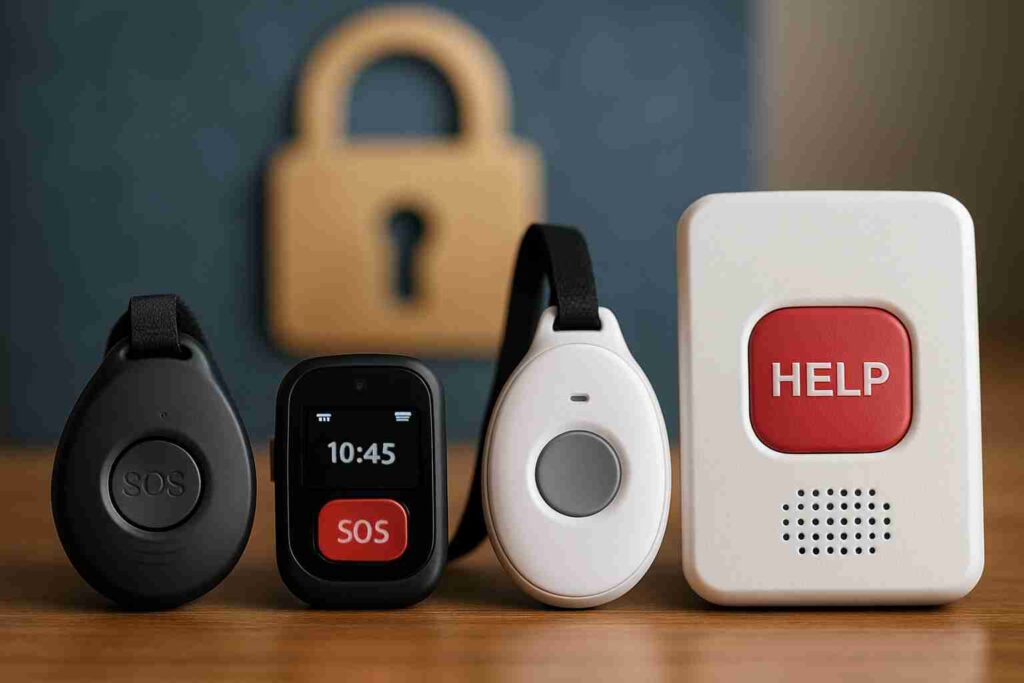
Central to these personal safety alert systems are two essential elements: the base station and the wearable unit. Typically connected to a phone line or cellular network, the base station acts as the communication center installed within the user’s residence, responsible for transmitting emergency signals to either a response center or emergency personnel. The wearable units—ranging from pendants to bracelets—are crafted for convenience and mobility, ensuring assistance is accessible with just a simple button press, wherever the user is inside their home.
The alert methods in personal medical alert devices are both cleverly straightforward and highly effective. The most direct system involves a button-activated alarm, allowing users to request help by pressing a button on their wearable. This uncomplicated design enables everyone, regardless of technical proficiency, to operate the device confidently. Recently, intelligent fall detection technology has been integrated, providing automated alerts triggered by events like inactivity or falls. These smart fall detection mechanisms often rely on sensors to notice irregular or absent movement, sending rapid and accurate signals of potential emergencies. This feature proves invaluable for seniors who might be unable to activate alerts themselves following a fall or incapacitation.
The primary users of these emergency response medical devices are older adults aiming to preserve their independence. Many aging individuals prefer remaining in their own homes rather than relocating to assisted living facilities, and PERS empowers them to do so with confidence and safety. These systems establish a crucial connection to emergency aid, reducing the anxiety associated with living solo. Beyond seniors, individuals with health conditions—such as epilepsy or diabetes—as well as those recovering from surgeries or living with disabilities, also greatly benefit from these devices.
In addition to addressing emergency situations, personal medical alert systems play a significant role in preventive health care. Relatives and caregivers experience less worry, knowing a reliable system guarantees prompt assistance if needed. This sense of psychological relief enables users to proceed with daily routines without the persistent fear that an emergency might go unnoticed.
The field of PERS is quickly advancing through the adoption of smart healthcare alert system integration. As this trend progresses, these devices are evolving beyond mere emergency tools to become integral components in comprehensive health monitoring strategies. They facilitate a deeper insight into daily habits and health indicators, laying the foundation for more proactive medical interventions.
Emergency devices, such as PERS, represent the movement toward marrying technology with personal care, carefully balancing swift emergency responsiveness with effortless usability. This growing harmony guarantees that while older adults and others with special needs maintain longer independence, their safety and wellbeing remain uncompromised. Indeed, PERS now stand as a vital part of the broader category of Emergency devices, showcasing how technology can positively influence personal health and security.
Wearable Technology in Emergency Devices
In modern healthcare, wearable technology has become a vital element, especially within emergency response and personal safety sectors. More than just offering convenience, these gadgets come equipped with intelligent technology that significantly boosts personal protection through critical monitoring.
By embedding accelerometers and gyroscopes into wearable gear, the approach to detecting and responding to falls—an issue frequently faced by older adults and those with specific health conditions—has evolved dramatically. While accelerometers assess movement, gyroscopes monitor orientation. Combined, they enable devices to recognize abrupt shifts in posture that suggest a fall. Upon detecting such an event, these wearables can instantly notify emergency responders or pre-appointed contacts, ensuring swift assistance and lowering the chance of serious injury. These notifications often include the wearer’s exact location, which helps responders reach them quickly and accurately.
Besides fall monitoring, wearable technology commonly incorporates heart rate tracking and other vital sign assessments. Devices like fitness trackers and smartwatches constantly observe heart rhythms, identify irregularities, and warn users about possible health complications. This ongoing surveillance is crucial for people managing chronic ailments such as arrhythmias or cardiovascular diseases, facilitating timely interventions.
The variety of options on the market has grown considerably. For example, the Apple Watch Series offers an FDA-certified electrocardiogram (ECG) feature along with fall detection functions. It also measures blood oxygen saturation, delivering an all-encompassing view of cardiovascular wellbeing. Likewise, the Fitbit Sense includes an ECG app, stress control utilities, and skin temperature tracking, making it a comprehensive health maintenance device.
The ability of these wearables to provide prompt alerts and support is profound. Research indicates that such devices can shorten emergency response intervals and promote proactive health habits. The continuous accumulation and evaluation of health data allow users to monitor trends over time, which can be shared with medical professionals to improve diagnosis and craft tailored care strategies.
More than practical gadgets, these Emergency devices are crafted focusing on comfort and seamless integration into daily life. Their sleek, stylish, and intuitive designs encourage regular use and adherence to health monitoring practices. As technology advances, wearables are increasingly able to connect with other health and smart home systems, offering enhanced support for those seeking to live independently while feeling secure.
Wearable technology’s influence on emergency management is unmistakably groundbreaking, merging sophisticated monitoring, effortless connectivity, and instant aid during critical moments. These innovations continually reshape personal health and safety norms, equipping users worldwide with essential tools to stay safe and well-informed every day. Alongside other Emergency devices and infrastructures, wearables play a crucial role in improving life quality and security for people globally.
Embracing GPS Technology for Enhanced Safety
The incorporation of GPS technology into cutting-edge medical alert devices for older adults and emergency response tools represents a major advancement in personal health and protection. By delivering accurate location tracking, GPS-enabled Emergency devices transform the speed and efficiency with which aid reaches those in urgent need.
For individuals suffering from dementia or cognitive decline, carrying a GPS-equipped device is often crucial. These at-risk populations frequently encounter confusion and wandering behaviors, which may place them in dangerous situations far from their familiar surroundings. GPS tracking offers reassurance to caregivers and family by allowing real-time monitoring of a loved one’s location. If the individual crosses a predetermined safe perimeter, instant notifications alert caregivers to take swift action, protecting their well-being and ensuring a prompt return. Many times, such devices have averted potential tragedies through timely intervention.
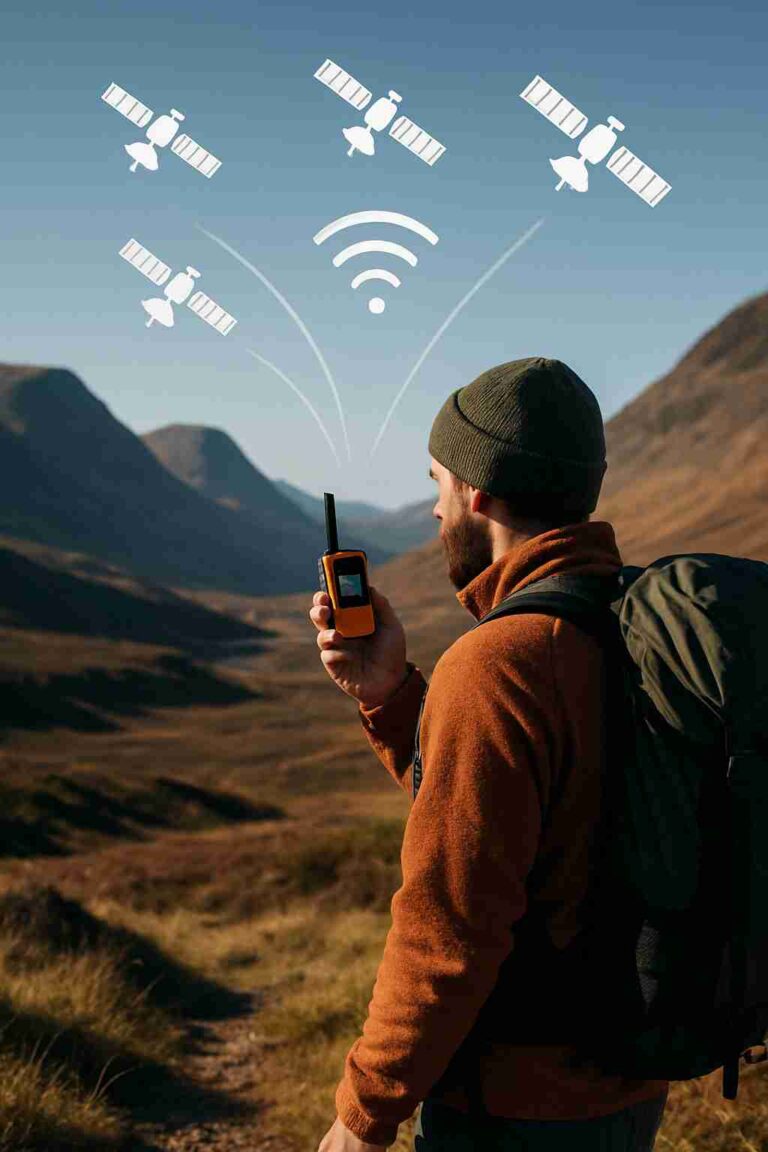
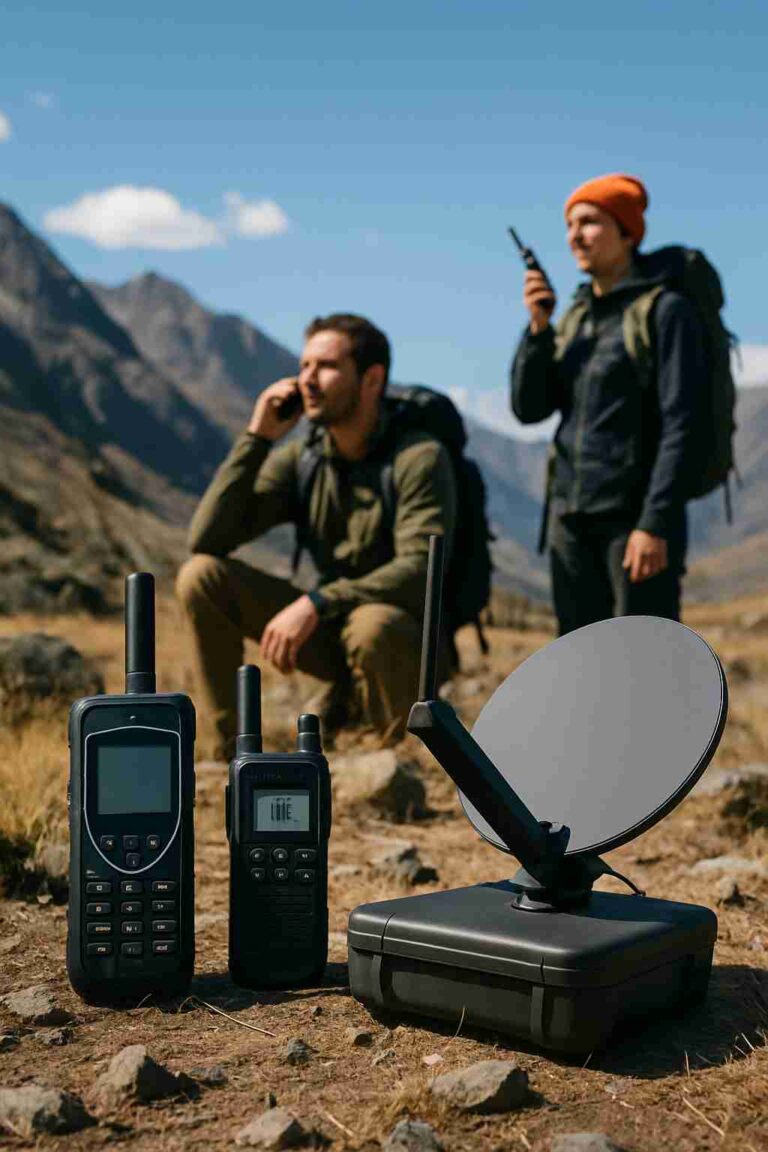
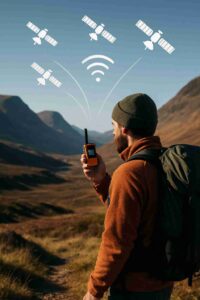
Active people — including hikers, runners, and explorers — gain considerable advantages from GPS-enabled Emergency devices. These tools provide comfort in knowing that if an accident happens in a remote or unpredictable environment, help is just a signal away. When falls or injuries occur, precise location data enables emergency teams to rapidly locate and assist, which can be life-saving. Whether a hiker is lost on an unfamiliar path or a cyclist encounters a solo crash, GPS technology effectively communicates their exact whereabouts, speeding up rescue efforts.
Real-life instances highlight the profound effect of GPS technology. Take, for example, an elderly gentleman with dementia who wandered off from home. Thanks to the GPS tracker he wore, his position was swiftly found, allowing family members to reunite with him safely within a few hours, thus avoiding a potentially critical event. Similarly, a solo mountain climber who suffered a fall during an expedition used his GPS device to send an emergency alert, helping rescuers reach him despite harsh terrain and adverse weather.
These examples underline how embedding GPS technology within emergency response systems enhances safety not only for those with specialized medical needs but also for adventurous individuals who may face hazards. By guaranteeing fast response times and accurate positioning, GPS-enabled devices stand as essential elements of modern emergency preparedness, offering users freedom and security. As this technology progresses, its role in protecting well-being and enabling rapid assistance is poised to grow, delivering increasingly comprehensive solutions for personal health and safety challenges.
The Importance of Fall Detection Devices
Within the field of advanced Emergency devices, fall detection solutions stand out as vital, especially when it comes to guarding the elderly against the severe consequences of unintentional falls. When seniors experience falls, it often results in serious health complications, including hospital stays or the need for extended care. Consequently, these devices act not only as preventative tools but also as crucial systems that guarantee rapid medical intervention.
At their core, fall detection devices function through sensors and algorithms that precisely recognize when a fall has taken place. Upon identifying movements typical of a fall, the system instantly notifies pre-appointed emergency contacts or emergency responders. This capability is essential because it significantly shortens response times, especially in cases where the individual cannot summon help themselves.
Technological progress has greatly improved these devices’ performance lately. By incorporating machine learning and AI-based fall detection technology, accuracy in detecting actual falls versus routine activities has been sharpened, reducing false notifications considerably. Moreover, these intelligent systems adapt continually by learning from user patterns and surrounding conditions, which increases their reliability over time.
Another major improvement is how fall detection devices now effortlessly connect with other Emergency devices and smart home systems. This integration offers users a more holistic safety network. Alerts can be delivered through various means such as smartphones, wearable emergency alert devices, and home automation platforms, creating a layered approach to safeguarding individuals.
Additionally, contemporary fall detection devices prioritize user comfort and lifestyle. Often designed to be both discreet and fashionable, they blend smoothly into daily routines without causing discomfort or disruption. This design focus encourages regular use, thereby boosting the system’s overall effectiveness.
Beyond fall detection, many solutions now come with extra health monitoring capabilities, including heart rate tracking and activity monitoring, giving caregivers and healthcare professionals valuable insights to tailor personalized care. These added functions also provide reassurance to users and their families by ensuring comprehensive health and safety tracking is readily available.
As technology continues to evolve, fall detection devices have become indispensable elements within modern health and safety frameworks. They empower especially older adults to retain independence while making sure assistance is promptly accessible during emergencies. This innovative convergence of healthcare and technology not only enhances safety but also promotes proactive, customized health supervision tailored to individual needs.
Choosing the Right Emergency Device for Your Needs
Understanding your individual needs is vital when picking the best Emergency devices for personal health and safety. With so many choices on the market, the selection process can feel overwhelming. Still, by concentrating on essential aspects such as user-friendliness, battery endurance, coverage range, and price, you can make your decision much easier.
Prioritizing ease of use is essential, particularly if the device is intended for users who might not be comfortable with technology. Devices featuring simple controls, clearly labeled buttons, or voice-activated commands stand out. These features support rapid response during emergencies, where every moment is critical.
Considering battery life is equally important. Choose devices that provide long-lasting battery performance to reduce how often you need to recharge or swap batteries. Some models even include low battery notifications, alerting users or caregivers in time to prevent power failure.
The coverage area matters a great deal, especially for individuals with active routines or those often on the move. Make sure the device you select offers broad coverage—whether it’s GPS-enabled for outdoor use or a home-based model with an extensive signal range.
Cost is a factor that cannot be ignored. It’s crucial to evaluate what each device delivers relative to its cost. Fees such as monthly subscriptions, activation costs, and any extra charges for advanced features deserve careful scrutiny. Finding a practical balance between expense and capability will ensure good value.
As technological advances continue, so do the functions of Emergency devices. Enhanced functions like two-way voice emergency communication can significantly improve a device’s usefulness, enabling direct contact with emergency responders or caregivers for swift assistance.
Water-resistant emergency equipment is another key consideration, particularly for users near water or in damp settings. Devices designed to withstand moisture maintain functionality despite exposure to splashes or spills.
Compatibility with smartphones or home automation systems can boost the device’s efficiency. Those that sync seamlessly with your existing technology offer greater convenience—imagine receiving device status updates or emergency alerts right on your smartphone.
Lastly, tailoring the device’s settings to your particular health needs and lifestyle preferences not only makes it more effective but also encourages consistent use. Individuals managing chronic conditions may benefit from devices capable of monitoring vital signs or providing medication reminders.
Choosing wisely means matching your circumstances with device features that best suit you. By thoughtfully assessing these elements, you can pick an emergency alert device that fits your current needs and adapts well to future changes in health or lifestyle.
Conclusions
Today’s selection of emergency response systems for elderly and personal medical alert systems provides unmatched reassurance and protection. By merging innovation, practicality, and dependability, these solutions empower individuals to live autonomously while safeguarding their well-being. When selecting the ideal device, it’s important to weigh both personal requirements and technological capabilities. In the end, these vital tools act as crucial lifelines, greatly improving safety for users and offering comfort to their families.