
In isolated locations, ensuring consistent communication often proves difficult. An innovative approach involves solar energy wireless mesh grids, which deliver dependable connectivity without needing conventional infrastructure. This article delves into the underlying technologies of these systems, outlines their core components, and highlights their revolutionary effects on self-sufficient communication networks.
What are Solar-Powered Mesh Networks?
Within the field of remote communication systems, the Solar-Powered Mesh Hub serves as a groundbreaking component in solar energy wireless mesh networks. By converting sunlight into usable power, these hubs ensure steady communication channels in sites where traditional electrical sources are limited. Their main advantage is their independence; after setup, they demand very little upkeep. Fueled by solar panels, the hub transforms solar energy into the power needed to sustain the activity of network nodes. Consequently, even in isolated locations, consistent connectivity is maintained, enabling smooth communication and easy access.
An exceptional characteristic of this hub is its ability to adapt. It smartly responds to changing conditions and user needs, safeguarding strong performance as situations evolve. Featuring self-forming and autonomous repair mesh network capabilities, the system reconfigures itself instantly, providing continuous service. This flexible design is crucial for delivering resilient communication outside standard internet access zones.
Moreover, the Solar-Powered Mesh Hub is built with scalability in mind. Adding more nodes increases the coverage footprint, effectively constructing a dependable network of connectivity. This growth-oriented mesh network station quality makes these hubs vital for promoting development and closing communication divides in rural and underserved regions.
Key Components and Functionality
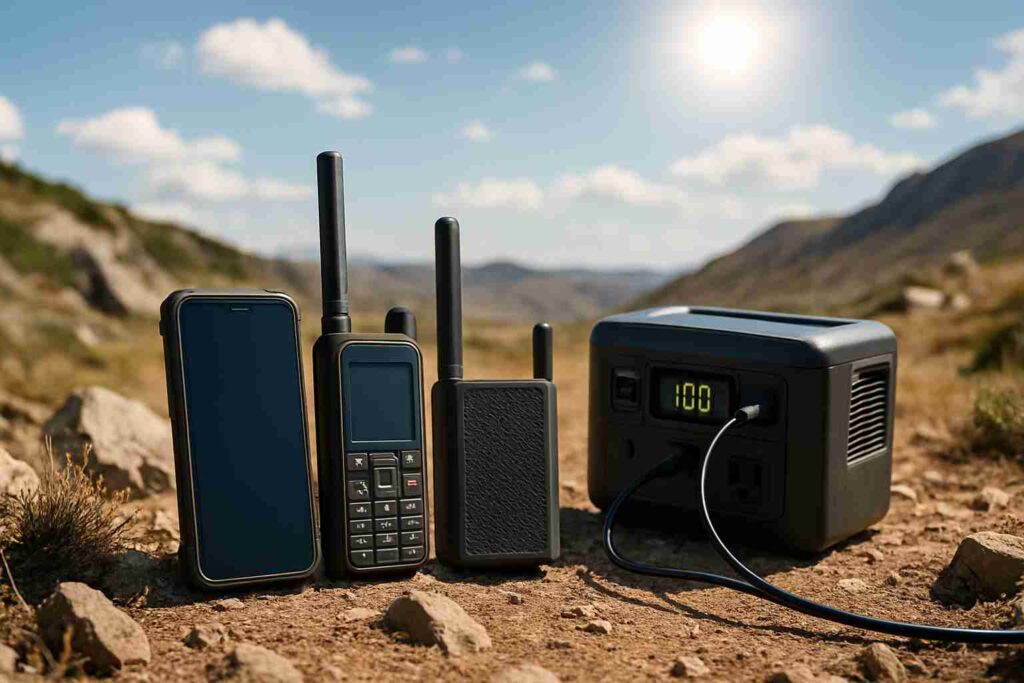
In solar-driven mesh communication systems, blending advanced technology with renewable energy is essential to maintain uninterrupted communication in remote settings. Central to these systems is the Solar-Powered Mesh Hub, a critical element that combines solar panels, energy storage units, and Wi-Fi nodes. The solar panels capture sunlight and convert it into electrical power to run the setup, while batteries hold energy to keep the system active during nighttime or overcast conditions. Acting as the communication framework, Wi-Fi nodes enable the transfer of data among connected devices. Extended-range wireless repeaters significantly enhance signal coverage, pushing beyond the usual range of standard nodes. This amplified reach keeps remote locations linked without interruption. The collaboration of solar panels, durable batteries, and Wi-Fi nodes, as embodied by the Solar-Powered Mesh Hub, ensures a resilient network. This foundation not only supports communication but also empowers it to function independently from conventional power grids, promoting reliable standalone communication infrastructures and responding to the growing demand for eco-friendly technological advancements.
Applications and Benefits of Off-Grid Communication
Integrating solar energy-based mesh networks into remote communication systems introduces groundbreaking uses that surpass traditional applications. During natural catastrophes, these platforms act as crucial crisis communication platforms, facilitating contact when usual infrastructure collapses. Remote scientific research facilities gain significant advantage by utilizing Solar-Powered Mesh Hubs, ensuring uninterrupted data exchange without relying on bulky power sources. Furthermore, this technology can empower rural education development by delivering reliable internet access, thereby enriching the learning atmosphere.
One key benefit is their autonomy from centralized power grids. By tapping into the sun’s energy, these networks provide continuous connectivity even in the most remote locations. The deployment of long-distance wireless signal boosters extends coverage, linking nodes across broad areas while preserving signal quality. Additionally, powering mesh nodes with solar energy drastically cuts environmental footprints, supporting worldwide sustainability initiatives.
Communities embracing these innovative, green wireless infrastructure solutions can establish resilient and independent connectivity, bolstering essential services and growth in parts once considered unreachable. The contribution of Solar-Powered Mesh Hubs to transforming distant communication is invaluable, offering an effective and scalable path to close the digital gap.
The Meshtastic Project: A Case Study
The Meshtastic initiative highlights the impressive capabilities of solar energy-based autonomous communication. Rooted deeply in a grassroots philosophy, it flourishes through community-driven innovation and ongoing advancements in its technology. Central to this system is the Solar-Powered Mesh Hub, serving as a crucial element that facilitates uninterrupted connectivity without relying on traditional infrastructures. Meshtastic employs LoRa direct device communication to enable extensive communication ranges, essential for accessing remote location connectivity where conventional networks often fail.
Its practical uses cover numerous real-life situations. Consider remote expeditions depending on reliable channels for coordinated group efforts or urgent communication. Whether hiking teams, isolated area researchers, or disaster relief units, they frequently utilize this technology to maintain contact over expansive distances without cellular dependence. The solar energy aspect of the Solar-Powered Mesh Hub not only reduces ecological footprints but also grants the essential independence needed for standalone deployments.
By providing decentralized communication networks that function independently from the grid, the Meshtastic project exemplifies a movement toward more durable and autonomous communication systems. It stands as a symbol of innovation, showcasing how renewable energy can transform connectivity and create a future where even the most secluded places remain linked to the wider world.
Future Prospects and Challenges
As solar-powered mesh networks progress, so does their capacity to transform connectivity in hard-to-reach places. The adoption of the Solar-Powered Mesh Hub demonstrates this shift, utilizing solar energy to function independently from conventional power infrastructures. These innovations are set to improve both the reach and efficiency of mesh networking systems. By capitalizing on solar power, these hubs can be installed in a variety of settings—from remote villages to large-scale outdoor gatherings—providing a dependable communication network without relying on expansive infrastructure.
Yet, challenges remain on the horizon. Since sunlight is essential, solar energy wireless networks might face reliability issues in areas prone to extended cloudiness or rainfall. To address this, implementing robust energy storage solutions and fine-tuning energy use are critical steps. Additionally, sustaining uninterrupted line-of-sight between nodes becomes difficult in landscapes filled with thick vegetation or uneven terrain. Breakthroughs in terrain-adaptive mesh networking and self-adjusting network topologies offer hopeful avenues to surmount these difficulties.
Looking ahead, the fusion of mesh networking systems with IoT devices points to a future where remote monitoring, smart farming, and wildlife protection initiatives gain from instantaneous data exchange powered by Solar-Powered Mesh Hubs. These collaborations are poised to extend the influence of solar-powered mesh networking beyond mere communication, reshaping the way we manage and engage with the environment.
Conclusions
Solar energy wireless connectivity solutions provide a versatile and sustainable approach for autonomous communication networks. By harnessing solar power, they bring rural network access to remote locations, enabling vital functions from disaster communication solutions to scientific research. Although weather variability poses some limitations, these systems stand as a hopeful prospect for dependable and eco-friendly communication infrastructures.