In today’s arena of defense operations and strategic planning, ensuring effective communication stands as a critical priority.
Headsets and various tactical communication systems are essential for maintaining smooth connectivity and coordination. This detailed guide explores the diverse range of military communications gear, expert evaluations, and their vital role in boosting the success of missions.
Understanding Tactical Communication Devices
When delving into the realm of tactical communication systems, we explore the vital equipment that contemporary military operations depend on for efficient messaging. Enabling smooth, real-time data sharing is the primary objective of these tools, which is essential for coordination and safety in rapidly changing and often hostile situations.
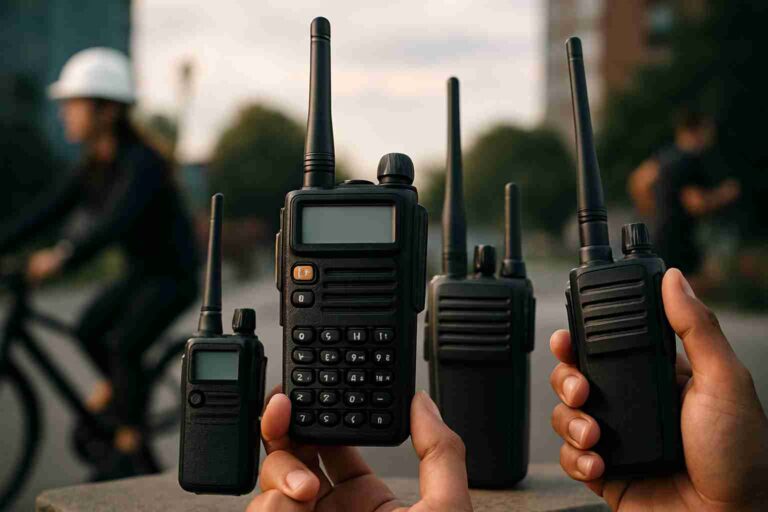
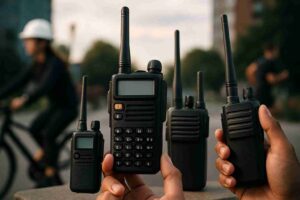
Radios serve as the foundation of combat communication technology, providing a dependable medium for extended-range voice transmission. These sturdy units have progressed remarkably, integrating sophisticated encryption to guarantee secure communication. Often handheld or vehicle-mounted, modern military radio devices are engineered for resilience in adverse environments and continue to operate where other tech might fail. The ability to interoperate across various frequency bands and platforms is crucial, allowing personnel to stay connected despite terrain or distance challenges.
Paired frequently with these radios, defense-grade tactical headsets improve situational awareness and comfort for operators in the field. They enable clear communication even amid ambient noise and support hands-free use — a vital capability when mobility is critical. In tactical settings, these headsets are equipped with features such as noise cancellation and enhanced hearing protection, which are indispensable for maintaining focus amid the noise of active missions.
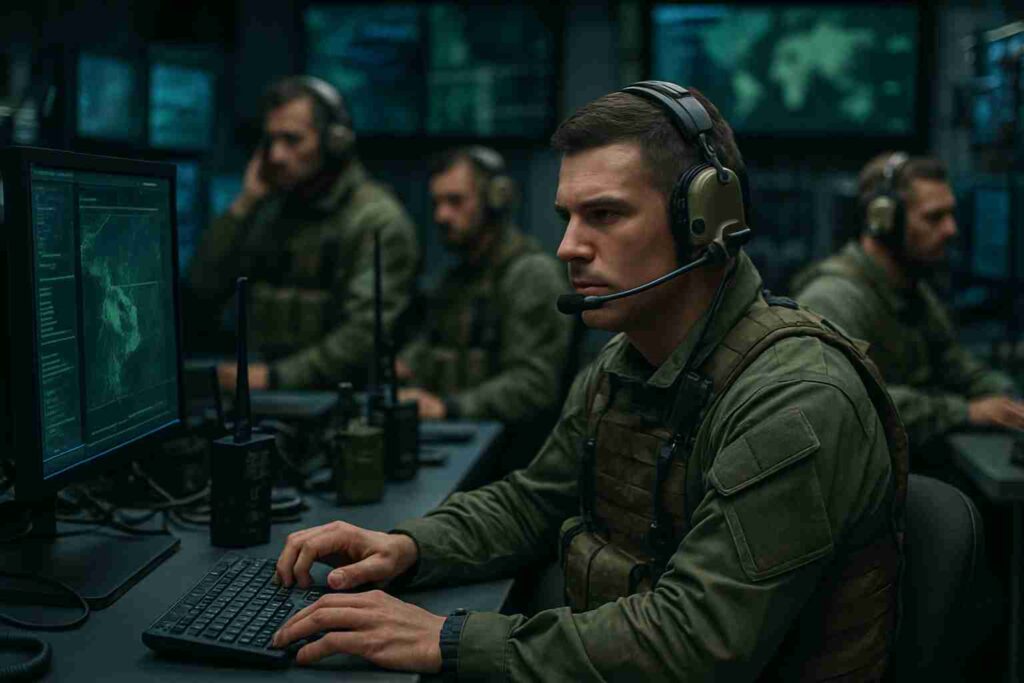
At the forefront are unified tactical communication platforms that integrate multiple devices into a seamless network. Such systems often include wearable units linked to sensors or GPS, delivering a comprehensive view that channels essential information back to command centers. This integration ensures all participants, from front-line troops to remote coordinators, operate with shared intelligence, greatly improving mission outcomes.
Moreover, these networks are increasingly intelligent, employing artificial intelligence in tactical communication to anticipate and resolve communication disruptions proactively. Flexibility is also key, with customization tailored to specific mission demands. This connectedness extends to allied units, facilitating smooth interaction regardless of differing equipment.
In operational environments, these tools must function reliably under diverse conditions—from the icy peaks of mountains to the scorching heat of deserts. Such ruggedness is fundamental, as is simplicity in use; these devices must operate efficiently without requiring complex user input. Rapid deployment and intuitive operation are essential, especially when responsiveness can mean life or death.
Looking ahead, next-generation tactical communication equipment continues to advance, focusing on reducing physical load while enhancing field performance. As detailed in tactical communication gear reviews, future developments emphasize lighter materials, longer battery endurance, and improved user interfaces. By prioritizing interoperability and common standards, these innovations aim to further streamline communication, ensuring forces respond swiftly and effectively to emerging threats.
Grasping the critical role of these devices in operations is essential to understanding their technological evolution. As warfare transforms, so too must the military communications equipment that supports it, making communication a steadfast pillar of modern defense capability. Those seeking deeper knowledge can explore tactical communication gear reviews for detailed insights into the features of each system and a glimpse into the future of tactical engagements.
Key Features of Tactical Headsets
In tactical operations, effective communication is absolutely vital. Providing armed forces communication tools and law enforcement with state-of-the-art tactical communication headsets significantly boosts their capacity to stay aware of their surroundings and work together smoothly, even under the most challenging conditions. To satisfy these intense requirements, tactical headsets have developed a range of essential features that highlight their critical role in high-pressure situations.
Noise Cancellation: Advanced noise suppression technology stands out as a key attribute of contemporary combat communication headsets. For operatives in loud settings—whether on aircraft, bustling urban areas, or active combat zones—this feature is indispensable, as ambient noise might otherwise mask vital audio messages. Active noise cancellation employs microphones and speakers to neutralize background sounds, allowing crystal-clear communication. Meanwhile, passive noise reduction depends on the shape and materials of the headset to block external noise. Often, these methods are combined to optimize performance, guaranteeing operatives receive instructions or alerts with outstanding clarity.
Durability and Versatility: Resilience is a must for tactical communication equipment. Built using tough materials, these headsets resist water, dust, and shock. For military and police professionals, headsets that function reliably in extreme weather and rugged environments are essential. Adaptability also matters greatly since the devices must suit different mission demands. Many headsets support seamless connections to multiple communication tools like radios and smartphones. This adaptability allows users to switch or pair devices effortlessly without compromising communication.
Comfort: Comfort in tactical headset design is more than just convenience—it’s crucial. Since personnel often wear these headsets for long hours, any discomfort can reduce concentration and slow responses. Ergonomically designed components, adjustable headbands, and cushioned ear pads work together to offer a secure fit that lessens fatigue. Lightweight construction prevents strain, and breathable fabrics keep perspiration at bay. How comfortable a headset feels can directly influence an operative’s effectiveness, making it a vital consideration when choosing gear.
Next, we explore some top-tier models that embody these features and have earned acclaim in tactical communication gear evaluations.
Comparison of Top Models:
– Peltor ComTac Series: Celebrated for its sophisticated noise suppression, the Peltor ComTac line includes voice-guided menus and situational awareness functions. It skillfully mixes ambient sounds with communication audio, helping operatives stay connected to their environment while receiving critical commands. This balance is indispensable during fast-paced operations where awareness can determine success or failure.
– OPS Core AMP Communication Headset: Known for its modular design, this headset lets users attach or detach components depending on mission needs. It delivers excellent noise filtering and integrates smoothly with helmets and other tactical gear. The design prioritizes user-friendliness and rapid adaptability, key for versatile missions.
– Silynx Clarus Pro: Optimized for lightweight comfort, the Clarus Pro is an in-ear option praised for its exceptional audio clarity and noise cancellation. It features a sleek, minimal design without sacrificing durability, perfect for teams needing discreet yet fully functional equipment.
Impact on Operational Effectiveness:
High-caliber tactical headsets improve communication accuracy by reducing misunderstandings and ensuring all team members receive instant updates with ease. By boosting situational awareness, these devices facilitate swift reactions to new threats, enhancing coordination and safety. In contexts such as rescue efforts or military engagements, clear communication is often a matter of life and death.
Ongoing innovations in tactical communication technology are reshaping how military and police units operate. Motivated by user feedback and tactical communication gear reviews, future models will likely offer deeper integration with emerging communication platforms, improved environmental adaptability, and heightened user comfort. As these advancements progress, tactical headsets will remain central to operational preparedness and success.
Evaluating Tactical Communication Systems
Within the domain of tactical communication, the progression from simple radio sets to complex satellite communication networks marks a technological revolution that is continuously reshaping military and law enforcement operations across the globe. Early defense communication equipment was limited by restricted bandwidth, short range, and the necessity for line-of-sight operation, much like the walkie-talkies commonly used in mid-20th-century conflicts. Although groundbreaking at the time, these traditional military radio devices appear rudimentary by modern standards. They offered basic voice communication which, despite its straightforwardness, established the foundation for more sophisticated communication frameworks.
With ongoing advancements, combat communication equipment developed to incorporate frequency agile radios, encryption to secure transmissions, and improved range and portability. In contemporary scenarios, such systems have transformed into elaborate networks that merge ground radios with satellite platforms, facilitating uninterrupted communication over extensive distances. This transformation not only boosts operational efficiency but also significantly optimizes the strategic allocation of resources across diverse terrains.
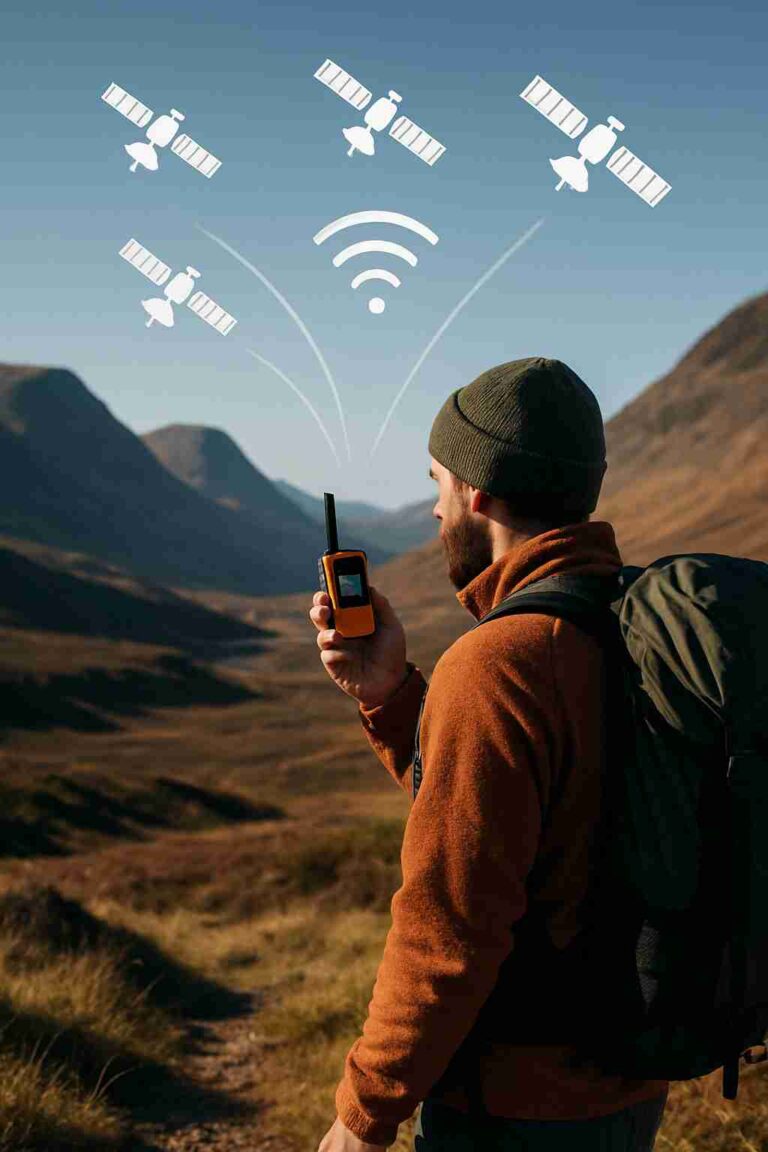
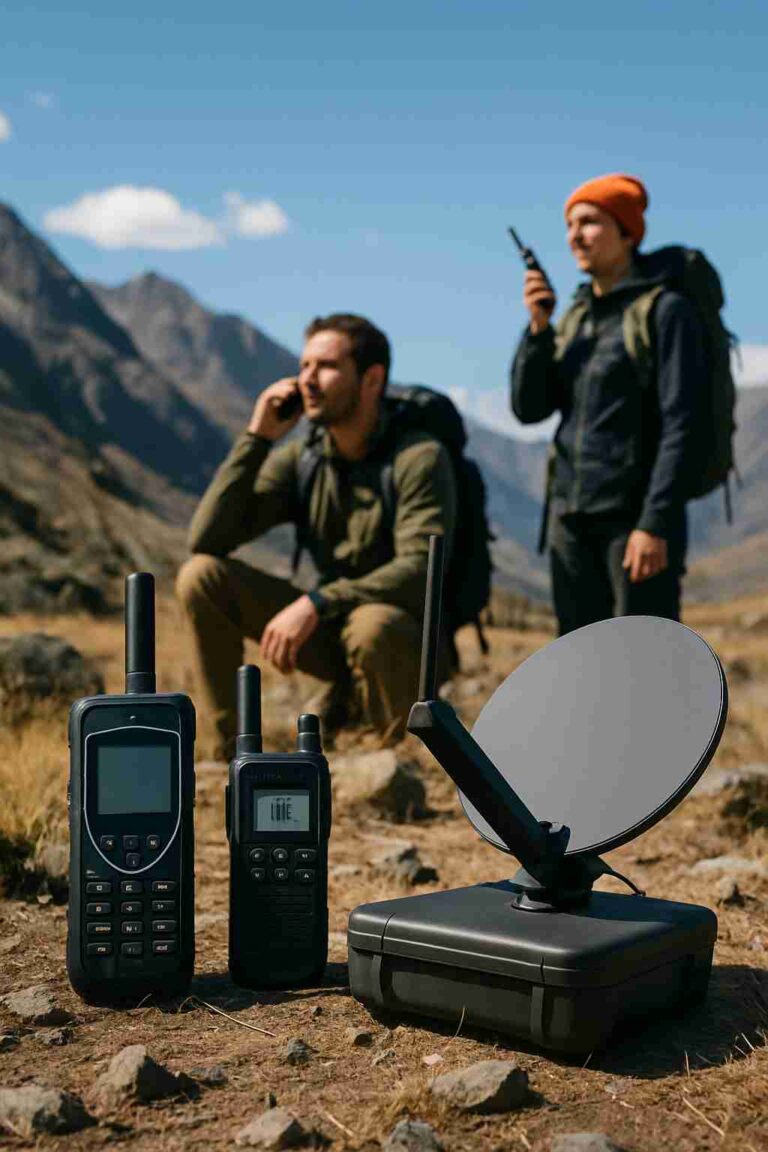
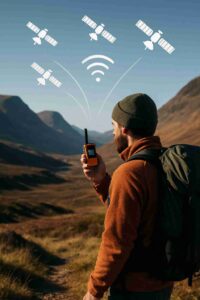
Today’s tactical communication landscape includes advanced satellite systems enabling long-distance communication beyond line-of-sight. These networks leverage satellite constellations such as Iridium and GPS to maintain seamless communication channels. Such technological progress is crucial, especially during reconnaissance tasks where immediate data exchange between command posts and field units is imperative.
The adoption of digital communication pathways and data links has driven these systems even further forward. Modern military communication radios and sophisticated communication protocols support simultaneous voice and data transmissions. This dual functionality is vital for modern combat scenarios, where access to live data can be the difference between mission success and failure. High-frequency digital radios can now send video, positioning information, and other critical data, making them essential for both battlefield engagements and civilian tactical functions like disaster management and public safety operations.
Currently, the melding of tactical communication systems into unified tactical communication platforms reflects a prominent trend in defense operations. The principle of network-centric warfare highlights the necessity for interoperability among various communication tools. Smooth connectivity between diverse devices—from classic handheld radios to vehicle-mounted communication systems and satellite links—facilitates real-time data sharing critical for situational awareness.
This advancement is also paired with an increased focus on secure communication protocols. Safeguarding sensitive information through encryption is a top priority. Modern tactical communication systems utilize sophisticated cryptography to ensure data confidentiality and integrity, preventing unauthorized breaches and protecting crucial mission data.
Looking to the future, the influence of artificial intelligence for tactical communications is steadily growing. AI-driven tactical communication systems can improve decision-making by processing large volumes of information to deliver actionable insights. Meanwhile, innovations in durable, rugged hardware cater to the demanding environments faced by field operators who rely on dependable equipment.
Furthermore, these defense communication technologies are extending their compatibility with commercial networks and devices. This development enables seamless integration with everyday consumer gadgets such as smartphones and tablets, offering users a familiar interface along with robust tactical functionalities.
In conclusion, the domain of tactical communication is characterized by relentless innovation and flexibility. With every technological advancement, these systems become increasingly vital to modern tactical endeavors, enhancing connectivity, collaborative data exchange, and situational awareness necessary for successful outcomes. These improvements are scrutinized in tactical communication gear reviews, which provide valuable perspectives on both challenges and opportunities within the field. Moving forward, the emphasis remains on driving innovation to keep pace with the evolving demands of military and tactical operations. The expert assessment found in tactical communication gear reviews offers essential guidance for individuals and organizations committed to leading advancements in tactical technology.
Tactical Equipment Reviews: Top Picks
By examining expert tactical communication gear reviews, a thorough assessment of current offerings identifies key pieces of equipment crucial for boosting operational efficiency. Our evaluation exposes the advantages and drawbacks of several leading devices, emphasizing the equilibrium among performance, dependability, and affordability that characterizes the sphere of tactical communication solutions today.
At the forefront are high-performance secure communication headsets engineered for clarity and endurance. The Peltor ComTac XPI distinguishes itself with integrated ambient listening capabilities, enabling users to maintain environmental awareness even in loud settings. Its rugged tactical headset specifications are standard issue for numerous special operations units, underscoring its resilience in challenging conditions while providing seamless Bluetooth connectivity for contemporary digital missions. Ultimately, field operatives consider its combination of comfort and sturdy auditory defense essential during prolonged assignments.
Within the scope of defense communication devices, the AN/PRC-158 shines due to its multi-channel functionality and straightforward integration with advanced communication networks. Crafted with user-friendly tactical communication equipment interfaces, it supports rapid configuration adjustments amid evolving scenarios. Its compatibility with satellite communication systems guarantees coverage across extensive distances, a vital trait for infantry squads deployed in difficult terrains. This radio’s modular architecture is not only effective but also cost-efficient, adapting to diverse mission demands without excessive expenditure.
When weighing adaptability against cost efficiency, the Clear-Com DX210 stands out as an excellent selection for command teams that require trustworthy full-duplex communication systems. Operating within secured frequency bands, it minimizes interference and eavesdropping risks. Furthermore, it facilitates team-based, multi-channel communication, streamlining complex operations through an intuitive interface. Its sturdy construction paired with an attractive price point makes it a favored option for leaders seeking reliable, scalable tactical communication solutions.
For those pursuing revolutionary military-grade communication tools, the Silynx Clarus PRO deserves attention. It offers exceptional audio fidelity combined with active noise cancellation and can operate seamlessly across diverse platforms. Its lightweight, flexible design meets the dynamic requirements of reconnaissance units, providing both wired and wireless tactical communication systems options. However, this premium model carries a higher cost, reflecting its sophisticated features intended for elite operatives.
In the end, every product in this varied assortment presents distinct advantages suited to particular operational demands. Whether it’s the rugged reliability demanded by special forces, the versatile adaptability required by infantry, or the strategic oversight essential for command teams, tactical communication technology remains vital for mission accomplishment. By aligning equipment choices with field requirements, military units can strike an effective balance between performance, reliability, and budget considerations. Utilizing insights from tactical communication gear reviews, leaders can ensure their personnel are not only equipped but empowered with superior communication apparatus.
Choosing the Right Tactical Gear for Your Needs
When it comes to picking the appropriate tactical communication systems, beginning with a clear evaluation of your exact mission demands is essential. Communication needs vary significantly depending on the operation. For example, special forces units typically require highly encrypted military-grade communication platforms with secure channels, whereas conventional infantry may value sturdy, straightforward devices more. Missions involving covert activities should prioritize gear that features noise suppression military gear and discreet usage options.
Environmental factors play a major role in deciding the right equipment. For missions in extreme weather or high-humidity zones, choosing weather-resistant combat radios designed to endure such harsh conditions is critical. Dust and sand can severely impair military radio transceivers, so seek equipment boasting IP ratings that guarantee water and dust resistance. In cold environments, battery performance can suffer, making energy-efficient designs or units with extended battery life more advantageous.
Budgetary limits are also a key factor. Although top-tier models might be tempting, balancing expenditure with operational necessity is crucial. Focus on must-have features like range, sound clarity, and ruggedness. To maximize budget efficiency, consider renewed military communication devices from trusted brands, which often provide excellent performance without the premium cost. Just be sure a dependable warranty or support plan accompanies your purchase.
Ensuring compatibility with existing gear is vital for seamless integration. Before buying, take stock of your current defense communication equipment and pinpoint the frequencies and technologies in use so new units integrate smoothly without interference. For example, if your setup includes Bluetooth-capable devices, adding compatible defense communication headsets can enhance communication efficiency. Confirm that new items align well with your current inventory concerning size, connectors, and user interface.
A practical approach to acquiring optimal tactical communication equipment is researching and reviewing multiple tactical communication gear reviews. Insights from actual field operators often go beyond specs, revealing usability and real-world dependability. Whenever possible, attending field demonstrations or tests can yield valuable firsthand knowledge.
Moreover, emphasize devices featuring future-proof tactical communication technologies. As defense communication systems advance, selecting gear capable of firmware updates or modular expansion safeguards long-term usability. Equipment supporting emerging digital protocols and software upgrades will stay relevant and adapt to evolving mission parameters.
Ease of use must not be neglected. Intuitive user interfaces allow operators to make quick adjustments without navigating complex menus—a critical advantage in high-stress situations where every second counts.
Lastly, prioritize manufacturers that provide thorough support, including comprehensive manuals, training programs, and prompt technical assistance. Responsive customer service can significantly boost operational readiness by resolving problems swiftly, minimizing downtime, and optimizing equipment performance.
Remember, investing in the right tactical communication gear is an investment in your mission’s success. Focus on tools that enhance communication effectiveness and preparedness to ensure you’re always equipped for upcoming challenges. Delve into a variety of tactical communication gear reviews to make informed choices tailored to your particular environment and requirements.
Conclusions
From headsets to complex systems, defense communication equipment plays a vital role in ensuring the success of military operations. These tools facilitate clear messaging, improve safety measures, and enhance teamwork. By choosing and understanding the appropriate tactical communication systems, users can greatly increase their operational effectiveness and efficiency, ultimately achieving mission success even in demanding conditions.