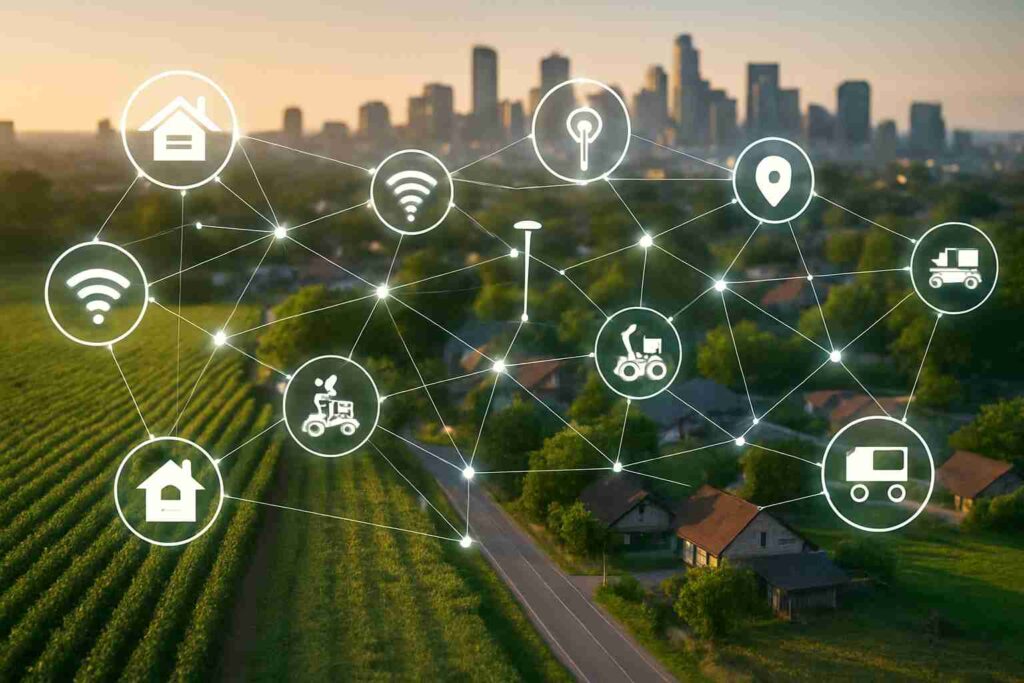

Meshtastic devices are revolutionizing communication in remote and off-grid locations by leveraging LoRa technology for low-power, long-range text messaging. This article explores the best Meshtastic devices available, their features, and how they can empower individuals and communities to stay connected where cellular or Wi-Fi networks are absent.
Understanding Meshtastic Technology and Its Applications
The landscape of devices compatible with meshtastic has expanded, offering a diverse array of hardware tailored for dependable off-grid communication. At its core, many of these devices leverage development boards based on widely supported microcontrollers such as the ESP32 and the nRF52840. These components provide the computational foundation, enhanced by integrated LoRa radio modules that enable the long-range, low-power transmissions that define meshtastic networking.
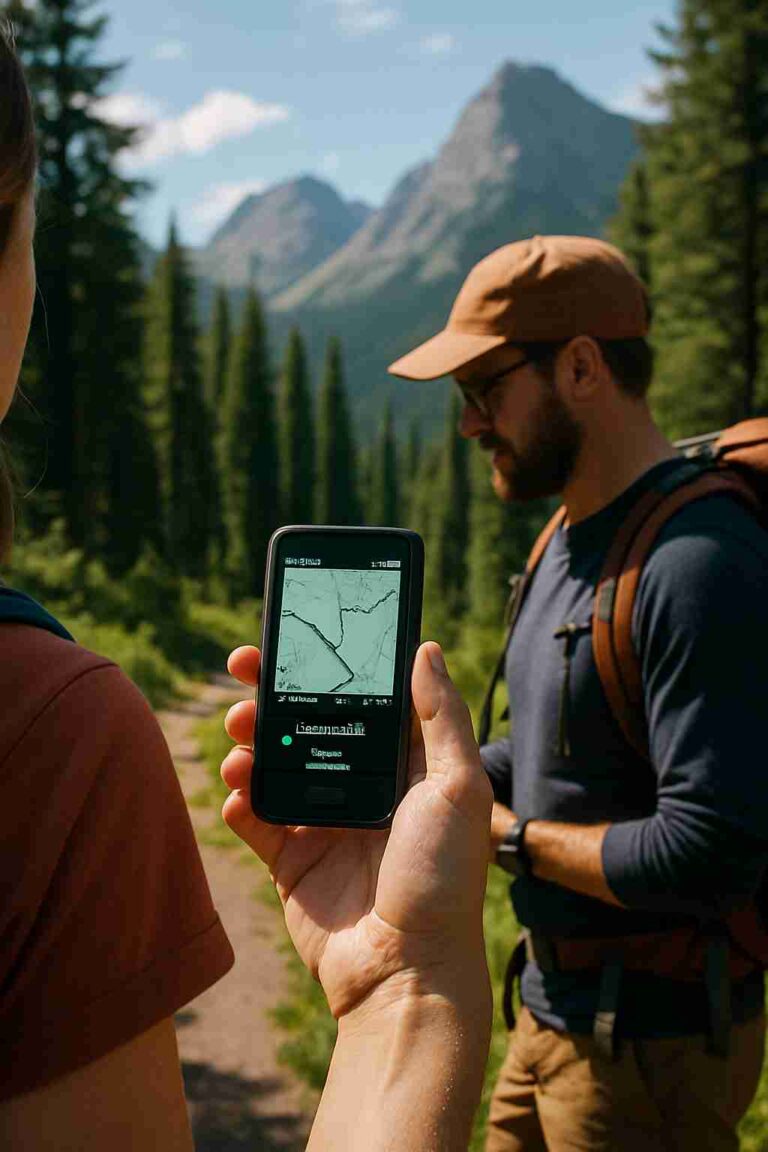
ESP32-based devices are particularly favored due to their robust Bluetooth capabilities and Wi-Fi support, which serve as vital bridges for device configuration and app connectivity. The nRF52840 platforms stand out for their energy-efficient ARM Cortex-M4 cores, benefiting users who prioritize prolonged battery life during extended outdoor excursions or field operations. Both hardware types support seamless integration with GPS modules, furnishing accurate location tracking—a critical feature that enriches applications like hiking or coordinated emergency response.
Beyond DIY boards, several commercial meshtastic kits and purpose-built devices have emerged, aiming to simplify setup while maximizing performance. Products like the T-Beam series incorporate powerful LoRa radios, GNSS receivers, and displays in a compact, rugged form factor. These kits often ship with pre-flashed firmware, reducing barriers for newcomers and enabling instant mesh participation. The range capabilities of these devices can reach several kilometers line-of-sight, although actual distances depend heavily on terrain and antenna setups.
Bluetooth connectivity on these devices enables control and messaging through companion mobile apps, vastly improving user experience by providing intuitive interfaces for network management and message exchange. This integration also facilitates firmware updates and configuration tweaks without demanding specialized technical skills. Crucially, communities around these devices contribute extensive documentation, firmware modifications, and troubleshooting guides, nurturing an ecosystem where both casual users and professional responders find tailored solutions.
Device choice directly impacts the mesh’s resilience and usability: higher-quality radios increase link stability and range, while efficient power management extends operational time between charges. For outdoor enthusiasts, compact, all-in-one units that balance battery life and GPS accuracy prove invaluable. Conversely, emergency teams may prioritize ruggedness and extensibility, incorporating external antennas or batteries for sustained field deployment. Understanding these nuances ensures users select devices best suited to their unique communication needs across diverse off-grid scenarios.
Top Meshtastic Devices and Their Key Features
Among the array of devices that empower meshtastic networks, certain hardware platforms have emerged as favorites for their balance of versatility, performance, and community backing. Central to many setups are development boards built on the ESP32 and nRF52840 chipsets. These microcontrollers pair LoRa radios for robust long-range connectivity with Bluetooth Low Energy for easy configuration and interaction via mobile apps. The ESP32, celebrated for its dual-core processing power and flexible interfacing capabilities, offers a wide ecosystem of modules and peripherals, making it a top choice for tinkerers seeking customizable solutions. Depending on the variant, features like integrated GNSS receivers enable precise location tracking—an essential attribute for outdoor enthusiasts and rescue teams needing real-time positioning within the mesh.
The nRF52840 chips, meanwhile, are distinguished by their ultra-low power consumption and advanced Bluetooth 5 support, which facilitate seamless pairing with smartphones and tablets. This ensures that device control remains intuitive and accessible, even for users unfamiliar with embedded development. Some custom boards merge these elements into turnkey solutions tailored specifically for meshtastic communication. Commercial kits often boast ease-of-setup workflows out of the box, including preloaded firmware and app compatibility. Their LoRa modules are optimized for extended range—often exceeding 10 kilometers line-of-sight—while battery management systems enhance operational life in the field, minimizing the need for frequent recharging.
Beyond hardware specs, community-driven projects have played a pivotal role in refining device designs and firmware. The vigorous support forums and regular updates equip users of all levels with resources to optimize performance and troubleshoot issues. Importantly, the choice of device directly impacts the mesh’s efficiency. Boards with stronger antennas and higher transmission power tend to sustain a more resilient network, reducing dead zones and ensuring messages hop reliably across nodes. For diverse user groups—from solo hikers prioritizing lightweight gear to emergency response teams demanding rugged reliability—this variety enables tailored solutions. In all cases, devices offering a harmonious blend of connectivity options, power efficiency, and user-friendly management form the backbone of effective meshtastic technology deployments.
Choosing the Right Meshtastic Device for Your Communication Needs
Selecting the optimal device for your meshtastic setup requires a thoughtful evaluation beyond basic specs. Begin by defining your communication range needs—longer distances in rugged terrain typically mean investing in devices with higher power output and sensitive antennas. For forested or hilly environments, multiple nodes might be necessary to maintain a robust mesh, as terrain can obstruct direct line-of-sight signals. This leads to considering device quantity: a reliable mesh usually benefits from redundancy, where extra units fill coverage gaps and strengthen network resilience.
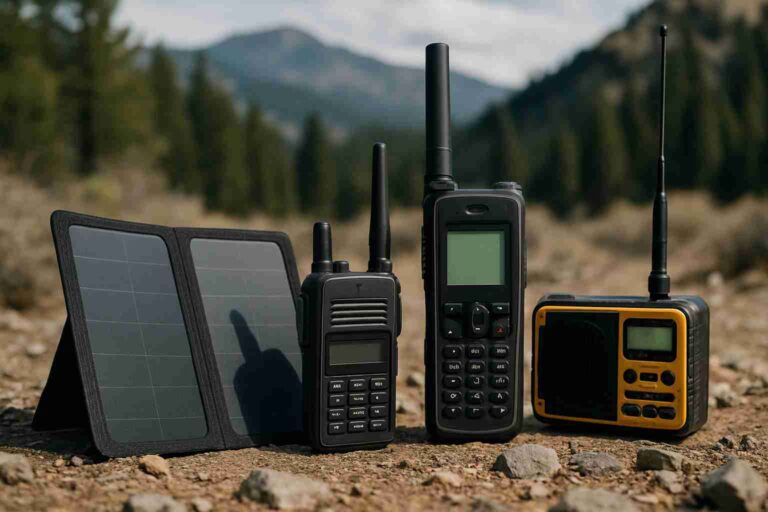
Power consumption is another pivotal factor. Meshtastic Devices with larger batteries or those designed for low power draw extend operational time, critical for off-grid use. Assess whether your scenario demands rechargeable units, solar compatibility, or easy battery swapping. Balancing battery life with communication range often guides the choice between compact, energy-efficient models and more powerful, bulkier alternatives. Connectivity options also matter—while LoRa radios form the backbone of long-range links, Bluetooth or Wi-Fi capabilities offer handy local control and device updates, enhancing user experience.
The placement of devices plays a crucial role in network performance. Aim for elevated, unobstructed locations to maximize line-of-sight, and distribute nodes evenly so signals hop smoothly across the mesh. Be mindful of potential interference sources like dense metal structures or electronics that could degrade signal quality. Mitigating network congestion involves configuring transmission parameters thoughtfully; too many simultaneously active devices can cause bottlenecks, so deploying an appropriate number of well-spaced units helps maintain throughput.
Budget considerations inevitably influence decisions. Prioritize features aligned with your core needs—advanced sensors and GNSS modules might be indispensable for search and rescue, whereas casual hikers may opt for simpler, more affordable setups. Moreover, stay engaged with the meshtastic community and regularly update the device firmware to benefit from ongoing improvements and security patches. For beginners, starting with standard kits and leveraging community tutorials eases the learning curve. Conversely, advanced users can experiment with custom configurations and network optimization tools to tailor the mesh precisely to their unique scenarios.
By meticulously weighing these factors—range, power, connectivity, placement, congestion, budget, and support—you can craft a meshtastic mesh network that is both effective and resilient, empowering off-grid communication with confidence. This informed approach ensures your setup aligns seamlessly with your specific communication needs, maximizing reliability in any environment.
Conclusions
Meshtastic devices harness the power of decentralized, low-power LoRa networks to offer dependable communication in off-grid environments. By understanding the technology and carefully selecting the best hardware suited to individual needs, users can create robust mesh networks that maintain connectivity where traditional systems fail. This innovation opens new possibilities for safety, adventure, and community resilience in remote areas worldwide.