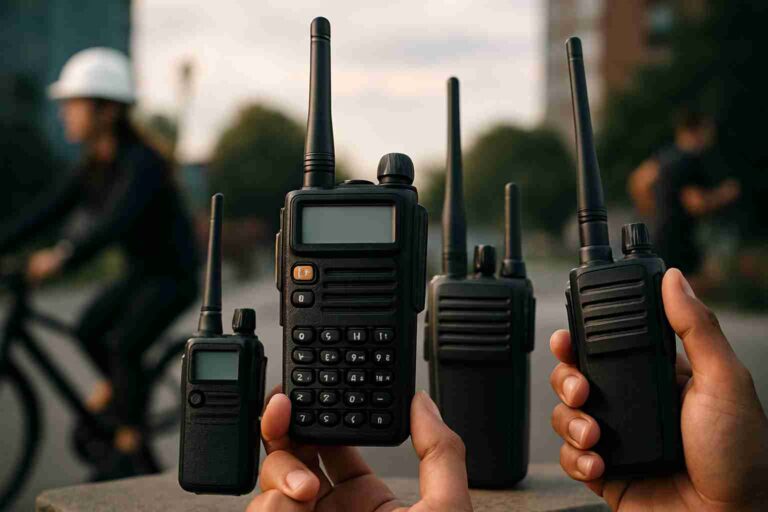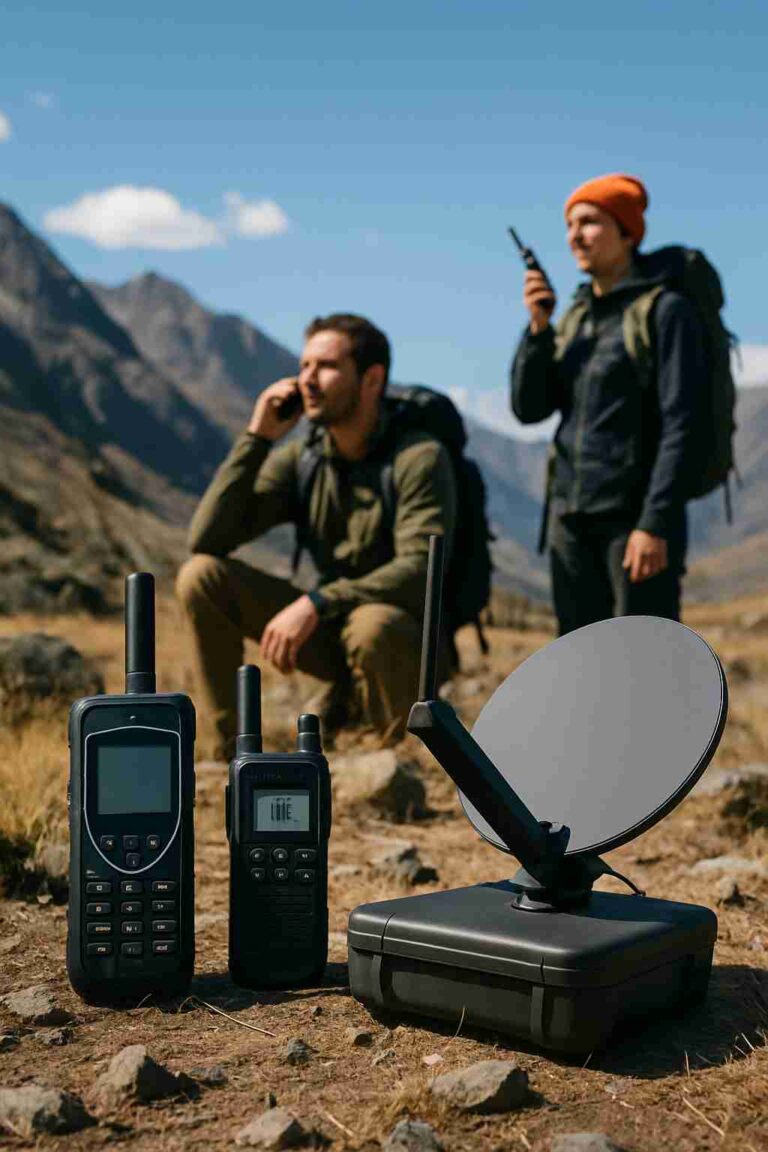

Meshtastic offers a unique solution for decentralized communication using low-power, long-range LoRa technology. Ideal for off-grid environments, it enables seamless text messaging without relying on traditional networks. This article explores the best Meshtastic devices, their applications, and how they benefit users both at home and in outdoor settings.
Understanding Meshtastic Technology and Its Key Features
Several standout devices define the best in the meshtastic ecosystem, offering practical solutions for both home environments and outdoor adventures. These devices harness robust hardware designs and versatile features to ensure dependable communication, especially when standard networks are unavailable.
Among commercial boards, purpose-built units like the TTGO T-Beam have gained widespread popularity. These compact devices combine an ESP32 microcontroller with integrated LoRa radios and a GNSS module, enabling precise location tracking alongside extended-range messaging. The inclusion of Bluetooth ensures seamless pairing with smartphones, making status updates and messaging highly accessible. The T-Beam’s rugged casing provides resilience against the elements, perfect for hiking or camping trips.
Development kits based on the nRF52840 platform also offer compelling options. While more suited for enthusiasts comfortable with customization, these boards boast energy-efficient components that extend battery life significantly. Such longevity is key for users relying on steady communication during multi-day outdoor excursions or grid-independent home setups. Their modular design supports expansion with additional sensors or power sources, adapting to various use cases.
Performance-wise, devices offering integrated GNSS stand out by adding valuable features like real-time location sharing and geofencing, which enhance safety and coordination. Bluetooth compatibility across most top devices simplifies user experience by linking hardware with mobile apps that handle messaging and configuration effortlessly.
When selecting devices for home backup communication, units with extended battery life and stable indoor reception matter most. Conversely, outdoor-focused devices prioritize ruggedness, weather resistance, and high transmission power to cover uneven terrain over long distances. Price points vary, with commercial offerings generally balancing cost and functionality, while development kits demand more technical involvement but reward with flexibility.
Innovations are ongoing, with upcoming meshtastic hardware introducing features like improved antenna designs, solar charging integration, and enhanced app ecosystems. These advancements promise to make off-grid communication increasingly reliable and user-friendly.
Overall, choosing the right hardware depends on the intended application, whether it’s a resilient home network or a lifeline on remote trails. In all cases, these devices encapsulate the strengths of decentralized technology and modular design, empowering users to maintain communication wherever they go.
Top Meshtastic Devices for Home and Outdoor Adventures
Among the array of meshtastic devices, several stand out as leaders in supporting reliable off-grid communication for both home use and outdoor activities. Commercial purpose-built boards such as the T-Beam have garnered attention for their integration of high-performance LoRa radios and GNSS modules, enabling precise location tracking alongside text communication. The T-Beam’s rugged design makes it an excellent companion for hikers and campers, handling rough environments without sacrificing battery efficiency. Its Bluetooth connectivity ensures straightforward interaction via dedicated smartphone apps, making status checks and messaging accessible without specialized gear.
Development kits like the TTGO LoRa series also remain popular for those seeking customizable solutions. These kits typically center around ESP32 or nRF52840 chips offering ample processing power and expanded firmware support. While less polished in appearance than commercial boards, they provide more flexibility for experimental setups or specific use cases requiring additional sensors or customized power management. Their cost-effectiveness attracts hobbyists and tech-savvy users creating robust, expandable mesh networks at home or in the field.
When comparing popular devices, key factors include communication range, which can span several kilometers under ideal conditions; battery life, varying from hours to days depending on usage patterns and power-saving features; price, which ranges from affordable development boards around $30 to more feature-rich units exceeding $100; and expandability, as some devices support modular add-ons like external antennas or solar panels.
For home backup networks, devices with extended battery life and reliable Bluetooth app integration are ideal, ensuring the network stays active during outages. Outdoor adventurers will prioritize rugged, waterproof enclosures and GNSS for safety tracking during remote excursions. Some newer innovations focus on improving user interfaces and optimizing power use, such as adaptive transmission settings that balance range and battery longevity dynamically.
Collectively, these hardware options demonstrate a maturing ecosystem where meshtastic technology is increasingly accessible, versatile, and tailored to both everyday and specialized communication challenges. As the community continues to iterate, emerging devices promise even greater performance with user-friendly features to support a broader range of off-grid communication needs.
Maximizing Benefits and Practical Tips for Using Meshtastic Devices
Effectively setting up and using meshtastic devices starts with thoughtful node placement. For a robust mesh network, strive to position nodes where physical obstacles like walls, trees, or hills are minimal, as these can hinder radio waves and reduce signal strength. Elevating nodes, for instance, mounting them on poles or high ground, helps maintain line-of-sight connections, which significantly improves message delivery speed and reliability. In environments cluttered with obstructions, spacing nodes closer together can counteract signal loss, effectively creating a resilient chain of communication links.
Common use cases highlight meshtastic’s versatility: it excels for emergency communication when conventional cell service fails, supports outdoor group activities like hiking or camping where cell coverage is sparse, and benefits community networks where independent, private communication is essential. Users should plan for bandwidth constraints—since the network operates over low-power radios, the data throughput is limited. Prioritizing concise and relevant messages avoids overwhelming the system. Also, be mindful when many users share the network; spreading active devices across different nodes helps manage traffic and reduce collisions in data transmission.
Integration with existing technology ecosystems enhances usability. Pairing meshtastic devices with smartphones via Bluetooth apps offers a seamless interface to configure settings, send messages, and track locations. Some users connect their mesh networks to internet gateways, allowing selective bridging between off-grid radio networks and online communication channels, thus extending reach without losing mesh independence.
Regular firmware updates are crucial for long-term reliability and new features. Users should ensure they download official updates from trusted sources and keep their devices current to benefit from security patches and performance enhancements.
For off-grid enthusiasts and community organizers valuing resilient and independent communication, meshtastic provides a powerful tool. By understanding environmental factors, managing user traffic thoughtfully, and integrating with complementary technology, users can maximize network reliability and make the most of this transformative communication approach.
Conclusions
Meshtastic devices represent a powerful choice for anyone needing reliable, off-grid communication. Their low-power, long-range mesh networks shine in both home backup scenarios and rugged outdoor environments. By choosing the right devices and employing smart setup strategies, users can unlock seamless messaging wherever traditional networks fail. As Meshtastic hardware and software continue to evolve, their potential impact on independent connectivity only grows stronger.