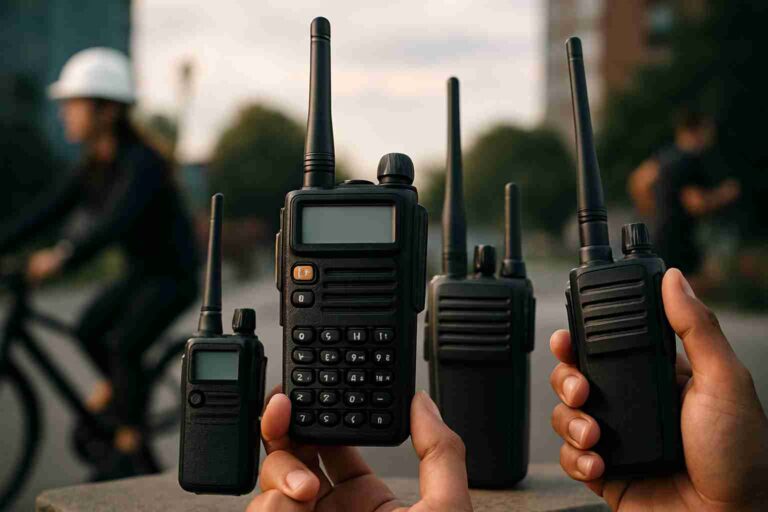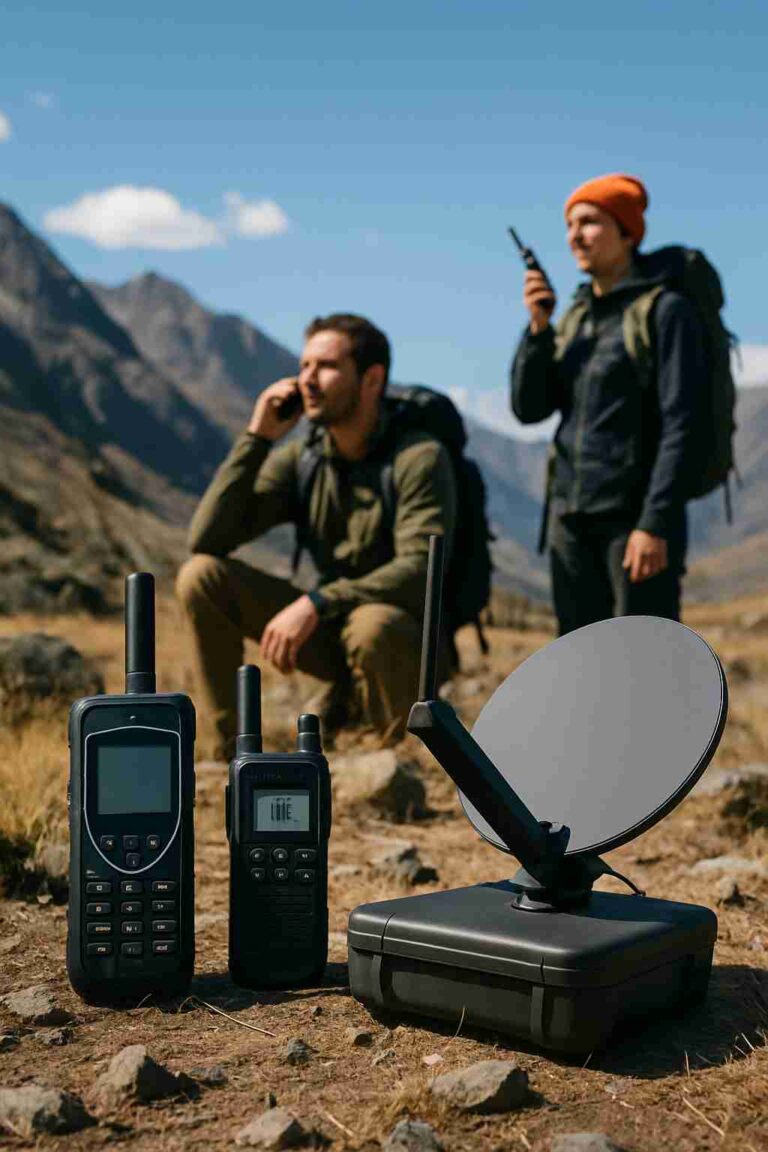

Meshtastic is revolutionizing off-grid communication with low-power, long-range mesh networking devices ideal for situations lacking traditional infrastructure. This article explores the best Meshtastic devices available, their applications in home and outdoor environments, and how they empower users to maintain seamless connectivity where internet access is limited or nonexistent.
Understanding Meshtastic Technology and Its Unique Advantages
Among the diverse hardware supporting meshtastic, several standout devices have established themselves as dependable choices for users needing robust off-grid communication. These devices typically build upon ESP32 or nRF52840 development boards, known for their efficient integration of LoRa and Bluetooth Low Energy (BLE) communications. The combination allows for seamless connection to mobile apps and strong mesh networking, enhancing usability for both home setups and outdoor adventures.
One popular category includes ESP32-based boards equipped with built-in LoRa transceivers and GNSS receivers. Their appeal lies in the balance between affordability, power efficiency, and versatility. Many of these devices feature customizable firmware, making them well-suited for expanding mesh networks across challenging terrains or remote areas. Thanks to their BLE capabilities, users can easily configure and monitor devices from smartphones, enabling real-time communication without needing internet infrastructure.
On the other hand, nRF52840-based devices bring added power efficiency and extended battery life, critical for long excursions or emergency kits. These boards often boast strong build quality and improved range performance, thanks to refined antenna designs and lower-power-consumption components. This makes them attractive options for hiking, camping, or backup home networks where dependable connectivity cannot be compromised.
Commercially available mesh kits also offer ready-to-use solutions. They bundle all necessary hardware and pre-flashed firmware for quick deployment, ideal for new users or those needing reliable mesh nodes without extensive setup. Some kits include rugged cases or extended battery packs, addressing the practical challenges of outdoor use.
Emerging devices in this ecosystem focus on refining range, optimizing power use, or integrating additional sensors for environmental monitoring. These innovations hold promise for expanding mesh functionality, particularly for community safety or resilient home network designs.
Across this hardware spectrum, features like ease of mobile app connectivity, long-range capability, durable builds, and cost-effectiveness consistently rank as top criteria, ensuring users have a suitable device to maintain communication wherever cellular networks fall short. The ongoing development within this open platform continues to widen choices, catering to both technically savvy users and newcomers alike.
Top Meshtastic Devices for Exceptional Off-Grid Connectivity
Among the leading meshtastic devices powering meshtastic networks, those built around the ESP32 and nRF52840 development boards stand out due to their balanced integration of LoRa, Bluetooth Low Energy (BLE), and GNSS functionality. These boards combine low power consumption with reliable long-range communication, making them popular choices for both outdoor adventurers and users seeking resilient home network backups.
The ESP32-based devices offer a compelling mix of processing power and flexibility. They typically come with integrated BLE for seamless mobile app connectivity, enabling users to configure and monitor settings effortlessly through smartphones. This native BLE support streamlines the user experience, avoiding the need for external modules or additional setups. ESP32 boards paired with LoRa modules often achieve communication ranges up to several kilometers in optimal open environments, which suits remote hiking trips, off-grid camping, or large property coverage. Additionally, many come equipped with GPS receivers, allowing location tracking and position sharing that enhances safety and situational awareness.
On the other hand, nRF52840-based devices bring their strengths to meshtastic deployments. Known for ultra-low power consumption and robust Bluetooth 5.0 capabilities, these boards extend battery life and support reliable mesh networking over BLE alongside LoRa long-range links. Their solid build quality and efficient power management make them excellent candidates for wearables or compact nodes that need to last for days in remote settings. Integrating GNSS functionality is increasingly common here, allowing precise geolocation features that outdoor enthusiasts value.
Several commercial kits bundle these hardware elements into ready-to-use solutions. These kits often include weatherproof enclosures, rechargeable batteries, and antennas optimized for various use cases. Their cost-effectiveness and ease of deployment appeal to users who prefer a plug-and-play approach over DIY assembly. New entrants to this ecosystem are introducing devices that improve mesh scalability and message throughput, addressing some of the inherent limitations of technology constraints. For example, upcoming boards focus on enhancing multiplexing or integrating solar charging to extend operational duration beyond traditional batteries.
Collectively, these devices demonstrate the maturing landscape of meshtastic hardware — blending proven chipsets with practical features to serve homes, outdoor adventures, and emergency communications alike. Careful selection based on power needs, connectivity preferences, and deployment environment ensures that users can maximize the benefits of this open-source mesh framework.
How to Choose and Optimize Meshtastic Devices for Your Specific Needs
When choosing the ideal meshtastic devices, the key is to align your selection with specific communication needs and environmental conditions. Start by considering the size of the network you plan to establish. Smaller setups, like a few nodes for short-range hiking trips or home backups, require less powerful devices with modest battery life and simpler firmware. Larger meshes covering rugged terrains or extensive outdoor events demand hardware with enhanced line-of-sight capabilities, stronger antennas, and robust power management to maintain reliable signals across greater distances.
Terrain and obstacles profoundly influence device performance. Dense forests, mountainous regions, or urban environments with thick walls may require placing nodes at elevated or open locations to avoid blocking signals. Devices featuring adjustable antenna options or the ability to connect external antennas provide valuable flexibility in overcoming these challenges. When setting up your mesh, think strategically about node placement to maximize coverage while minimizing dead zones. Spacing nodes roughly within their effective range and ensuring clear paths between them is crucial for efficient data relay and network speed.
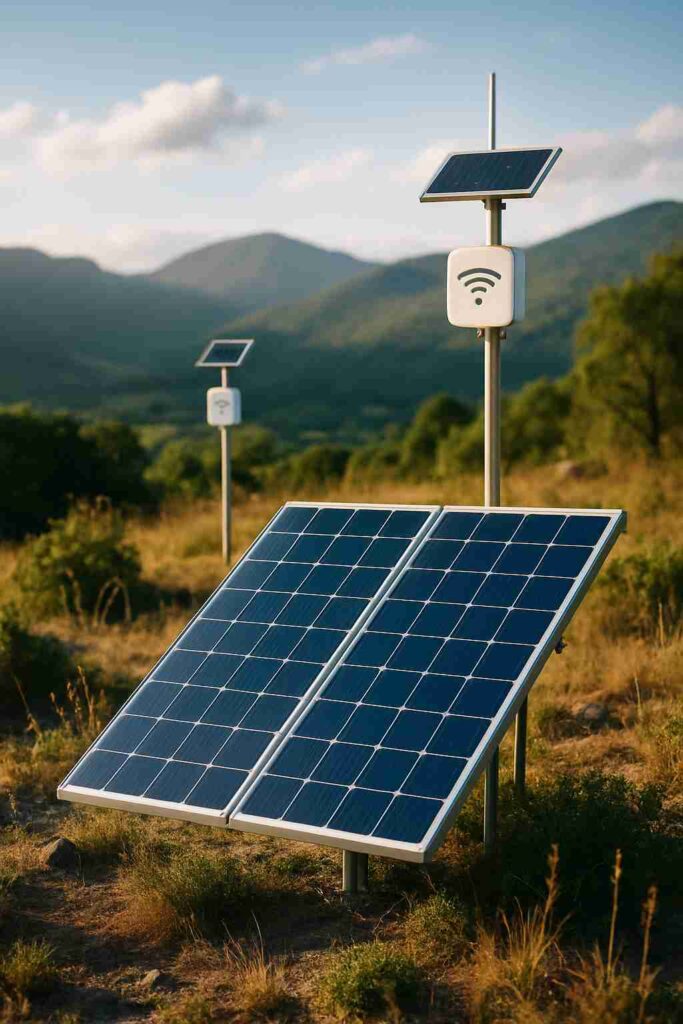
Power management cannot be overlooked. For extended outdoor adventures, devices with low power consumption and options for solar or external battery packs will ensure longer operation without frequent recharging. Indoor use often allows for plug-in solutions, reducing the emphasis on battery life but calling for devices with stable, noise-resistant transmissions.
Integration with existing communication tools adds significant value. Choose devices supporting Bluetooth or other wireless protocols if you need to connect smartphones, GPS units, or other sensors. Firmware plays a vital role in network scalability; some versions are optimized to manage higher traffic loads, making them ideal for large groups or events. Opt for devices supported by active development communities and consistent firmware updates. This ongoing support ensures your system adapts to technology advances, fixes bugs, and improves security over time.
Ultimately, successful meshtastic setup involves thoughtful selection, careful node placement, and managing the nuances of your environment and usage to build a resilient, efficient mesh network.
Conclusions
Meshtastic devices provide a powerful and versatile solution for reliable communication in off-grid and challenging environments. By understanding the technology, exploring the best hardware options, and applying thoughtful setup strategies, users can confidently build resilient mesh networks for both home use and adventurous outdoor exploration. Embracing Meshtastic’s innovative approach ensures that connectivity remains accessible, making communication safer and more dependable wherever you go.